
Cultivating
Sustainable Futures
 News
News
Calls for expressions of interest for service providers
In the context of the implementation of its programmes, COLEACP has developed a large network of experts rigorously selected through tendering procedures. COLEACP regularly publishes contract notices requesting service providers to express their interest in the form of an online application file. Service providers are advised to regularly consult this page to check current Calls for Expression of Interest (CEI)Below are the current Calls for Expression of Interest (CEI): AO 201164 - Support services for the communication and visibility of COLEACP’s programmes and the association’s members and partners: Development, support, and front-end and/or back-end maintenance of websites and platforms (post date 19/08/2020) - EXPRESSION OF INTEREST AO 201153 - Support for the development of training and monitoring tools in areas related to sanitary and phytosanitary quality, sustainable production systems and responsible social practices (post date 29/04/2020) - SHORTLIST AO 201147 - Support to the COLEACP team for the implementation and monitoring of COLEACP programme activities in Ghana - NOTIFIED AO 191135 - Communication support services and visibility of COLEACP and its programmes - Production of Information and Communication material Photos and/or Videos and/or Audio-visual animations - NOTIFIED AO 191134 - Analytical and technical information support services in crop production and crop protection to facilitate compliance of the ACP horticultural industry with the requirements of domestic and international markets - NOTIFIED AO 191132 - Support to the COLEACP team for the implementation and monitoring of COLEACP programme activities in Guinea (Conakry) - NOTIFIED AO 191131 - Support to the COLEACP team for the implementation and monitoring of COLEACP programme activities in Madagascar - NOTIFIED AO 191130 - Support to the COLEACP team for the implementation and monitoring of COLEACP programme activities in Sierra Leone - CANCELLED (Post date 05/11/2019 - unsuccessful procedure) AO 191129 - Support to the COLEACP team for the implementation and monitoring of COLEACP programme activities in Benin and Togo - NOTIFIED AO 191128 - Support to the COLEACP team for the implementation and monitoring of COLEACP programme activities in Côte d’Ivoire - NOTIFIED AO 191127 - Support to the COLEACP team for the implementation and monitoring of COLEACP programme activities in Suriname - NOTIFIED AO 191126 - Support to the COLEACP team for the implementation and monitoring of COLEACP programme activities in Brukina Faso and Mali - NOTIFIED AO 191125 - Support to the COLEACP team for the implementation and monitoring of COLEACP programme activities in Cameroon - NOTIFIED
 News
News
Important information on EU MRL changes
This news provides updates on recent changes to EU Maximum Residue Limits (MRLs) for plant protection products (PPPs). Where an MRL has been lowered, it is important for any grower using the PPP to make any necessary adjustments in good time to ensure continued compliance with EU regulations. This may mean adapting production practices (GAP) or using alternative control methods.It also includes a complete list of the MRL changes introduced so far in 2020, and changes applicable in 2021.If you require additional information, or face particular problems as a result of these changes, please contact COLEACP at: network@coleacp.org (link sends e-mail) Lowering of MRLs of chlorpyrifos and chlorpyrifos-methyl The approval in the EU of chlorpyrifos and chlorpyrifos-methyl expired on 16 February 2020. As a result, all EU MRLs for these PPPs will be set at the limit of determination (LOD) 0.01 mg/kg.This change was published in Regulation (EC) 2020/1085 on 24 July 2020, with a Corrigendum on 30 July 2020. The new MRLs for chlorpyrifos and chlorpyrifos-methyl will come into force on 13 November 2020; this means, in effect, that they can no longer be used after this date.Operators in ACP countries that use these PPPs must take note of the change, and ensure that they find alternative control methods in good time. If you require further information, please contact COLEACP at: network@coleacp.org (link sends e-mail). Change of MRLs for chlorate Chlorates are banned in the EU and all authorizations for PPPs containing them have been withdrawn since 2009 (Decision 2008/865/EC). This means that no MRL was set, so the default MRL of 0.01 mg/kg was applicable in all food and feed.However, the European Commission (EC) realized that this MRL was problematic as chlorate residues can also be present due to the use of chlorine-based disinfectants in food processing, or its presence in potable water used for product washing or processing. EFSA recognized that it is currently not possible, despite the application of good practice, to achieve residue levels of chlorate that comply with the default MRL of 0.01 mg/kg.On June 8 2020, the EC published an amendment to the regulations to set MRLs for chlorate taking these uses into account. For the full list of MRLs, please see the Annex to Regulation (EU) 2020/749. These MRLs apply from June 28 2020.Note that in case of an MRL exceedance, the grower / processor will be asked to provide evidence that the residues arose as a result of processes used (e.g. use of potable washing water) and not from the use of PPPs. New MRL changes applicable from July 2020 On June 19 2020, the EC published a regulation setting higher MRLs for cyantraniliprole, cyazofamid, cyprodinil, fenpyroximate, fludioxonil, fluxapyroxad, imazalil, isofetamid, kresoxim-methyl, lufenuron, mandipropamid, propamocarb, pyraclostrobin, pyriofenone, pyriproxyfen and spinetoram. These new MRLs are applicable from July 9 2020.To see details on all changes, please consult the full text here. MRL changes affecting key horticultural export crops in ACP countries are presented in Table 1, here. New MRL changes becoming applicable in 2021 On June 2020, the European Commission published 2 regulations setting new MRLs and applicable in 2021: COMMISSION REGULATION (EU) 2020/770 OF 8 JUNE 2020 AMENDING ANNEXES II AND III TO REGULATION (EC) NO 396/2005 OF THE EUROPEAN PARLIAMENT AND OF THE COUNCIL AS REGARDS MAXIMUM RESIDUE LEVELS FOR MYCLOBUTANIL, NAPROPAMIDE AND SINTOFEN IN OR ON CERTAIN PRODUCTS COMMISSION REGULATION (EU) 2020/785 OF 9 JUNE 2020 AMENDING ANNEXES II AND III TO REGULATION (EC) NO 396/2005 OF THE EUROPEAN PARLIAMENT AND OF THE COUNCIL AS REGARDS MAXIMUM RESIDUE LEVELS FOR CHROMAFENOZIDE, FLUOMETURON, PENCYCURON, SEDAXANE, TAU-FLUVALINATE AND TRIAZOXIDE IN OR ON CERTAIN PRODUCTS Changes affecting the PPP myclobutanil for key ACP export crops are presented in Table 2, here. For details on the other active substances, please use the above links to access the regulations. ALL MRLS CHANGES INTRODUCED TO-DATE IN 2020 Table 3, here, presents a review of EU-MRL changes since the beginning of 2020. If you require additional information, or face particular problems as a result of these changes, please contact COLEACP at: network@coleacp.org
 News
News
West African mango on the European market: towards a very positive 2020
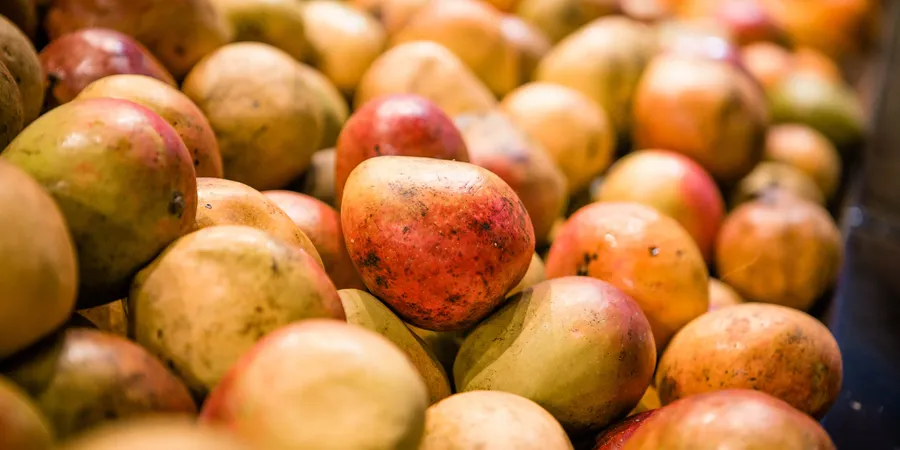
On a demanding European market affected since March by COVID-19, following Côte d’Ivoire at the beginning of the campaign, Mali and Senegal also show very encouraging results, reflecting the efforts of the entire sector. In recent years, there have been numerous and recurrent interceptions of mangoes imported into Europe due to the presence of fruit fly. With the European Union’s revision of its phytosanitary regulations, a new European directive came into force on 1 September 2019, imposing additional requirements on all countries exporting mangoes to the EU. As part of the intra-ACP Fit For Market SPS programme, funded under the 11th European Development Fund, COLEACP is supporting ACP and particularly West African National Plant Protection Organisations (NPPOs) in complying with these stricter phytosanitary measures. It is the responsibility of the NPPOs to respond to the phytosanitary regulations by drawing up and submitting to the EU a national action plan to limit the phytosanitary risk linked to the import of mangoes into the EU, prior to any mango exports.COLEACP’s activities since the announcement of this new regulation have been numerous and ongoing: the stakes were high since without a national response to the EU regulation, no mangoes from third countries in general, and from West Africa in particular, could have been exported to the EU during the 2020 campaign. The socio-economic impact of a halt to mango exports would have been extremely negative on the thousands of workers involved in the West African sector – mainly young and female – as well as on producers, since production relies on numerous small-scale orchards.COLEACP quickly informed ACP stakeholders and partners of the new regulations and their possible impacts on the value chains. Specific support was then provided: development of technical support, training of local experts, and assistance to national working groups bringing together public and private stakeholders to develop, validate and implement national strategies for surveillance, control and management of fruit flies, summarised in the form of dossiers to be sent to the EU for validation.This sustained effort by all parties involved has paid off. A first success was the validation by the EU of the mango dossiers from Burkina Faso, Côte d’Ivoire, Gambia, Guinea, Mali and Senegal, presenting the national system approach adopted to reduce the presence of fruit fly on mangoes exported to the EU.Only one lot intercepted during the Mali campaign One example of success is the historically low number of interceptions of Malian mango lots in Europe during the 2020 campaign: only one lot was intercepted. This represents a remarkable improvement compared with previous years. We would like to congratulate all our partners in Mali for this success: the National Directorate of Agriculture, the National Plant Protection Organisation, the Interprofession de la filière mangue du Mali, along with the entire private sector, local experts, and other programmes that have contributed to this result. More than 12,500 tonnes were exported from Mali this year, including nearly 3,000 tonnes by road.Our support to the relevant authorities will continue to maintain this situation and support them in the face of new challenges they may face in the future.Like Mali, Côte d’Ivoire had very few fruit fly-related notifications on entry to the EU market: only four compared with 15 last year.In Senegal, the initial signs are also positive in terms of the quality of products that have been marketed in the EU: the campaign is currently ongoing, and there have so far been no interceptions linked to fruit flies.Following on from the successful beginning of the campaign in April by Côte d’Ivoire, and the quality of West African mango this year, recognised by buyers as a very sweet, fragrant mango with a nice exterior colour and uniform at maturity, the 2020 assessment looks very positive.These results are due to the efforts of the European and African private sector working together with the competent national authorities, mobilised this year particularly around the control of quality throughout the sector, and of successful operational agility in the global context of COVID-19.A promotional film we made before the campaign, in December 2019 – West African mango, together for a sustainable sector – was a good omen!
 News
News
Digital training on identification and management of false codling moth
COLEACP’s digital training on the identification and management of false codling moth began in Sierra Leone in late June 2020, for participants from both the public sector (NPPO inspectors) and private sector (horticultural producers and exporters). In the first virtual meeting, trainer Mr Samuel Muchemi explained the digital training, and participants introduced themselves and asked questions.
 News
News
Virtual meeting between COLEACP and the East African Farmers Federation
Virtual meeting between the COLEACP 's team and the East African Farmers Federation (EAFF), represented by Mr Kubai Robert. The meeting was to finalize an MoU focused on the support to small scale farmers in the avocado value chain in Kenya, building on the EAFF network.
 News
News
Fit for Market programme in action at INSTAVEG Ltd
COLEACP’s Fit For Market programme is partnering with INSTAVEG Ltd in Embu, Kenya. Discussions are ongoing with managing director Ashibon Mwangi and his team to update their business plan in response to recent market evolutions and anticipate further investments in human resources, certification schemes and strategic infrastructure. INSTAVEG is currently working with 300 smallholder farmers to supply the Kenyan domestic market and European export market with high-quality, traceable and certified fresh vegetables.
 News
News
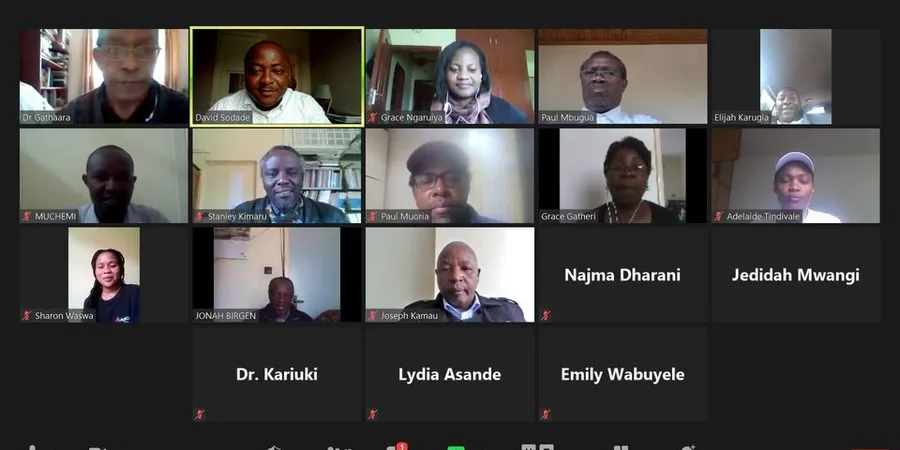
Virtual meeting between COLEACP and Kenyatta University
Virtual meeting between COLEACP’s team and the Plant Science Faculty Members of Kenyatta University as part of Zoom session for the digital training “How to use Moodle for creating and animating an online training course”.
 News
News
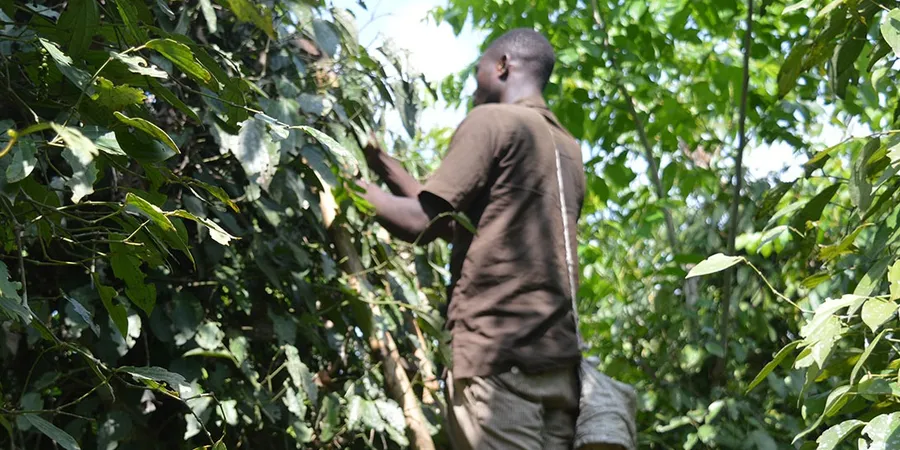
Dangote Farms Agronomists and Extension staff: digital training on crop protection and safe use of pesticides
As part of COLEACP fit for Market Programme, a digital training on crop protection and safe use of pesticides for Dangote Farms Agronomists and Extension staff currently conducted by #COLEACP Expert Olufolajimi Talabi. The staff in turn will use the knowledge and skill to build the capacity of more than 5000 local tomato farmers under the Dangote farms outgrowers scheme.
 News
News
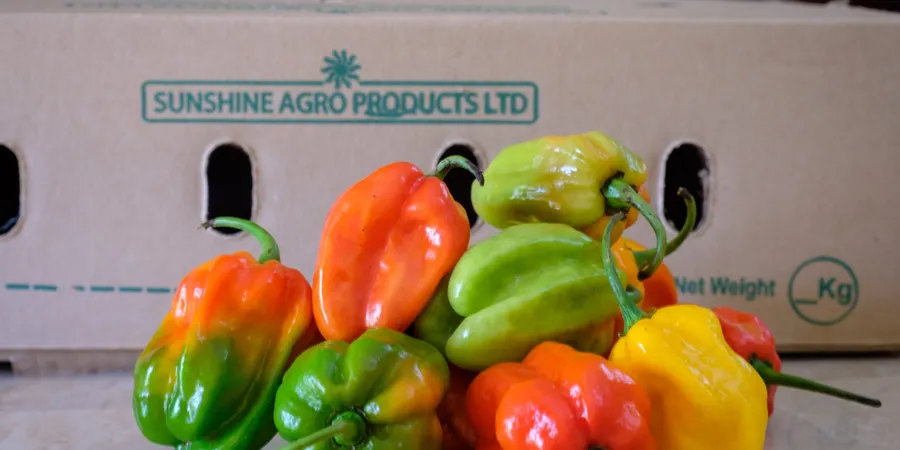
Update on plant health rules for fresh capsicum exported to the EU
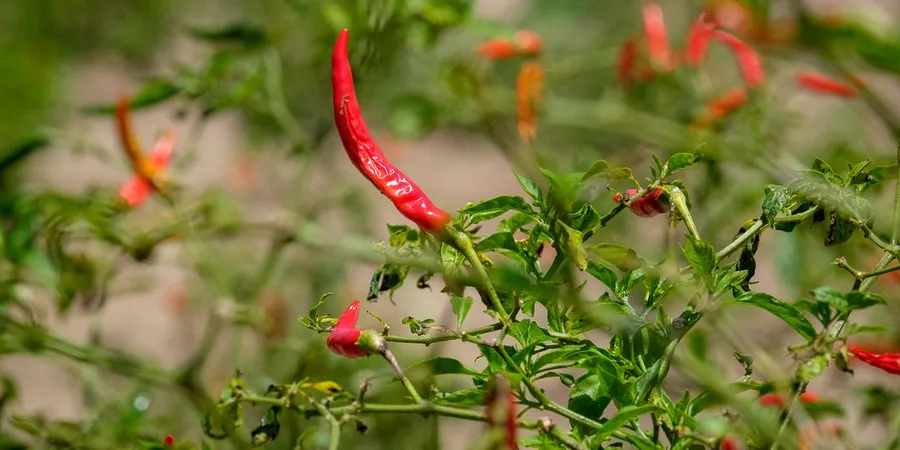
An update of COLEACP Guidelines on the Export of Capsicum from Africa, Madagascar, Cape Verde, and Mauritius has just been published.This guide explains clearly what needs to be done to ensure that capsicum exports are in compliance with EU phytosanitary requirements. It details the information to be provided, and actions to be taken, at all stages from production to export by producers and exporters, as well as by the national authorities and inspection services.The document has been updated to cover new information and regulatory amendments which are important to note. The main changes compared to earlier versions include: Text to be included in the “Addition Declarations” in the phytosanitary certificate Details on additional quarantine pests Information on how to add an annex to the phytosanitary certificate The document is divided into two parts. Part One provides details of the special measures required under the regulations for priority quarantine pests on capsicum including false codling moth (Thaumatotibia leucotreta), tomato fruit borer (Neoleucinodes elegantalis) and fall armyworm (Spodoptera frugiperda). It describes the options that can be selected to ensure that exports are pest free, and gives a clear explanation on how to complete the phytosanitary certificate. Rules for these pests are strict and correct completion of the certificate is essential to avoid administrative problems and potential destruction of shipments at EU border controls.Part Two of the document is a guideline for preparing a dossier for submission to the EU on management of false codling moth on capsicum, according to Implementing Directive (EU) 2019/523. It gives a framework to guide the process of developing a national action plan and submitting a dossier to the EU, outlining the various elements that must be included.This publication is part of a collection of training tools, teaching aids and technical documents that are available online for COLEACP members.
 News
News
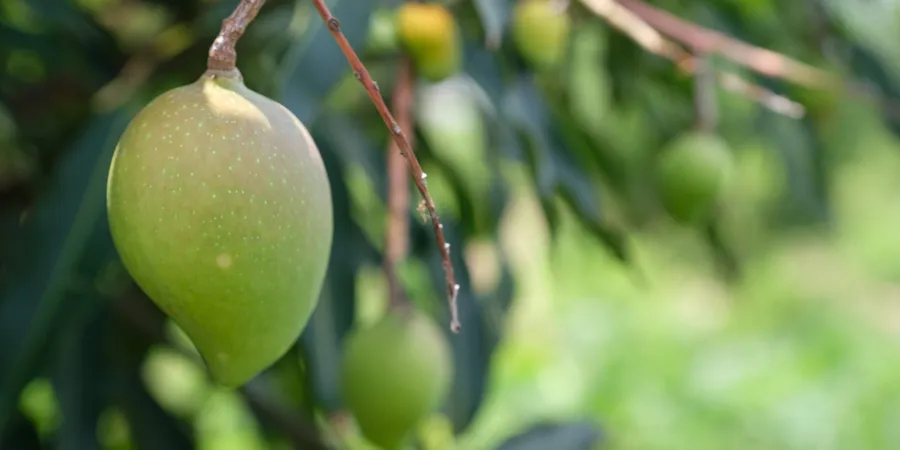
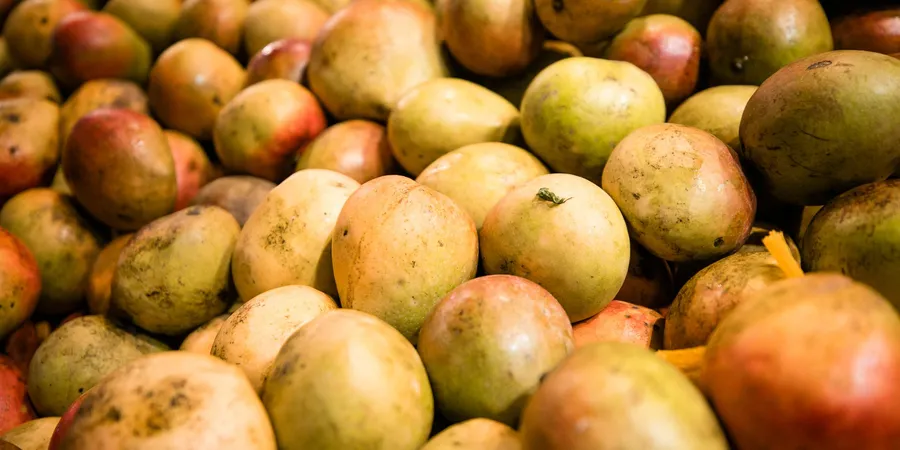
Update on plant health rules for fresh mango exported to the EU
An update of “COLEACP Guidelines on the Export of Mango to the European Union” has just been published.This guide provides a clear explanation of what needs to be done in order to ensure that Mango exports are in compliance with EU phytosanitary requirements related to non-European fruit fly (Tephritidae). It details the information to be provided, and actions to be taken, at all stages from production to export by producers and exporters, as well as by the national authorities and inspection services.The document has been updated to cover new information and regulatory amendments which are important to note. The main changes compared to earlier versions include: Text to be included in the “Addition Declarations” in the phytosanitary certificate Details on additional quarantine pests Information on how to add an annex to the phytosanitary certificate The document is divided into two parts. Part One provides details of the special measures required under the regulations for fruit fly on mango. It describes the options that can be selected to ensure that exports are pest free, and gives a clear explanation on how to complete the phytosanitary certificate. Rules for this pest are strict, and correct completion of the certificate is essential to avoid administrative problems and potential destruction of shipments at EU border controls.Part Two of the document is a guideline for preparing a dossier for submission to the EU on the management of fruit fly, according to Implementing Directive (EU) 2019/523. It gives a framework to guide the process of developing a national action plan and submitting a dossier to the EU, outlining the various elements that must be included.The guide has been prepared by COLEACP within the framework of the Fit For Market SPS programme. The elements it contains are not exhaustive or exclusive, and may or may not be relevant, depending on the situation in each country. The content of each national action plan, and any dossier submitted to the EU, remain the sole responsibility of the NPPO and industry stakeholders in the countries concerned. References and links are given to the regulations and international standards (ISPMs) that NPPOs must adhere to. The contents of this publication are the sole responsibility of COLEACP and can in no way be taken to reflect the official views of the European Union.This publication is part of a collection of COLEACP training tools, teaching aids and technical documents that are available online for COLEACP members.
 News
News
West African mango blockchain – Making supply chains more resilient
COLEACP has been working with Société Internationale d’Importation (SIIM) and Belgian start-up BlockO to develop MangoBlockchain, currently in beta version – a tool that is especially relevant in the context of the COVID-19 pandemic, where the resilience of supply chains depends on trust and transparency (Commodafrica, 19 May). A first for the region, MangoBlockchain will contribute to the professionalisation of the West African mango sector, which in recent years has experienced too many interceptions on arrival on the European market. For example, mangoes in the SIIM supply chain in Côte d’Ivoire are individually labelled with a QR code. When scanned by a consumer’s smartphone, the producer’s name, harvest date, packing date and date of entry into the EU are displayed in a supply chain interface. This information is extracted automatically from SIIM’s information systems and stored in the blockchain. The objective for the importer is to be able to provide information to distributors, but also to ensure that it reaches consumers without alteration. The current beta test, in the middle of the mango campaign, will evaluate the added value of the blockchain as a B2B (importers-distributors) and B2C (distributors/importers-consumers) communication tool.Vincent Omer-Decugis, Managing Director of SIIM and COLEACP Board member, spoke to Commodafrica (19 May) about the impact of COVID-19 on mango consumption in Europe. The majority of exotic fruit products, including mango, have returned to sustained consumption rates. The period of lockdown has led to a shift in consumption patterns, with the closure of hotels, restaurants and open-air markets, and the development of purchasing volumes from mass retail chains and specialised distribution networks. Regarding the scarcity experienced in the early days of restrictive measures, all it takes is for 10% of consumers to buy 20% more of what they are used to buying to create an effect of scarcity. The company has had to reduce its product range as some products were in danger of no longer finding their market, and were also directly affected by supply difficulties.Air traffic has almost come to a standstill, as exports by air largely use the freight capacity offered by passenger aircraft. However, some passenger aircraft have been transformed into cargo aircraft. With Air France, SIIM was able to transport 400 tonnes of mangoes by plane from Côte d’Ivoire to Europe in April. There are additional costs, but the reduced transport time of air transport enables a top-of-the-range product. Most of the market (over 97%) is supplied by sea freight, with the fruit transported in containers, then ripened in its destination market for an optimal quality/price ratio. The first shipments by sea started at the beginning of April with mangoes from Burkina Faso, and the campaign will run until the end of July with mangoes from Senegal. The impact of COVID-19 has been neutral for shipments from West Africa as far as the consumer is concerned. Production involves social distancing measures in production units and means of transport, and management of travel when curfews are introduced. But production units already had hygiene measures in place, handwashing has always been mandatory, and personnel wear the necessary masks, hats and personal protective equipment, so at that level, everything was already in place.SIIM has worked with the various governments, with the ministries of agriculture and transport, to get the necessary exemptions to set up green corridors to move food products for export, which are absolutely necessary for the local economy. It is estimated that 1,000 tonnes of mangoes exported generate 1,000 direct jobs and another 1,000 indirect jobs.
 News
News
New collaboration with TAHA, NM-AIST and WORLDVEG
This new collaboration will establish an accredited #Horticultural Practical Training Programme offering certificate and diploma courses in Tanzania and other countries in Eastern and Southern Africa. The Memorandum of Understanding was signed by the Tanzania Horticultural Association (TAHA), the Nelson Mandela African Institution of Science and Technology (NM-AIST), the World Vegetable Center (WorldVeg), and COLEACP.