
Cultivating
Sustainable Futures
 News
News
Strategic partnership with RUFORUM (175 universities, 40 countries) to support entrepreneurship in Africa
COLEAD and the Regional Universities Forum for Capacity Building in Agriculture (RUFORUM) signed a memorandum of understanding (MoU) on 21 April 2026, marking a new step in their collaboration. This five-year partnership aims to support innovation, entrepreneurship and skills development in Africa’s agrifood sector.RUFORUM, which brings together 175 universities across 40 African countries, works to strengthen capacities in agricultural innovation and agribusiness. This collaboration seeks to better connect research, skills development, entrepreneurship support and market-oriented initiatives.The MoU provides a framework for joint projects and resource mobilisation. It focuses on developing agripreneurship, improving market access for young entrepreneurs, promoting research valorisation, and strengthening skills through training and e-learning programmes.The partnership also covers key areas such as start-up incubation, digital agriculture, sustainable value chain development, and the inclusion of youth and women.Aligned with the Sustainable Development Goals and the African Union’s Agenda 2063, this collaboration paves the way for concrete actions to support agrifood innovation ecosystems across Africa.This activity is supported by the Fit For Market Plus (FFM+) programme, implemented by COLEAD within the Framework of Development Cooperation between the Organisation of African, Caribbean and Pacific States (OACPS) and the European Union. This publication receives financial support from the European Union and the OACPS. The content of this publication is the sole responsibility of COLEAD and can in no way be taken to reflect the views of the European Union or the OACPS.
 News
News
Structuring and strengthening a supply chain with outgrowers: example of support to Smart foods in Grenada
As part of the COLEAD Fit For Market Plus (FFM+) programme, technical assistance was recently provided to SMART FOODS Caribbean to design and initiate the implementation of a structured support programme for its supplying farmers in Grenada.The intervention aimed to develop a comprehensive and practical operational framework enabling the company to secure a reliable supply of high-quality raw materials, while building sustainable and mutually beneficial relationships with local producers. It resulted in the development of a full set of tools covering farmer identification, assessment, monitoring systems and contractual arrangements.A field mission enabled direct engagement with farmers, testing of the proposed tools in real conditions, and strengthening of the SMART FOODS team’s capacities. This phase led to a complete implementation package, complemented by a detailed action plan translating strategic recommendations into concrete steps.Building on this momentum, the company has already initiated follow-up actions. Engagement is ongoing with producers in Grenada as well as in neighbouring islands such as Tobago and Saint Lucia, where interest in the programme is strong. At the same time, discussions with potential buyers, particularly in Trinidad and Tobago, are helping to clarify market demand and guide production planning.To meet its supply objectives, SMART FOODS estimates that several thousand passion fruit vines will need to be established. Securing financing for key investments — particularly farm infrastructure — is now a priority, alongside further refining the technical and operational model.The next phase of support will focus on strengthening the financial dimension of the programme, including economic viability, pricing structures and investment planning. These elements will be critical to ensure the long-term sustainability and scalability of the initiative.This activity is supported by the Fit For Market Plus (FFM+) programme, implemented by COLEAD within the Framework of Development Cooperation between the Organisation of African, Caribbean and Pacific States (OACPS) and the European Union. This publication receives financial support from the European Union and the OACPS. The content of this publication is the sole responsibility of COLEAD and can in no way be taken to reflect the views of the European Union or the OACPS.
 News
News
Seafood 2026 in Barcelona: engaging with key sector stakeholders
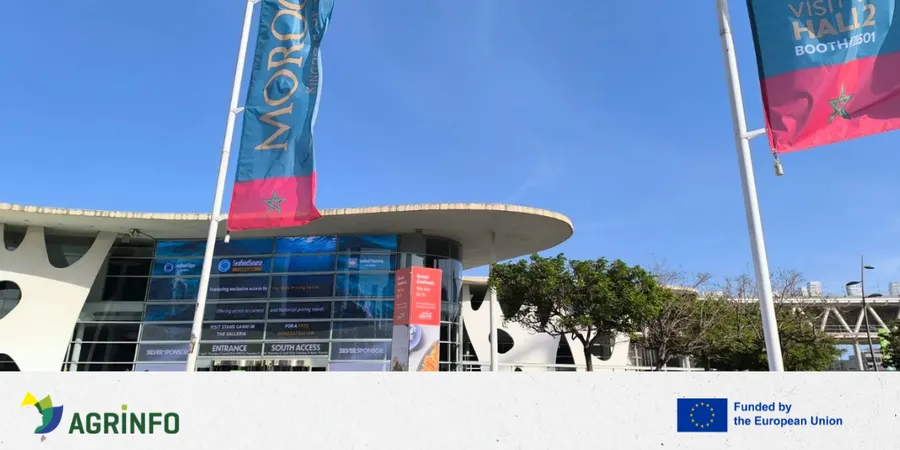
COLEAD recently participated, through the AGRINFO programme, in Seafood Expo Global (SEG26) in Barcelona, the world’s largest trade event dedicated to seafood. This flagship event brings together the full spectrum of stakeholders across the fisheries and aquaculture value chain — companies, exporters, buyers, institutions and professional organizations’.This was an important opportunity to further strengthen the programme’s network with key players in the seafood sector. Meetings were held with exporters, competent authorities, and export promotion bodies, as well as European institutions such as the Market Observatory for Fisheries and Aquaculture Products (EUMOFA) and standards bodies.The AGRINFO programme provides clear, reliable and practical information on EU regulatory developments to support partner countries in accessing the European Union market. In addition to discussions around the programme, exchanges in Barcelona also helped prepare upcoming awareness-raising activities, including webinars on the TRACES system.Participation in the Expo also helped identify opportunities for collaboration with European public and private stakeholders engaged in the sustainable development of agrifood value chains, particularly in the aquaculture sector. This is fully aligned with the priorities of the European Union’s Global Gateway initiative, which seeks to strengthen the involvement of the European private sector in impactful international partnerships.COLEAD will continue to build on these relationships, both within Europe and in partner countries, to enhance the dissemination of regulatory information, and facilitate the sustainable and competitive integration of sector stakeholders into international markets.This activity is supported by the AGRINFO programme, implemented by COLEAD and funded by the European Union (EU). This publication receives financial support from the European Union. The content of this publication is the sole responsibility of COLEAD and can in no way be taken to reflect the views of the European Union.
 News
News
Strengthening Thanthwe farms’ marketing positioning (Malawi): targeted support to drive strategic growth
As part of its continued support to agribusinesses, COLEAD, through the FFM+ programme, provided follow-up technical assistance to Thanthwe Farms Ltd (Malawi), building on a previous intervention focused on market intelligence and strategic guidance.In 2025, the initial phase identified key areas for improvement to enhance the company’s competitiveness in national, regional and international markets. Priorities included strengthening brand positioning, improving marketing visibility, and developing more structured commercial tools, particularly for regional markets such as South Africa, Zambia and Mozambique.From strategy to actionThis new assignment aimed to translate these recommendations into concrete actions by equipping Thanthwe with practical tools and a coherent marketing framework. The support combined field visits, stakeholder consultations, digital audits and collaborative working sessions with the company’s team.The intervention focused on three main areas:Brand positioning and storytelling: development of a clear brand identity, including a structured value proposition and messaging aligned with the ambition to position Thanthwe as a premium, artisanal and responsible Malawian brand.Digital presence and communication: a comprehensive audit of the digital ecosystem, complemented by an editorial guide and ready-to-use content examples to strengthen the consistency and impact of online communication.Commercial visibility and buyer engagement tools: development of structured commercial materials (brochures, product sheets, sales arguments) to support participation in trade fairs, strengthen relationships with distributors and improve follow-up with prospects.Tangible resultsThis support helped strengthen the company’s marketing foundations:A clear and consistent brand identityPractical tools ready for immediate useMore coherent communicationImproved capacity to engage with regional buyersThe approach combined strategic guidance with practical deliverables, enabling the company to implement its marketing actions autonomously.What’s next?While this intervention marks an important milestone, implementation will be key. Priorities moving forward include phasing marketing actions in line with internal capacities, strengthening digital activities through a realistic content strategy, adapting messaging to target markets, and further building internal capabilities.This support represents a significant step in Thanthwe Farms’ ambition to become a competitive regional player, capable of positioning Malawian products in high-value market segments across Africa and beyond.This activity is supported by the Fit For Market Plus (FFM+) programme, implemented by COLEAD within the Framework of Development Cooperation between the Organisation of African, Caribbean and Pacific States (OACPS) and the European Union. This publication receives financial support from the European Union and the OACPS. The content of this publication is the sole responsibility of COLEAD and can in no way be taken to reflect the views of the European Union or the OACPS.
 News
News
Sustainable Production for Resilient and Inclusive New Generations: official launch of the SPRING programme in the Gambia
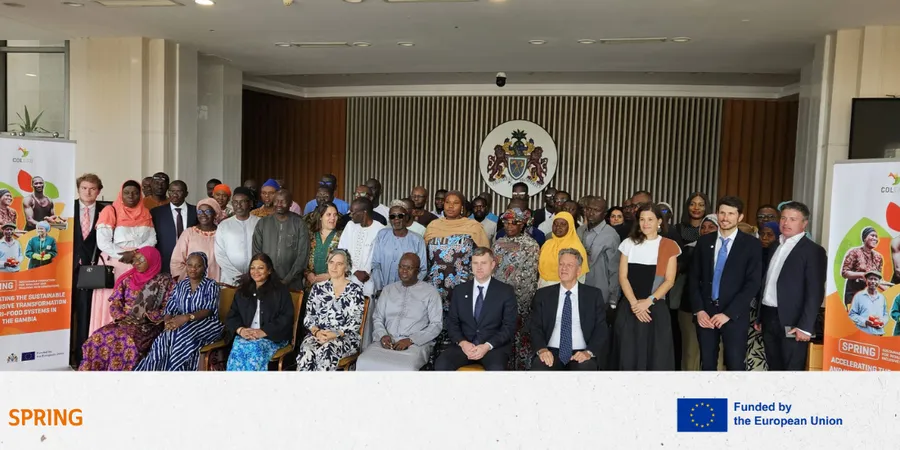
The SPRING programme was officially launched on Tuesday 14 April at the Sir Dawda Kairaba Jawara International Conference Center (SDKJ-ICC) in The Gambia.Funded by the European Union, the programme aims to strengthen the contribution of The Gambia’s horticulture sector to economic growth, food security, food safety and nutrition. It is built on a resilient, inclusive, market-oriented and people-centred agroecological transition, with particular attention to women, youth and marginalised groups.More specifically, SPRING aims to:Increase investment, productivity, incomes and employment opportunities in targeted horticultural value chainsImprove plant health, food safety, quality management and sustainable agroecological practices among producers and processorsStrengthen diversified, nutrition-sensitive horticultural value chains based on agroecological approachesThe programme is already generating strong interest among local stakeholders, as reflected in the first expressions of interest and requests for support received by COLEAD from private sector actors and professional organisations. This momentum confirms the relevance of the SPRING programme in supporting inclusive and sustainable growth of the horticulture sector in The Gambia.For more information or to submit a request for support, please contact COLEAD.This activity is supported by the "Sustainable Production for Resilient and Inclusive New Generations" (SPRING) programme, funded by the European Union and implemented by COLEAD. This communication has been produced with the financial support of the EU. Its content is the sole responsibility of COLEAD and can in no way be taken to reflect the views of the EU.
 News
News
Côte d’Ivoire – PASA Programme: strengthening food safety and the competitiveness of horticulture and artisanal fisheries value chains
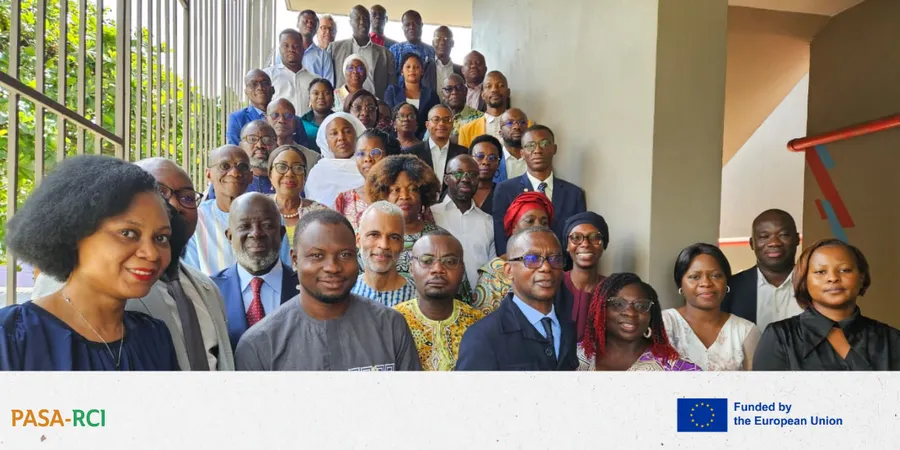
The European Union Delegation in Côte d’Ivoire has entrusted COLEAD with the implementation of the Food Safety Support Programme (PASA Côte d’Ivoire). With a duration of four years, the programme aims to strengthen the contribution of the agri-food sector to economic growth, food security, and sustainable development by improving the competitiveness, resilience, inclusiveness, and sustainability of value chains.The programme primarily targets the horticulture and artisanal fisheries sectors, with support focused on strengthening stakeholders’ capacities in sanitary and phytosanitary (SPS) quality management, as well as helping them adapt to evolving market requirements.The technical launch workshop was held on 26 March 2026 in Abidjan, bringing together COLEAD, the European Union Delegation, and around fifty stakeholders from public institutions, professional organisations, and the private sector. It provided an opportunity to present the programme’s objectives, expected results, and implementation modalities, while laying the foundations for collaboration with beneficiaries.Several activities are already underway, including the development of market profiles for the targeted value chains, the design of a sustainable model for strengthening SPS-related skills and technologies, and the adaptation of COLEAD’s sustainability self-assessment tool (SAE) to artisanal fisheries.Further actions are in preparation, including the implementation of SPS diagnostics using COLEAD’s R-SAT tool and pilot testing of innovative solutions tailored to the targeted value chains.To date, around 15 requests for support have been received. These will be assessed through field missions from mid-May, with a view to signing development projects with beneficiary partners.This activity is implemented by COLEAD and supported by the Food Safety Support Programme for the Republic of Côte d’Ivoire (PASA-Côte d’Ivoire), funded by the European Union through the EU Delegation in Côte d’Ivoire. This communication has been produced with the financial support of the EU. Its contents are the sole responsibility of COLEAD and can in no way be taken to reflect the views of the EU.
 News
News
Dominican Republic: strengthening the sanitary framework to support agri-food safety and trade
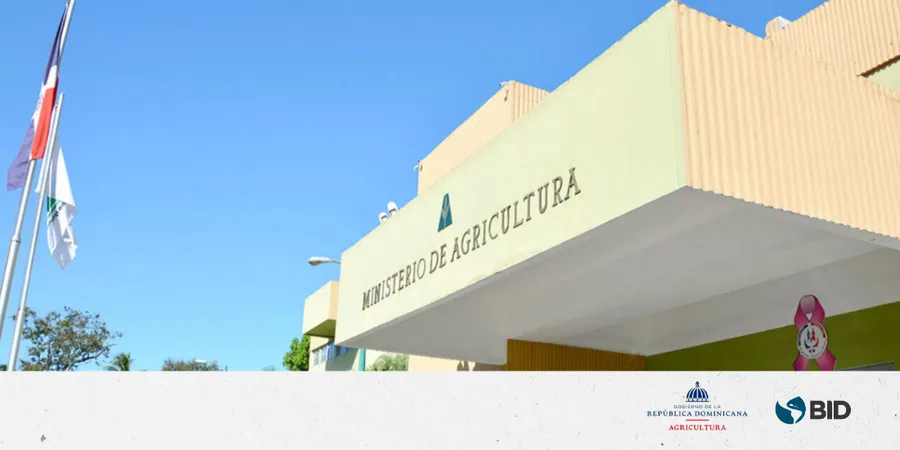
As part of the Sanidad e Innovación Agropecuaria (SIA) project, funded by the Inter-American Development Bank (IDB) for the benefit of the Ministry of Agriculture of the Dominican Republic, COLEAD has supported the development of a comprehensive set of legislative and strategic documents aimed at modernising the country’s sanitary and phytosanitary (SPS) system.This work includes a new sanitary law, its implementing regulations, and a national SPS policy. Together, these instruments are designed to establish a legal and institutional framework adapted to current food safety challenges, while enhancing the competitiveness and international trade potential of Dominican agricultural products.These documents are fully aligned with the One Health approach, which seeks to better integrate human, animal, and environmental health. This integrated perspective contributes to the prevention of zoonotic diseases, the improvement of food safety, and the protection of ecosystems.The main outputs were presented between March and April 2026 to key public and private sector stakeholders, including the Association of Industries of the Dominican Republic (AIRD), the Dominican Exporters Association (ADOEXPO), and the National Competitiveness Council (CNC). These presentations helped strengthen stakeholder ownership and engagement around the proposed reforms.In parallel, the documents are currently being used as a foundation for a national food safety working group convened this month by the government, with the objective of updating and strengthening the national agri-food system.Produced between November 2024 and the end of 2025, these deliverables are the result of an extensive participatory process. The sanitary law and its three main regulations were developed and validated through a series of SWOT workshops and consultations involving public authorities, notably the Ministry of Agriculture, as well as private sector representatives. The SPS policy was developed in close collaboration with the National SPS Committee, following a similar approach.In addition, six complementary technical regulations are currently being finalised and are expected to be completed by June 2026. The national policy is also supported by three dedicated three-year action plans, one for each sanitary domain, to ensure its effective and phased implementation.Once adopted and implemented, the sanitary law and the SPS policy are intended to serve as national references, providing a comprehensive legal and regulatory framework for both public and private stakeholders in the agri-food sector.This activity is supported by the SIA project (Sanidad e Innovación Agropecuaria), implemented by COLEAD on behalf of the Ministry of Agriculture of the Dominican Republic and financed by the Inter-American Development Bank (IDB) under loan no. BID-4909/OC-DR. This publication has been produced with the financial support of the IDB. The contents are the sole responsibility of COLEAD and in no way reflect the views of the Dominican Ministry of Agriculture or the IDB.
 News
News
Ethiopia: a key milestone reached with the completion of the horticultural sector bottleneck study under the MAHEBER programme
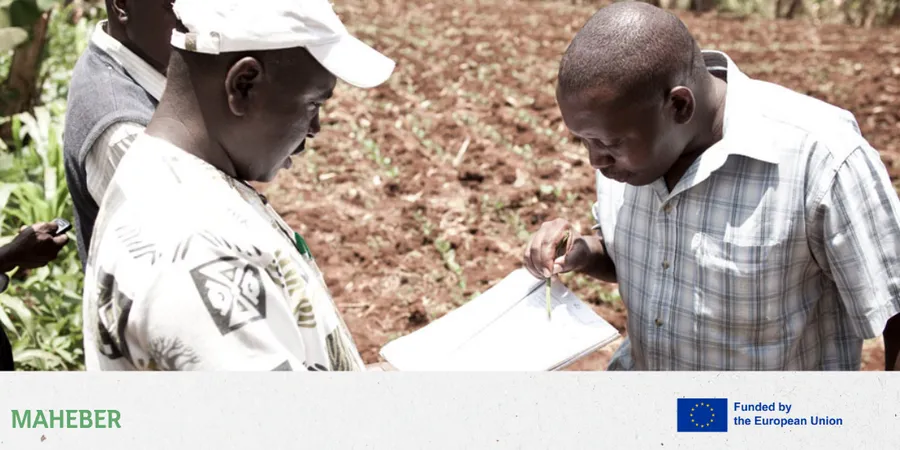
The MAHEBER programme has reached a major milestone in its ambition to transform Ethiopia’s horticultural sector with the completion of a comprehensive study identifying the structural constraints limiting its development. Launched in September 2025, the study provides an in-depth analysis of Ethiopia’s horticultural value chain. It adopts a systemic approach, covering the entire ecosystem — from production to market access — to better understand the dynamics shaping the sector’s performance.The analysis examines the policy and regulatory environment, the roles and interactions of public and private stakeholders, and the practical conditions affecting production, processing, and trade. It also takes into account rapidly evolving global trends, including stricter food safety and phytosanitary requirements, environmental and organic certification standards, shifting buyer expectations, and increasing competition from other exporting countries.Logistics challenges were a central focus, highlighting persistent constraints such as high air freight costs, limited cargo flight availability, long transit times, and tax-related barriers.To ensure a strong grounding in sector realities, the study draws on a wide range of sources, including institutional data, industry publications, contributions from the Ethiopian Horticulture Producer Exporters Association (EHPEA), insights from EU-funded programmes, and direct engagement with sector stakeholders. Interviews, focus group discussions, and consultations enabled the integration of perspectives from across the industry.This process led to the identification of ten critical bottlenecks affecting the sector’s competitiveness. These include limited access to high-quality and disease-free planting material, shortages of skilled technical labour, insufficient packhouse and cold chain infrastructure, a lack of accredited laboratory services, and gaps in export benchmarking practices. The study also highlights broader systemic issues, such as reactive marketing approaches among some exporters, delays in product registration processes, the circulation of counterfeit agricultural inputs, and ongoing challenges in accessing finance and foreign exchange.Beyond diagnosis, the study underscores the need for stronger coordination across the entire ecosystem. It calls for enhanced collaboration between businesses, regulatory authorities, logistics providers, retailers, and producers, including smallholder farmers. It also emphasizes the importance of developing a coordinated promotion strategy, both at national level — particularly in terms of branding and positioning — and at enterprise level, with targeted support for micro, small, and medium-sized enterprises.A consultation and validation workshop held on 26 February 2026 provided an opportunity to refine the analysis, foster in-depth dialogue among technical partners, and jointly validate the findings with both public and private stakeholders.The study was officially presented during the Hortiflora fair on 25 March 2026, in the presence of the Ethiopian Agricultural Authority (EAA), EHPEA, development partners, and key sector stakeholders. It is now entering its final publication phase and will soon be widely shared.More than a report, this study provides a strategic foundation to guide future investments, reforms, and partnerships. It marks the starting point of a broader transformation process aimed at unlocking the full potential of Ethiopia’s horticultural sector under the MAHEBER programme.This activity is implemented by COLEAD and supported by the MAHEBER Program (Mobilizing Actors in Horticulture for Entrepreneurship and Boosting Ethiopian Resilience), funded by the European Union through the EU Delegation in Ethiopia. This communication has been produced with the financial support of the EU. Its contents are the sole responsibility of COLEAD and can in no way be taken to reflect the views of the EU.
 News
News
Engaging with CSAF investors: understanding fruit and vegetable value chains through the example of avocado in East Africa
On 26 March 2026, COLEAD organised, under the FFM+ programme, a 1.5-hour technical webinar in collaboration with the Council on Smallholder Agricultural Finance (CSAF), the leading network of impact investors financing agri-SMEs.Entitled “demystifying fruit & vegetable value chains for impact investors”, the session used the avocado value chain in East Africa to provide a concrete illustration of sector realities. The objective was to explain the specific risks associated with fruit and vegetable value chains, translate technical challenges into investment-relevant insights, and demonstrate how COLEAD can support investors in mitigating these risks.The session mobilised internal expertise, particularly from the Access to Finance, Market Insights and Technical Assistance teams, to deliver a structured and practical approach.The webinar brought together 35 participants from CSAF member organisations, including impact investors and financial institutions. Engagement was strong throughout the session, with very positive feedback on the clarity and relevance of the content.This initiative also showcased a new way of structuring and sharing COLEAD’s expertise, by anchoring it in a specific value chain and directly linking it to investment decision-making. It contributes to broadening COLEAD’s positioning beyond its recognised role in food quality and safety, towards areas such as value chain analysis, risk assessment and management, market intelligence, and operational business support.Several opportunities for collaboration with investors have already emerged following the webinar.Next steps will focus on initiating pilot actions with CSAF members and structuring replicable collaboration mechanisms with other financing stakeholders.This activity is supported by the Fit For Market Plus (FFM+) programme, implemented by COLEAD within the Framework of Development Cooperation between the Organisation of African, Caribbean and Pacific States (OACPS) and the European Union. This publication receives financial support from the European Union and the OACPS. The content of this publication is the sole responsibility of COLEAD and can in no way be taken to reflect the views of the European Union or the OACPS.
 News
News
Debrief session on the bottlenecks study for Malawi’s horticultural sector: three interdependent action areas identified
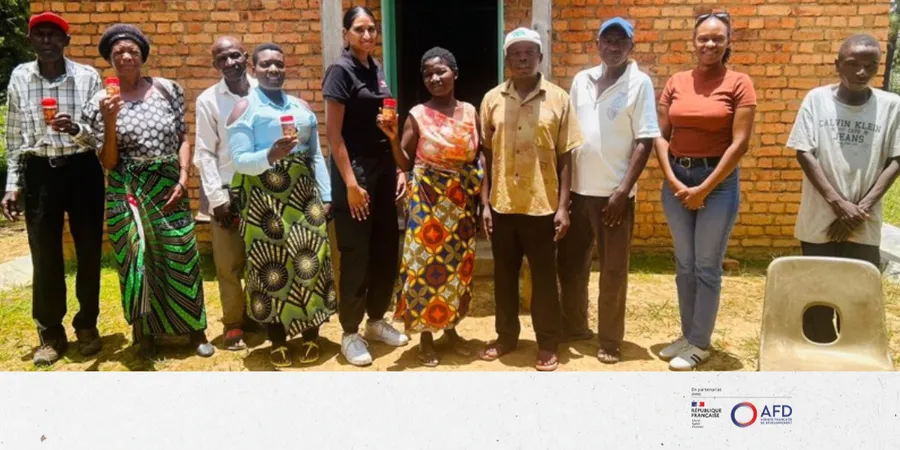
On 23 April, a debrief session was held as part of the PRCC programme (Programme de renforcement des capacités commerciales), implemented by COLEAD and funded by the French Development Agency (AFD). The session brought together 29 stakeholders from both public and private sector organisations.The objective of the meeting was to present and discuss the findings of the bottlenecks study conducted for Malawi’s horticultural sector. Developed through a participatory approach, the study aimed to identify and prioritise the main constraints hindering the sector’s development, particularly in relation to access to European markets.The findings highlighted key challenges structured around three complementary levels:The structural environment (policies, macroeconomic framework, infrastructure)Key constraints include forex instability, a policy orientation heavily focused on maize, and a persistent gap between policy design and implementation. While these challenges are partly beyond the programme’s direct scope, they significantly affect the private sector and underline the need for de-risking mechanisms.The intermediate level (coordination, aggregation, finance)Major challenges relate to fragmented governance, weak aggregation systems and post-harvest infrastructure, and misaligned financial services. Limited aggregation capacity — including insufficient packhouses, collection systems, cold chain, and logistics — continues to constrain the link between dispersed producers and market requirements.The enterprise level (capabilities, quality, practices)Identified constraints include limited business planning, high post-harvest losses, and weak quality management systems. These factors reinforce one another, reducing product competitiveness and limiting incentives for quality improvement.Based on these findings, initial action orientations were proposed, structured around three complementary areas:system level: strengthening coordination mechanisms, improving irrigation infrastructure, and developing tailored financial instruments;value chain level: promoting effective aggregation models, developing clusters, and strengthening market linkages, particularly for export;enterprise level: supporting the development of processing capacity, improving quality management systems, and strengthening business practices.These areas are interdependent and should be implemented in a coordinated manner to effectively address the identified constraints.The session concluded with an interactive discussion, allowing participants to validate the analysis, enrich the proposed directions, and highlight additional priorities. This meeting represents an important first step towards the co-construction of a sector action plan aligned with field realities and stakeholder needs.COLEAD thanks all participants for the quality of their contributions and their engagement.This activity is supported by the PRCC (Trade Capacity Building Programme), implemented by COLEAD, with financial support from the French Republic through the French Development Agency (AFD). This communication has been produced with the financial support of AFD. Its content is the sole responsibility of COLEAD and can in no way be taken to reflect the position of AFD.
 News
News
Senegal – mango sector: a training cycle to strengthen phytosanitary surveillance ahead of the 2026 campaign
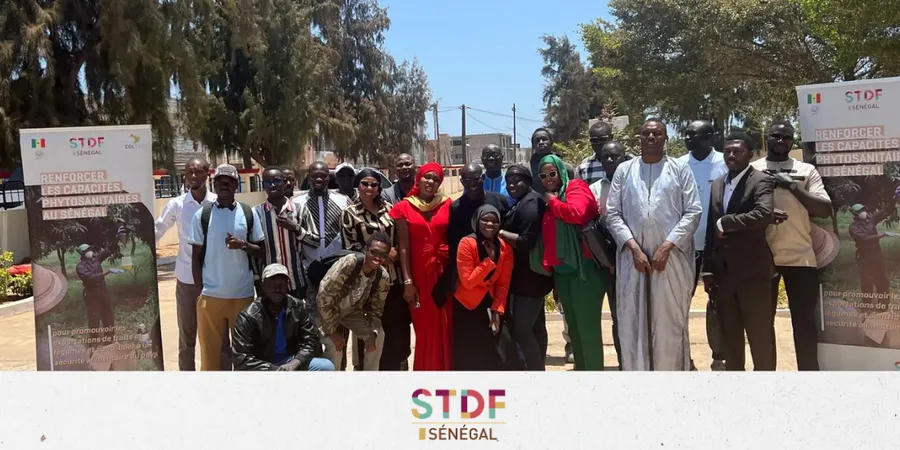
As part of the STDF/PG/946 project, COLEAD, in collaboration with the Plant Protection Directorate (DPV) and the Senegal Mango Interprofessional Association (IPMS), is rolling out in April 2026 a cycle of three training sessions focused on the surveillance of mango pests, with particular emphasis on fruit flies. These trainings are co-funded by the PRCC programme – phase 2, illustrating the complementarity of COLEAD’s interventions.Fruit flies represent a major phytosanitary risk for exports to the European Union. Insufficient surveillance can lead to export interceptions, with significant economic impacts. The training cycle therefore aims to harmonise practices between public and private actors, improve the reliability of collected data, and strengthen the responsiveness of alert systems.The sessions target technical managers and monitoring agents from IPMS member companies, as well as DPV staff involved in phytosanitary surveillance. Each session brings together 20 to 30 participants directly engaged in monitoring export orchards.Organised over three days, the trainings combine theoretical inputs (biology and species identification, regulatory requirements), practical work (trapping, field data collection, data analysis), and assessments, with a strong focus on hands-on learning and experience sharing. By the end of the cycle, participants are able to analyse surveillance data, produce harmonised alert bulletins, and improve communication with the DPV, contributing to better anticipation of phytosanitary risks.This cycle represents a first step in a broader support programme. Additional training sessions are planned in 2026, covering topics such as harvest and post-harvest quality, internal control systems, integrated fruit fly management, and inspection and certification procedures.All these actions aim to sustainably strengthen stakeholders’ capacities and support the preparation of the 2026 mango campaign, while enhancing the competitiveness of Senegal’s mango sector on international markets.The “STDF/PG/946 ” project is funded by the WTO’s Standards and Trade Development Facility (STDF) at the request of the Senegalese Ministry of Agriculture, Rural Development and Food Sovereignty’s (MAERSA) Directorate of Plant Protection. This activity is also supported by the Trade Capacity Building Program (TCBP), implemented by COLEAD, with financial support from the French Republic through the French Development Agency (AFD). This communication has been produced with the financial support of AFD. Its content is the sole responsibility of COLEAD and can in no way be taken to reflect the position of AFD.
 News
News
Collecting and structuring data to meet sustainability reporting requirements: the example of LECOFRUIT in Madagascar
As part of the Fit for Market Plus programme, post-training support was provided to the Malagasy company LECOFRUIT, following the collective training “optimising data collection and management to strengthen organisational performance”.This support aimed to help translate training outcomes into practice by strengthening the company’s data collection, management and analysis systems. The objective was to better structure internal information, particularly to meet growing sustainability and reporting requirements (GRI, EcoVadis).A structured and collaborative approachThe mission followed a progressive approach combining a review of the initial diagnostic, discussions with internal teams, and field visits to better understand existing practices.A cross-analysis was then carried out between international standards (GRI, EcoVadis) and data from COLEAD’s self-assessment system. This process made it possible to identify 11 key themes (water, energy, biodiversity, health and safety, supply chain, etc.) to structure data collection.Tangible resultsThe support made it possible to:Conduct a detailed assessment of existing practicesIdentify available data and gaps to be addressedHighlight discrepancies with international standardsPropose a prioritised action plan to improve data quality and reliabilityTowards more strategic reportingThis support represents an important step for LECOFRUIT in structuring its information system. It lays the foundation for more coherent reporting aligned with international standards, and strengthens the company’s ability to manage its performance and meet partners’ expectations.In the longer term, this approach will contribute to improving transparency, competitiveness and the sustainability of the company’s activities.This activity is supported by the Fit For Market Plus (FFM+) programme, implemented by COLEAD within the Framework of Development Cooperation between the Organisation of African, Caribbean and Pacific States (OACPS) and the European Union. This publication receives financial support from the European Union and the OACPS. The content of this publication is the sole responsibility of COLEAD and can in no way be taken to reflect the views of the European Union or the OACPS.