
Cultivating
Sustainable Futures
 News
News
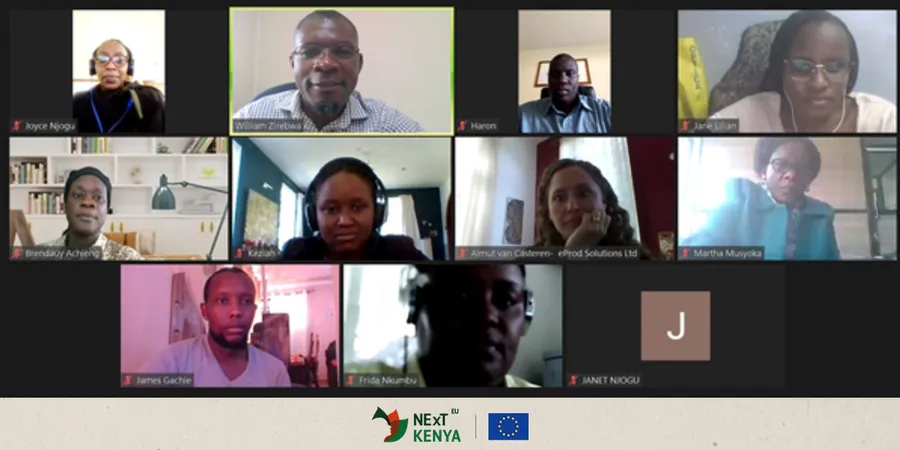
Remote training in HR Performance Management
In November 2021, when most Kenyan horticultural MSMEs were planning to conduct performance appraisals for their employees, training on Human Resources Performance Management was organised through the NExT Kenya programme to build the capacity of company directors, senior management staff, HR staff and mid-level managers responsible for conducting performance appraisals.Following the successful completion of the training and an impact evaluation, staff of Equator Kenya Limited who took part in the training described the impact on their current activities:"The company is working on aligning the company goals with the employees’ goals and setting clear deliverables. We have also onboarded a COO [Chief Operations Officer] to work on people management and communicate the vision for the company to the team, to ensure that everybody in the team understands the direction the company is growing into. We are also working on the job descriptions to ensure that we have SMART KPIs".This training is implemented by COLEACP through the NExT Kenya (New Export Trade) programme, established in collaboration with the EU Delegation in Kenya and Kenyan stakeholders.
 News
News
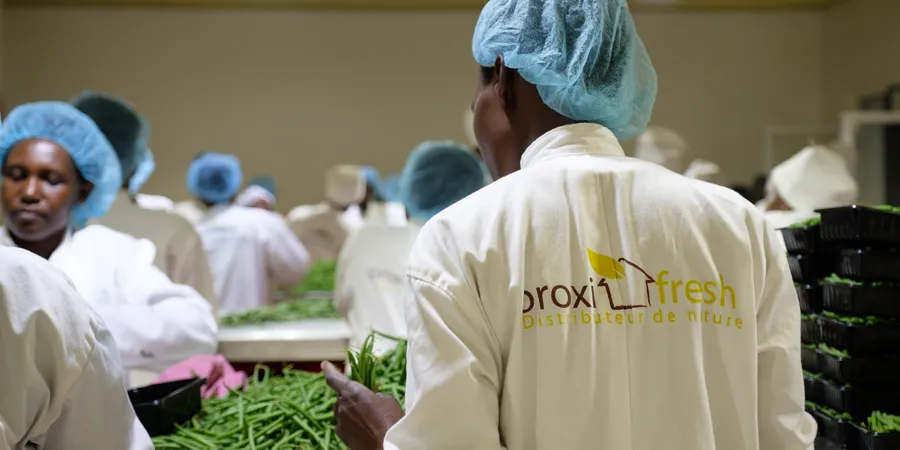
Proxifresh Rwanda obtient la certification GLOBALG.A.P.
En 2021, Proxifresh Rwanda a passé avec succès l'audit GLOBALG.A.P. et a reçu la certification. L'entreprise est spécialisée dans l'exportation de haricots verts, d'oignons de printemps et de pois mangetout du Rwanda, et avait atteint un volume total de 460 tonnes en 2021 malgré les défis logistiques rencontrés en raison de la crise mondiale de la Covid-19. Pour réaliser son ambition d'augmenter ses exportations et de répondre aux exigences du marché européen, l'un des principaux objectifs de l'entreprise pour 2021 était de faire certifier son système de gestion de la qualité (SGQ) par GLOBALG.A.P.Le soutien apporté par le programme Fit For Market comprenait l'organisation d'une évaluation de base du SMQ existant, la formation de l'équipe de gestion de la qualité et la fourniture d'une assistance technique pour la mise en œuvre des manuels de sécurité alimentaire et de traçabilité requis.Maintenant que l'ambition de GLOBALG.A.P. a été réalisée, Proxifresh se concentre en 2022 sur l'obtention de la certification SMETA, ainsi que sur l'élargissement de son portefeuille de produits haut de gamme et de son marché.Cette activité est soutenue par les programmes Fit For Market et Fit For Market SPS, mis en œuvre par le COLEACP dans le cadre de la coopération au développement entre l'Organisation des États d'Afrique, des Caraïbes et du Pacifique (OEACP) et l'Union européenne. Fit For Market est cofinancé par l'Agence française de développement (AFD).
 News
News
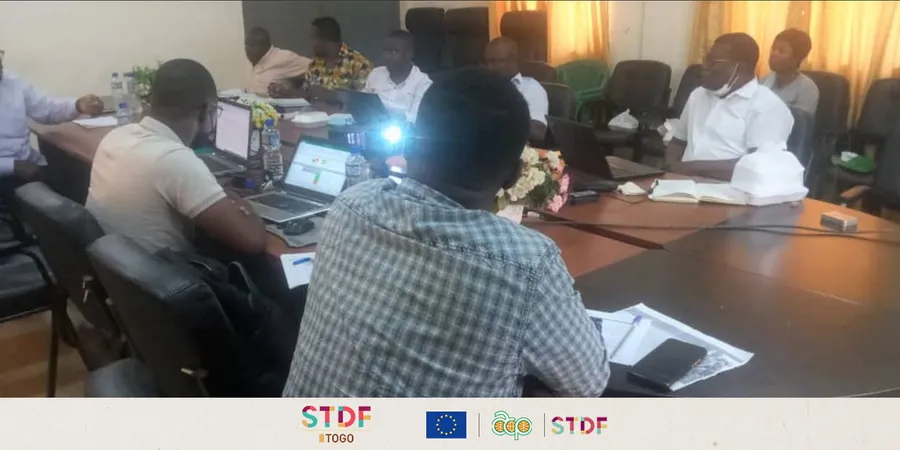
Togo: Workshop on analysis of survey data and hazards to inform the Good Practice Guide for leafy vegetables
A workshop on "Analysis of survey data and hazards" took place in February 2022 in Tsévié, in the premises of the Regional Directorate of Agriculture, Livestock and Rural Development. The workshop contributed to the development of a Good Practice Guide for leafy vegetables in Togo, and resulted in a draft guide that will be submitted to stakeholders for validation. It brought together the members of the Technical Working Group for the Good Practice Guide, made up of three COLEACP experts, representatives of professional organisations (Association des Producteurs, Transformateurs et Exportateurs de Légumes et Fruits du Togo – APROTELF, FENOMAT), public services (DPV, DFV, ICAT, ITRA) and companies.The new Good Practice Guide will help those working in vegetable production to produce leafy vegetables under better sanitary and phytosanitary (SPS) conditions, with optimal commercial quality of the product through the harmonisation of current specifications with international SPS standards, commercial quality criteria adopted by the markets, and the adoption of good agricultural practices, good phytosanitary practices and good hygiene practices based on the hazard analysis and critical control points (HACCP) approach.The Technical Working Group met to:review and correct production patterns, and validate the data collected in the fieldanalyse practices and identify possible hazards in the chain at each stage of the production and/or processing processdefine limit values for each hazardpropose realistic control measures to be implementedpropose "self-checks" to be carried out in the company and at sector levelverify the economic feasibility of the proposed measures for each main market identified (local, regional, international)analyse the shortcomings of local regulations in the face of international SPS requirements.This activity was organised within the framework of the Project for the Strengthening of the National Phytosanitary Control and Certification System for Fruits and Vegetables in Togo, funded by the Standards and Trade Development Facility (STDF) and implemented by COLEACP.
 News
News
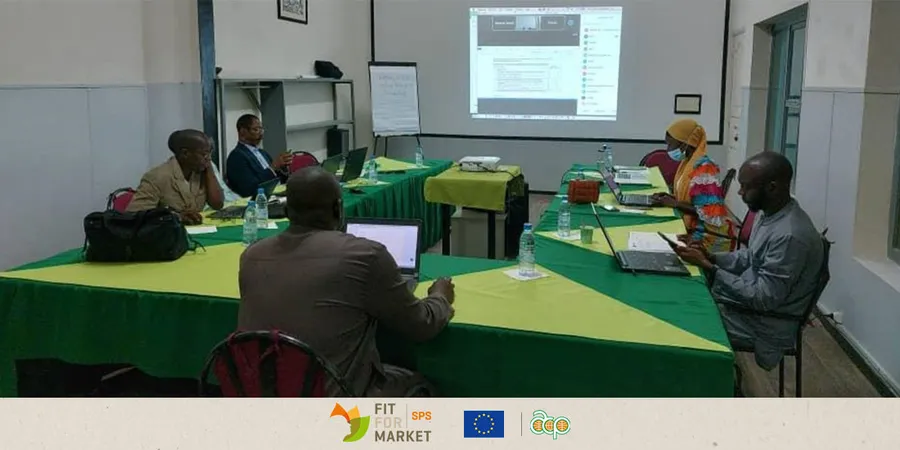
Senegal: Workshop on methodology for updating national lists of regulated pests
In March a hybrid workshop was held in Dakar. Experts and representatives of National Plant Protection Organisations (NPPOs) from Senegal and Guinea attended in person, while participants from Burkina Faso and Côte d'Ivoire took part remotely. The workshop aimed to:take stock of the situation in participating countries regarding the establishment and updating of their national lists of regulated pestspromote the sharing of experiences and good practices between experts and NPPO managers of the different countriesagree on a methodological and operational approach for establishing and updating national lists of regulated pests in line with International Standards for Phytosanitary Measures (ISPMs) and adapted to the specific context of ACP countriesprovide the essential elements for the development of a “Practical Guide for the Establishment and Maintenance of National Lists of Regulated Pests” for NPPOs in ACP countries, consistent with the Rapid SPS Assessment Tool (R-SAT) and other COLEACP tools related to SPS.Lists of regulated pests are central to the priorities of phytosanitary systems in order to set import requirements and protect territories from the introduction of pests. The International Plant Protection Convention (IPPC) requires contracting parties to establish, maintain and make available lists of regulated pests, to the best of their ability. ISPM 19, “Guidelines on lists of regulated pests” emphasises the importance of establishing, updating and communicating such lists.Although numerous publications exist on the subject, notably through the IPPC and ISPMs, it remains difficult for NPPOs in ACP countries to establish and update their lists of regulated pests on a regular basis, due to a lack of organisation and practical methodology.The workshop enabled participants to go beyond scientific, technical and financial considerations to identify the key success factors for establishing and updating ISPM-compliant national regulated pest lists in their countries. The information gained will inform COLEACP activities in collaboration with the IPPC and CABI, including the organisation of training for our ACP experts in the use of practical tools developed by CABI, for the benefit of partner NPPOs.This activity is supported by the Fit For Market SPS programme, implemented by COLEACP in the framework of the development cooperation between the Organisation of African, Caribbean and Pacific States (OACPS) and the European Union.
 News
News
Workshop to launch the project "Support to the agroecological transition of the pineapple sector in Benin”
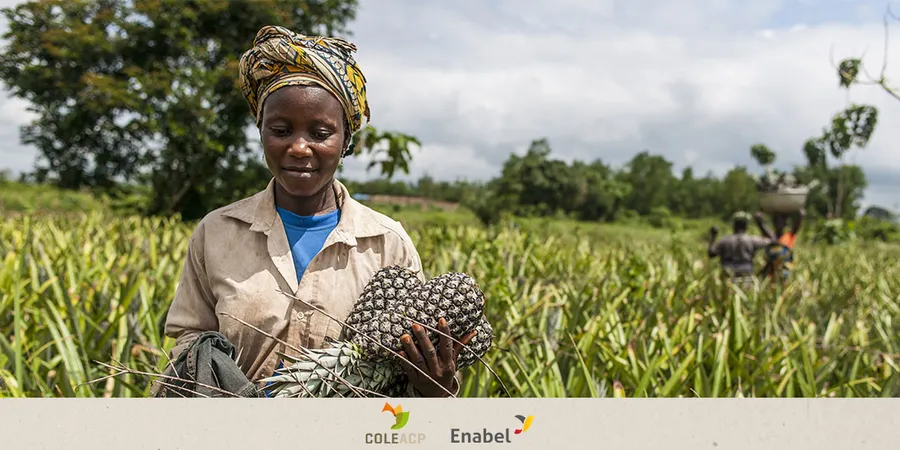
On 23 February, COLEACP organised a workshop in Cotonou to launch the project "Support to the agroecological transition of the pineapple sector in Benin", within the framework of the DEFIA Programme (Development of Entrepreneurship in the Pineapple Sector) managed and financed by Enabel, the Belgian development agency. This 18-month project aims to enable operators in the pineapple value chain in Benin to begin a gradual transition to agroecology, while meeting the requirements of local, regional and international markets. The workshop, which brought together some 60 actors from different entities (companies, producer groups, professional organisations, public services, support organisations, consulting firms, etc.), provided an opportunity to inform and raise awareness among participants about the basic principles and opportunities of agroecology.
 News
News
West Africa: Identifying and assessing mango waste
COLEACP Training Project Officer Sami Chauvet shares his experience of capacity building in waste reduction and valorisation using the example of the mango sector.Good waste management in the mango industry can lead to increased profits as well as the reduction of waste. This requires the identification of mango losses and waste by production and packing station managers. View the introductory video (in French) hereIn a typical training session, a team of local experts first provide distance learning on the design and use of waste-recording sheets. Then during the Mango campaign, they help the companies in recording and processing the data, and carry out research on the waste reduction and recovery opportunities for each company.The aim is to enable participants to: recognise the benefits of reducing and recovering mango waste identify the types of waste generated throughout the mango production chain, the causes and the critical stages assess the amount of waste generated using record sheets. The training finishes with a debriefing session with all the participating companies. During this final session, the country expert focuses on data recording and the waste reduction and recovery opportunities. Among the proposals for waste recovery, the experts may suggest the companies invest in the production of dried mango, biogas, animal feed or compost.The local debriefing session in Bamako, Mali.As a follow-up to this training, during the 2022 mango campaign we will continue to work with companies in Burkina Faso, Côte d’Ivoire, Mali and Senegal, and will offer support to companies that have completed the first stage in order to reduce their financial losses through waste reduction.
 News
News
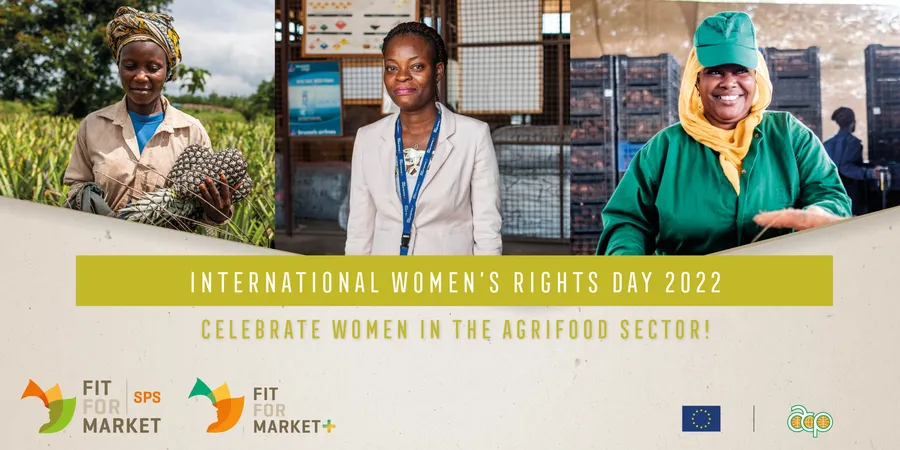
INTERNATIONAL WOMEN’S RIGHTS DAY 2022
Worldwide, about a third of established businesses are women owned and managed.1 Sub-Saharan Africa has of the highest rates of women’s entrepreneurs.2 Latin America and the Caribbean region show a high rate of women entrepreneurs involved in high-growth activity and manufacturing and transportation sector, half of them being under the age of 35.3 Women are a significant entrepreneurial force as owners of farms, input supply stores, service delivery businesses, and processing and export firms whose contributions to local, national, and global economies have significant impact on poverty-reduction, employment creation and wellbeing of rural communities and society at large.Women are the main drivers of the global food production4 but still face too many challenges in finding jobs in the formal economy or starting and developing businesses, due to insufficient conducive policies and norms, low rates of land ownership, as well as access and control over resources and limited access to credit.Gender equality and sustainability are intertwined, thus reducing the gender gap remains a key priority for effective change. Empowering women can have more direct positive impacts on the nutrition of their families. Women’s empowerment is a pathway by which nutrition sensitive programmes could improve children’s nutritional status. Empowering women benefits them, their families, and the overall economy.5Moreover, supporting women entrepreneurship across the value chain is one of the most powerful routes to promote agriculture, agribusiness and boost sustainable rural development. To respond to highly competitive markets in local, regional and export markets and capture gains in value-addition activities, women entrepreneurs need more training and skills in business management, marketing and digital skills along the value chain with an emphasis on growth sectors, green technologies and safe and sustainable farming and agro-processing practices.COLEACP with the Pan-African Farmers’ Organization (PAFO) and the Inter-American Institute for Cooperation on Agriculture (IICA)* support women entrepreneurship through farmers’ organisations, cooperatives, as well as micro, small and medium enterprises (MSMEs) respectively in Africa and in the Caribbean region to seize opportunities in new markets and to establish key partnerships to strengthen their competitiveness.Celebrate with COLEACP, PAFO and IICA amazing women entrepreneurs and their success stories!Below a snapshot of some amazing women entrepreneurs featured in our Innovations and Caribbean Agrifood Business sessions*.You want to join our coming sessions and work with us? Contact us at: entrepreneursacp@coleacp.org.*The PAFO-COLEACP Innovations Sessions and the IICA-COLEACP Caribbean Agrifood Business Sessions respectively focus on innovations and successes of African and Caribbean farmer-led businesses and SMEs. These activities are supported by the Fit For Market SPS and Fit For Market Plus programmes, implemented by COLEACP within the Framework of Development Cooperation between the Organisation of African, Caribbean and Pacific States (OACPS) and the European Union.1 GEM. Women’s Entrepreneurship 2020/21: Thriving Through Crisis. 2021, page 15. 2 Ibid., page 19. 3 Ibid., page 18 and 68. 4 UNDP, Gender And Climate Change - Gender, climate change and food security, 2016. 5 GAIN. Empowering women throughout the food supply chain, 2020. Adama Mbaye, CEO, BAONANE, Senegal, offers a range of baobab-based products such as fruit pulp, powder, leaves, seeds and baobab oil, as well as hibiscus flowers, local cereals, poultry and livestock feed. Baonane supports a fair, social and sustainable agriculture to contribute to the development of the agricultural and agri-food sector by producing high-quality (organic) products and ensuring food safety. Affiong Williams, CEO, Reelfruit, Nigeria, creates new value chains by processing fresh fruit in value-added convenient products, like snacks, and by building its own network for distribution. The processed mangoes, pineapples, coconuts, bananas and plantains are distributed in local and export markets, including through Amazon. Alice Riouall, Founder & CEO, Mango So, Burkina Faso, processes fresh mango and coconut into organic and Fairtrade-certified dried mango and coconut chips, which are mainly exported to international markets, mostly to France and Germany. Mango-So constantly anticipates and develops products adapted to specific markets, such as mango jam and mango sirop for the local market. Awa Caba, Co-Founder & CEO, Soreetul, Senegal, has developed the first Senegalese digital platform that sells more than 400 processed agricultural products and cosmetics from 10 different categories (such as cereals, juices and teas). Soreetul is strongly committed to women’s empowerment and promoting business initiatives. Bertille Guèdègbé Marcos, Founder & CEO, Les Jus Tillou, Benin, created in 2000 a family business producing fresh pineapples and processing them into organic juice and dried fruit. These quality products from an environmentally friendly agriculture are exported to Europe. With the recent acquisition of a packaging facility, pineapple juice will also be supplied to the local market. Bonolo Monthe, Co-Founder & Managing Director, Maungo Craft, Botswana, upcycles indigenous fruit (orphan crops) such as morula, that would otherwise be wasted, to produce jams, sauces and syrups. The company works closely with farmers, cosmetic processors and local communities, creating new value chains between those actors and promoting the growth of their industries at the same time. Catherine Krobo Edusei, Founder & Managing Director, Eden Tree Limited, Ghana, promotes healthy eating habits since 2016 when she launched her company. Eden Tree Limited produces, adds value, packages and markets high-end fresh vegetables, fruit and herbs, as well as convenient food, which are exported within West Africa. Danielle Thomson, Founder & CEO, THERAPY, Jamaica, produces balanced, nutrient-rich, vegan, sugar-free and preservative-free products, made from local organic fruit and vegetables grown by a network of Jamaican organic farmers. THERAPY supports organic farmers and sustainable farming, as well as raises awareness on the importance of growing organically and maintaining seasonal supply of the products. Diana Persaud, Co-Founder & Managing Director, Arya’s Fresh Cut, Guyana, has established an organic farm based on the “farm to doorstep” concept which ensures food safety and quality. Arya’s Fresh Cut is Guyana’s first online store with a wide produce range of fresh fruit and vegetables. Elmine Kouyaté, Founder & Managing Director, Axxiom, Côte d’Ivoire, is involved in the entire mushroom value chain. Axxiom produces fresh mushrooms (mainly of the oyster variety) and processes them into dried mushrooms, prepared meals, energy drink, as well as cosmetic products. The company also empowers local communities, especially women, and invested in seven mushroom farms run by women. Emontine Thompson, President, Nevis Growers’ Co-operative, St. Kitts & Nevis, has established a unified body of over 40 farmers and growers who produce a variety of fruit and vegetables for island-based hotels and restaurants. By supplying a specific market-led system, the Nevis Growers’ Co-operative has established a strong agrotourism linkage with its member since its creations. Euphrasie Dassoundo, Founder & General Director, Agro Xpress, Benin, processes fruit, vegetables and spices into purees and concentrates. By extending the shelf life of local production, Agro Xpress tackles the issue of post-harvest losses of Beninese producers and supports the social development of local communities. Halatou Dem, Director General, Les Céréales de TATAM SARL, Mali, produces and processes local cereals with high nutritional content such as fortified millet flour, precooked fonio, monicourou, diouka, etc. The healthy and ready-to-eat or -cook delicious traditional food products are consumed by the urban population across Africa, Europe and the USA. Jane Maigua, Managing Director, Exotic EPZ Limited, Kenya, works closely with 7,000 macadamia nut farmers across Kenya. Exotic EPZ Limited processes high-quality macadamia nuts in different sizes (wholes, halves, chips) and exports them to international markets, especially USA, Asia and Europe. The company supports its raw material suppliers, notably to sustainably produce by providing them with seeds and offering training. Jolenta Joseph, Founder & CEO, Sanavita, Tanzania, addresses the high rates of malnutrition in Tanzania by adding value to crops such as orange fleshed sweet potato, bean and maize. Sanavita supports overs 1,500 smallholder farmers, offering them a reliable link to ready markets by buying and processing their produce into nutritious food products. Lovin Kobusingye, Co-Founder & CEO, KATI FARMS (Uganda) LTD, Uganda, created the first agrofish-processing enterprise producing fish sausages in Africa. KATI FARMS (Uganda) LTD produces fish-based products such as sausages, samosas, fish powder, surimi etc. which are sold in Uganda and neighbouring countries to hotels, restaurants and supermarkets, as well as on the informal market. Marie Ange Mukagahima, Founder & CEO, Zima Enterprise, Rwanda, processes pumpkin, an easy crop to grow in Rwanda, and its unused seeds into oil, cookies, roasted pumpkin seeds and flour. Zima Enterprise supports rural cooperatives of women farmers by ensuring a constant supply of pumpkins for processing and provides them with skills, tools and market awareness regarding their crops. Oluwaseun Sangoleye, Founder & CEO, Baby Grubz, Nigeria, aims to reduce the high rates of malnutrition and poverty in Africa. She created Baby Grubz, an African pioneer company in training mothers about children’s nutrition in addition to producing baby and infant food. The company manufactures packaged infant meals and snacks made from locally-sourced grains, fruit and vegetables which are distributed in Ghana, Togo and the United Kingdom. Rachel Renie, Co-Founder & Managing Director, D’Market Movers, Trinidad & Tobago, has co-founded the first online shop delivering fresh products in Trinidad & Tobago. The company works closely with a network of about 250 farmers and artisans to source local produce and create new opportunities for local agripreneurs. Rita Hilton, Founder & Managing Director, Carita Jamaica Ltd, Jamaica, has created a family business which distributes fresh Jamaican products and processes locally grown crops into frozen products, soups, and natural teas under the “Carita Premium” brand. The company promotes sustainable and healthy lifestyle, and aims to support local rural communities by offering them a sustainable income. Shadel Nyack Compton, Managing Director, Belmont Estate Group of Companies, Grenada, has established an agritourism business which produces a wide range of products, including cocoa, spices (particularly nutmeg), fruit, vegetables, herbs and goat cheese. The agricultural estate integrates local culture, history, traditions and cuisine, and organises various interactive tours on its premises to showcase sustainable agriculture and tourism practices. Tania Lieuw-A-Soe, CEO, SURIVIT N.V, Suriname, leads a pioneering social enterprise which produces high-quality products from fruit and cassava, such as flour, baby porridge, cassava pancakes mixes and cassava flakes, both for local and exports markets. SURIVIT N.V. educates and empowers women to learn all aspects of producing, value adding, food safety, product marketing and distribution. Theophilia Stoute, Founder & Managing Director, O’s Inc., Barbados, produces organic and gluten-free products, such as flours, pancakes mixes, porridges, coatings and oils, made from locally grown fruit and vegetables. The products are available in supermarkets and convenient shops across Barbados.
 News
News
Ghana: Training for Food Bridge entrepreneurs on good agricultural practices
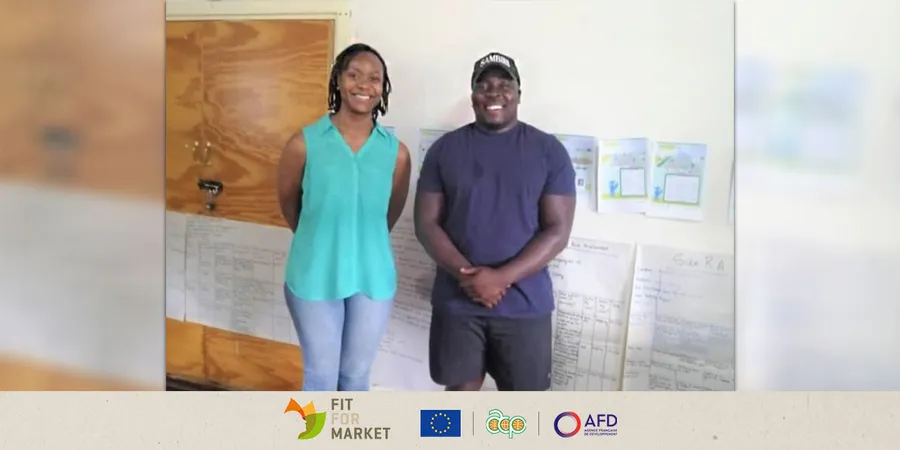
In January a training course on good agricultural practices was organised through the Fit For Market SPS programme for 14 small agri-food entrepreneurs and producers in Ghana who are part of The Food Bridge’s network. The training was co-facilitated by two Ghana-based trainers, Mark Tutu Sarpong and Benjamin H.K. Atidjah, and was conducted entirely remotely. It consisted of several short live Zoom sessions, as well as practical exercises and case studies prepared by the trainers to illustrate the technical content, shared via the WhatsApp group and email.This type of training would normally include practical, hands-on activities. As physical field visits were not possible due to Covid restrictions, the experts demonstrated good practices through images, pre-recorded videos or live broadcasts, to allow the participants to apply the theoretical concepts discussed in the classroom (observation techniques, pest recognition, application of plant protection products, etc.).The participants are now equipped with basic relevant knowledge concerning good agricultural practices (GAP), and will be able to adopt some of the key elements of the concept and begin practising them on their farms.This activity is supported by the Fit For Market SPS programme, implemented by COLEACP within the Framework of Development Cooperation between the Organisation of African, Caribbean and Pacific States (OACPS) and the European Union.
 News
News
Zimbabwe: Farm Fare Produce achieves GLOBALG.A.P. certification
Farm Fare Produce is a family-owned horticultural business supplying fresh vegetables mostly to retailers and supermarkets. With an interest in reaching the export market, the has been working to have its food safety management system certified by GLOBALG.A.P. option 1 to meet marketrequirements.The Fit For Market programme has been supporting Farm Fare Produce in the certification process, from an initial assessment of their existing food safety management system, identifiction and implementation of corrective measures, training of the quality management team, through to final certification. At the end of 2021 Farm Fare Produce successfully passed the audit and received GLOBALG.A.P. option 1 certification for capsicums, mangetout and passion fruit. Congratulations for this major achievement!This activity is supported by the Fit For Market programme, implemented by COLEACP within the Framework of Development Cooperation between the Organisation of African, Caribbean and Pacific States (OACPS) and the European Union, and co-funded by the French Development Agency (AFD).
 News
News
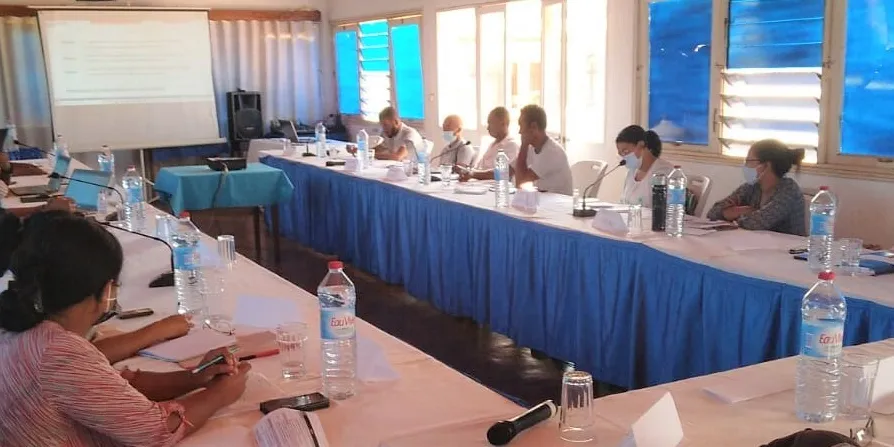
Madagascar: Working week for the implementation of COLEACP R-SAT tool
A workshop was held at the beginning of February in Madagascar, bringing together private and public stakeholders involve in the “dry grain” sector, to discuss the implementation of COLEACP’s Rapid SPS Assessment Tool (R-SAT). R-SAT supports Competent Authorities to assess the status and functioning of their sanitary and phytosanitary (SPS) systems, in conjunction with key stakeholders from the public and private sectors. The tool will enable the development of a prioritised action plan by agri-food value chains to strengthen national SPS systems, and to ensure their alignment with international standards and regulations. The workshop was attended by several participants, both remotely and on-site, including representatives of the Ministry of Agriculture and Livestock and private sector operators (dry grain producers and exporters), as well as the three COLEACP experts.This successful meeting provided a platform for those involved to propose an action plan to improve the SPS system for the sector.This activity is supported by the Fit For Market SPS programme, implemented by COLEACP within the Framework of Development Cooperation between the Organisation of African, Caribbean and Pacific States (OACPS) and the European Union.
 News
News
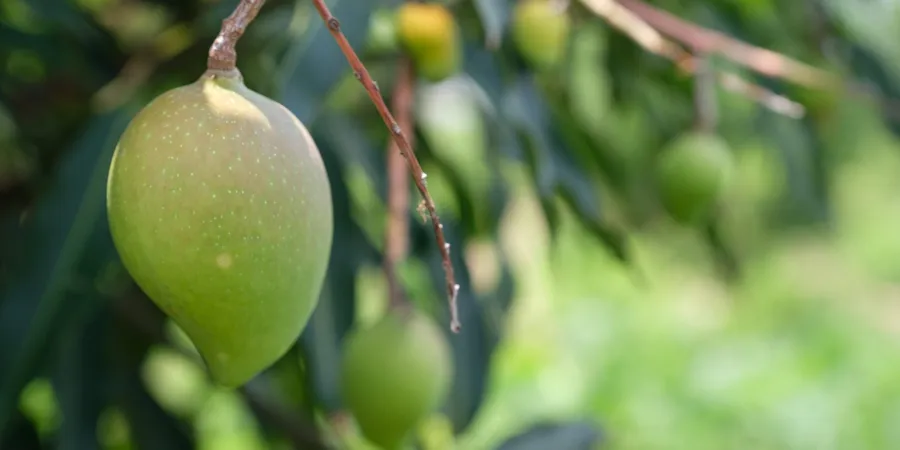
Update on Guidelines for fresh mango exported to the eu and new guidelines on the export of fresh guava, papaya, and annona
The Fit For Market SPS programme has produced a series of plant health guides that give a clear explanation of what needs to be done in order to ensure that exports are in compliance with EU phytosanitary requirements. They explain the information that needs to be provided, and actions to be taken at all stages, from production to export, by producers and exporters as well the national authorities and inspection services.The new Commission Implementing Regulation (EU) 2021/2285, which will apply from 11 April 2022, brings in changes to EU plant health rules that affect a number of export crops.An updated version of the “Guidelines on the Export of Fresh Mango to the European Union” has been issued to include the recent changes. New text is highlighted in orange, so that the changes can be easily seen. The main points to note are: Changes to the categorization of fruit fly (Tephritidae) species Modifications to the text that must be included under the “Additional Declarations” in the phytosanitary certificate A new guidance document on the export of fresh guava, papaya, and Annona has also been issued to highlight new requirements introduced under the new regulation. These include: Options that specify strict conditions to manage the fruit fly Bactrocera dorsalis (Hendel) in fruits of Annona L. and papaya (Carica papaya L.). They affect exports of these products from countries in sub-Saharan Africa, as well as Cape Verde, Comoros, Madagascar, Mauritius, Réunion and Seychelles (among others). Options that specify strict conditions to manage the fruit flies Bactrocera dorsalis (Hendel) and B. zonata (Saunders) in fruits of guava (Psidium guajava L). They affect exports of these products from countries in sub-Saharan Africa, as well as Cape Verde, Comoros, Madagascar, Mauritius, Réunion and Seychelles (among others). The guidance documents are divided into two parts. Part One provides details of the special measures required under the regulations. It describes the options that can be selected to ensure that exports are pest free, and gives a clear explanation on how to complete the phytosanitary certificate. Rules for these pests are strict and correct completion of the certificate is essential to avoid administrative problems and potential destruction of shipments at EU border controls.Part Two of the documents give guideline on preparing a dossier for submission to the EU on the management of the pest in question. It gives a framework to guide the process of developing a national action plan and submitting a dossier to the EU, outlining the various elements that must be included.These guides have been prepared by COLEACP within the framework of the program Fit For Market SPS. The elements they contain are not exhaustive or exclusive, and may or may not be relevant, depending on the situation in each country. The content of each national action plan and any dossier submitted to the EU remains the sole responsibility of the NPPO and industry stakeholders in the countries concerned, and references and links are given to the appropriate regulations and international standards (ISPMs). The contents of this publication are the sole responsibility of COLEACP and can in no way be taken to reflect the official views of the European Union.Fit For Market SPS is a COLEACP programme funded by the European Union and the Organisation of African, Caribbean and Pacific States
 News
News
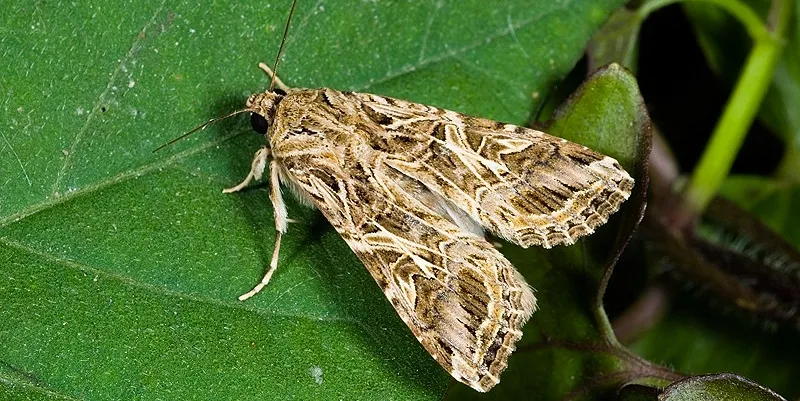
Amendments to EU plant health rules for False Codling Moth
The EU has introduced new legislation to amend plant health rules covering False Codling Moth (FCM, Thaumatotibia leucotreta). The new draft regulation has been submitted to the WTO for a feedback period, period until the 11th April 2022. The date of implementation is not yet known.FCM is listed as a priority pest under EU plant health regulations ((EU) 2019/1702). Unfortunately, as this pest has been intercepted on several host plants in recent months during EU border controls, stricter rules have now been introduced. The new requirements target, in particular, countries that have been using options to export under FCM-free places of production (option C), or a systems approach for FCM control (option D).The draft regulation introduces new FCM-related rules for the following crops: Revised import requirements for fruits of Capsicum, Citrus (other than Citrus aurantiifolia Citrus limon), Prunus persica, and Punica granatum (point 62 of the annex)Action needs to be taken to protect exports of these crops to the EU from 11th April The most important points to note are for countries exporting these crops according to the options (c) “pest free place of production” or (d) “systems approach/post-harvest treatment”: 1. The NPPO must send a list of production site codes in advance in writing to the European Commission (EC)2. Details of the systems approach (or the post-harvest treatment method) for FCM must be communicated in advance to the EC together with documentary evidence of its effectiveness.3. Prior to export, the fruits must be inspected (by the NPPO) for the presence of FCM, including destructive sampling of 10% of the visually inspected fruits4. For every consignment, the code for the production site must be included on the phytosanitary certificate. (Alongside the description of the product, you must write the unique identification number or name of the approved production site).5. In the Additional Declaration, the NPPO must copy and paste the Option selected by the country. For example, for Option (c), copy and paste the following text: “The consignment complies with Option (c) of Points 62 of Annex VII to Implementing Regulation (EU) 2019/2072: no signs of Thaumatotibia leucotreta to which those fruits are known to be susceptible, have been observed at the place of production and in its immediate vicinity since the beginning of the last complete cycle of vegetation, on official inspections carried out at least monthly during the three months prior to harvesting, and none of the fruits harvested at the place of production has shown, in appropriate official examinations, signs of the relevant pest, and information on traceability is included in the phytosanitary certificate”The amendments introduced in the new draft regulation affect a number of ACP export crops, targeted because they are a known pathway into the EU of a serious quarantine pest that could damage EU agriculture or the environment. NPPOs and export sectors in the countries concerned need to act now in order to ensure that the necessary steps are taken to allow exports to continue after 11th April 2022.Amendments like this are generally made following risk assessments, or where there have been large numbers of non-conformities in imports from third countries. In this case, the rules have been tightened due to repeatedly high numbers of FCM interceptions from a number of countries, often in consignments exported under option (c) “free place of production”. Stricter measures must be now put in place in each exporting countries and communicated to the EU before the 11th April.The following text is extracted from the revised Annex to the Draft Regulation, and lists the options that must be used in order to export after 11th April. The amendments concern Point 62 of Annex VII to Implementing Regulation (EU) 2019/2072, and they affect Options (c)and (d), the most commonly used by exporting ACP countries. They bring in strict new requirements for approval of production sites, inspections, and information.Point 62 (amended)This gives 4 options that specify strict conditions for the management of FCM (T. leucotreta): In fruits of Capsicum (L.), Citrus, other than Citrus aurantiifolia (Christm.) Swingle Citrus limon (L.) Osbeck. and Citrus sinensis Pers., Prunus persica (L.) Batsch and Punica granatum L. (pomegranate)From countries on the African continent, Cape Verde, Saint Helena, Madagascar, La Reunion, Mauritius and IsraelThe 4 options are as follows:Option (a)the fruits originate in a country recognised as being free from Thaumatotibia leucotreta in accordance with relevant International Standards for Phytosanitary Measures, provided that this freedom status has been communicated in advance in writing to the Commission by the national plant protection organisation of the country of originorOption (b)the fruits originate in an area established by the national plant protection organisation in the country of origin as being free from T. leucotreta, in accordance with the relevant International Standard for Phytosanitary Measures ISPM 4,which is mentioned on the phytosanitary certificate, provided that this freedom status has been communicated in advance in writing to the Commission by the national plant protection organisation of the country of originorOption (c) (i) the fruits originate in a place of production established by the national plant protection organisation in the country of origin as being free from T. leucotreta in accordance with relevant International Standard for Phytosanitary Measures ISPM 10, and which is included in the list of place of production codes that has been communicated in advance in writing to the Commission by the national plant protection organisation of the country of origin, and(ii) the fruits have been subject to official inspections carried out in the place of production at appropriate times during the growing season and prior to export, including a visual examination and destructive sampling of 10% of the visually inspected fruits, and have been found to be free from T. leucotreta, and (iii) the fruits are accompanied by a phytosanitary certificate that indicates the place of production codes, allowing traceability to the places of productionorOption (d) (i) the fruits have been produced in an approved site of production, which is included in the list of production site codes that has been communicated in advance in writing to the Commission by the national plant protection organisation of the country of origin, and(ii) the fruits have been subjected to an effective cold treatment to ensure freedom from T. leucotreta or an effective systems approach to ensure freedom from T. leucotreta or another effective post-harvest treatment to ensure freedom from T. leucotreta in accordance with the relevant International Standards for Phytosanitary Measures ISPM 14 and ISPM 42, provided that the systems approach or the post-harvest treatment method together with documentary evidence of its effectiveness has been communicated in advance in writing to the Commission by the national plant protection organisation of the country of origin, and(iii) prior to export the fruits have been subjected to an inspection for the presence of T. leucotreta, including destructive sampling of 10% of the visually inspected fruits, and(iv) the fruits are accompanied by a phytosanitary certificate that indicates the production site codes, allowing traceability of the sites of production and mentions the use of a systems approach or details of the treatment method.’COLEACP Plant Health GuidesCOLEACP provides plant health guidelines on the export of several ACP export crops. These are currently being updated to incorporate the recent changes introduced under Regulation (EU) 2021/2285, as well as these latest amendments: - (New) Guidelines on the export of fresh guava, papaya, and Annona- (Update in process) Guidelines on exporting fresh capsicum from the Caribbean (version 2020)- (Update in process) Guidelines on the export of Capsicum from Africa, Madagascar, Cape Verde, and Mauritius (version 2020)- (Update in process) Guidelines on exporting fresh eggplant and tomato from Africa, Madagascar, Cape Verde, and Mauritius (version 2020)- (Update in process) Guidelines on exporting fresh citrus from Africa, Madagascar, Cape Verde and Mauritius (version 2020)- (Update in process) Guidelines on the export of fresh mango to the European Union (version 2020) – new version expected in end of February 2022These guides provide a clear explanation of what needs to be done in order to ensure that exported produce is in compliance with EU phytosanitary requirements. It details the information to be provided, and actions to be taken, at all stages from production to export by producers and exporters, as well as by the national authorities and inspection services.Those documents are publicly available in our E-library https://eservices.coleacp.org/en/e-library?search_api_views_fulltext=guidelinesThis information is published as part of the activities of the Fit For Market SPS programme. Fit For Market SPS is a COLEACP programme funded by the European Union within the framework of the Development Cooperation with the Organisation of African, Caribbean and Pacific States (OACPS).