
Cultivating
Sustainable Futures
 News
News
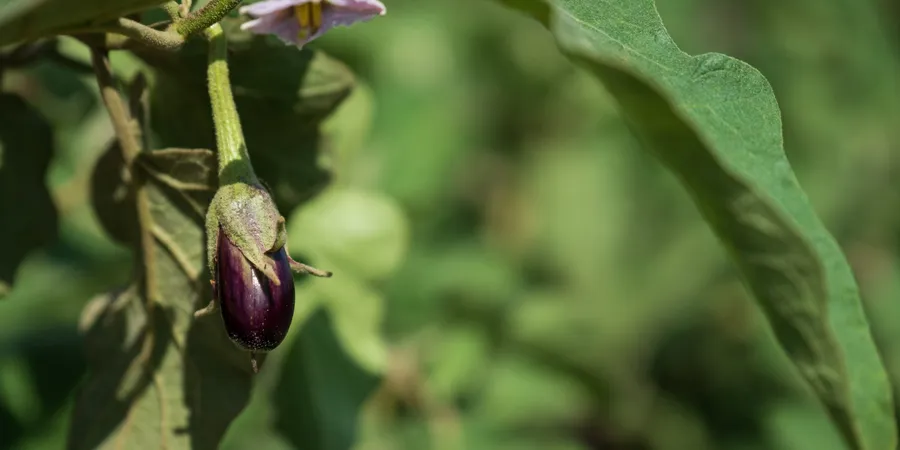
New EU measures impacting aubergines (eggplant), Capsicum and yardlong beans
In November, the EU Standing Committee on Plants, Animals, Food and Feed approved amendments to Implementing Regulation (EU) 2019/1793. As a reminder, this is the regulation on the temporary increase of official controls and emergency measures at EU border control posts where there is a food safety risk or evidence of widespread serious non-compliance with EU legislation.All of the new amendments are due to the detection of pesticide residues.The new measures are specified in a draft Regulation and its Annex which will enter into force on the 20th day following its publication in the Official Journal of the EU. This is expected soon, so the regulation will most likely enter into force at the start of 2022.The new measures will be challenging for the countries affected, particularly where listings are being transferred from Annex I to Annex II. In this case, consignments of affected produce will only be authorised to enter the EU after they have been tested for pesticide residues, and when they are accompanied by an official certificate with the sampling/analytical results. This new requirement will be applied from 20 days after the Regulation enters into force.Temporary increases of official controls and emergency measures under Regulation (EU) 2019/1793 have direct and important implications. They place additional demands on competent authorities in the exporting countries as well as resulting in significantly increased costs, often borne by the private sector operators.For more information on the specific impacts on exports from the Dominican Republic, see the COLEACP Caribbean website.For more information on the specific impacts on exports from Uganda, see the COLEACP Uganda country website.This communication has been prepared and is being issued by the Fit For Market SPS programme, a COLEACP programme funded by the European Union as part of its Development cooperation with the Organisation of African, Caribbean and Pacific States (OACPS).
 News
News
News digest: Agri-food systems and sustainability
The AGRF 2021 Summit, was a critical gathering of global and African voices. Designed to outline, discuss and validate commitments to, and accelerate action towards, ending hunger, reducing poverty and improving nutrition by 2030. From 7-10 September, leaders from across the continent and beyond gathered under the theme of “Pathways to recovery and resilient food systems” to define the pathways and actions needed to transform Africa’s food systems guided by leaders and innovators from around the continent.In a review of outcomes of the summit, African heads of state, government ministers and senior stakeholders from the global private sector and NGO community, collectively emphasised that the continent’s countries will: catalyze rapid expansion in agriculture and food productivity, with a particular focus on smallholder farmers and women; boost investment financing for Africa’s food systems;ensure access to safe and nutritious food for all; strengthen Africa’s local and regional food markets;and build resilience especially through social safety nets, and early warning systems.Source: AGRF, November 2021.
 News
News
FAO market access training for Ethiopia
At the request of the Ethiopian Institute of Agricultural Research (EIAR) and the Ministry of Agriculture, the Food and Agriculture Organization (FAO) organised a capacity development programme on market access in October.The five-day hybrid training event was organised by the FAO Subregional Office for Eastern Africa (FAO-SFE), FAO Ethiopia and the Ethiopian Ministry of Agriculture. Contributors included representatives of the World Trade Organization, DG-SANTE of the European Commission, and national and international experts, as well as EIAR, the National Plant Protection Organisation (NPPO), and FAO-SFE.Fatouma Seid, FAO Representative in Ethiopia, noted that intra-Africa trade constitutes 25% of the continent’s global trade volume. With the ratification of the African Continental Free Trade Area (AfCFTA), there will be an increased focus on the need to boost intra-African trade. This, in turn, will spur the spread of animal and plant pests and diseases, calling for sound SPS measures.Chagema Kedera, NExT Kenya Programme Coordinator, contributed a presentation on “Good practices in agricultural market access: COLEACP support to meet SPS challenges in ACP countries”, covering capacity development support through the Fit For Market SPS programme, the use of good practice guides in risk management, and opportunities for programme support to assess SPS management.The FAO market access training aimed to provide stakeholders with a good orientation in agricultural market access, with information on requirements for assessing the pest risks associated with formal trade systems. It offered regional and continental perspectives on trade-related issues to inform the criteria for identifying Ethiopia’s capacity gaps. These criteria will be used to identify and agree possible interventions to support the country’s endeavours to access various markets for its agricultural products.The training sessions focused on: Defining the capacity for pest risk analysis and how the results are used to support market access Requirements for collaboration between the NPPO, industry and other government representatives for risk-based decisions and actions Gathering information and compiling a dossier to prepare market access submissions to trading partners Designing a framework for stakeholder consultation on market access requirements, and how to manage the technical research Identifying contemporary demands on target value chains with the aim of removing constraints to market access Identifying arrangements for periodic system reviews – governance, operational processes (public and private), skills and competencies, communication and stakeholder relationships Agreeing an approach to institutional mentoring to develop capacity in pest risk analysis. The programme took a multi-sectoral team approach to building the capacity of the national agencies responsible for market access for agricultural products. Following this training, the team of state and non-state experts will continue to work with the NPPO and other agencies to guide future actions needed to support market access initiatives in Ethiopia.The Fit For Market SPS programme is implemented by COLEACP within the Framework of Development Cooperation between the Organisation of African, Caribbean and Pacific States (OACPS) and the European Union. The NExT Kenya (New Export Trade) programme is established in collaboration with the EU Delegation in Nairobi and Kenyan stakeholders.
 News
News
News digest: Agri-food markets, production and trade
Rwanda plans to double its lending to the agricultural sector from 5.2 to 10.4% by 2024. The goal is to modernise agriculture, which now accounts for one-third of Rwanda's GDP. Small farms can rarely access financial services due to high interest rates (18-24% per year). Access to these loans will enable farmers to invest in new means of production and thus secure the food supply for a country whose food supply is still largely dependent on imports.Source: Ministère de l’Économie, des Finances et de la Relance, 13 October 2021
 News
News
IPPC/FAO RELEASE GUIDELINES
On 18 November the International Plant Protection Convention (IPPC) Secretariat and the Food and Agriculture Organization (FAO) released new guidelines on fall armyworm (FAW): "Prevention, preparedness and response guidelines for Spodoptera frugiperda".Fall armyworm is affecting plant health in more than 70 countries, with many others at high risk of introduction. The guidelines offer globally harmonized measures and actions that countries can take to minimise the spread of the pest and protect their territories. It is a transboundary pest that has increasingly spread around the world over the past few years, affecting food security in many countries in Africa, the Near East, Asia, and the Pacific. To respond to this global threat and scale up international efforts to reduce the spread of FAW worldwide, the Food and Agriculture Organization (FAO) has launched a three-year Global Action for Fall Armyworm Control, which places new emphasis on prevention.FAO and COLEACP (via the Fit For Market SPS programme) are working together to strengthen the SPS capacities of both private and public sectors in African, Caribbean and Pacific (ACP) countries by focusing on #planthealth. This new partnership through the IPPC Secretariat will focus on: enhancing global food security and increasing sustainable agricultural productivity protecting the environment from the impacts of harmful organisms facilitating safe trade, development, and economic growth. The IPPC and COLEACP have just signed a Memorandum of Understanding to develop national phytosanitary capacities in ACP countries, and global capacities, through new training materials, workshops, communication and advocacy. Two new e-learning courses will focus on Pest Risk Analysis (PRA), and Export certification. Read more about these new training tools.Photo credit: FAO.These COLEACP activities are supported by the Fit For Market SPS programme, implemented by COLEACP within the Framework of Development Cooperation between the Organisation of African, Caribbean and Pacific States (OACPS) and the European Union.
 News
News
Updated guidance on the new EU Organic Regulation
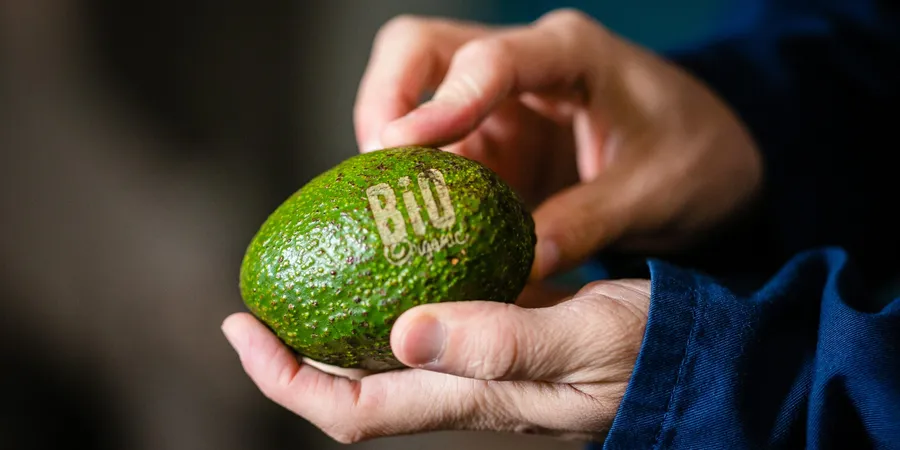
The new EU Organic Regulation (Regulation (EU) 2018/848), originally intended to apply from 1 January 2021, was postponed to 1 January 2022 to allow for completion of the secondary legislation due to Covid-19, among other reasons.In the meantime, several new delegated and implementing acts have been issued during 2021. At the time of writing, 18 items of secondary legislation have been published, and a further eight are in the adoption process. These latest changes are included in COLEACP’s “Update on the New EU Organic Regulation and Associated Implementing and Delegated Acts”, produced within Fit For Market SPS programme activities.The new EU Organic Regulation was introduced with the aim of encouraging the sustainable development of organic production in the EU, guaranteeing fair competition for farmers and operators, preventing fraud and unfair practices, and improving consumer confidence in organic products.Development of the regulation took several years of intense negotiations. This long process reflected the often contentious discussions, and the wide range of opinions and positions within European institutions, Member States, and the organic sector. In the final version, the EU aims to achieve a balance between meeting the fundamental principles of organic production, and the need to maintain flexibility for operators.The European Commission (EC) recognises that there may be challenges for operators as they adapt to the new rules. A number of tools are proposed to facilitate the reading of the legislation, including a summary table and enhanced versions of the basic and delegated acts on the EC website. FAQs and a question-and-answer system are also planned, and will be shared by the EC in the coming weeks with stakeholders and Member States. You can see more information on the EC webpage “Organics at a glance”. This activity is supported by the Fit For Market SPS programme, implemented by COLEACP within the Framework of Development Cooperation between the Organisation of African, Caribbean and Pacific States (OACPS) and the European Union.
 News
News
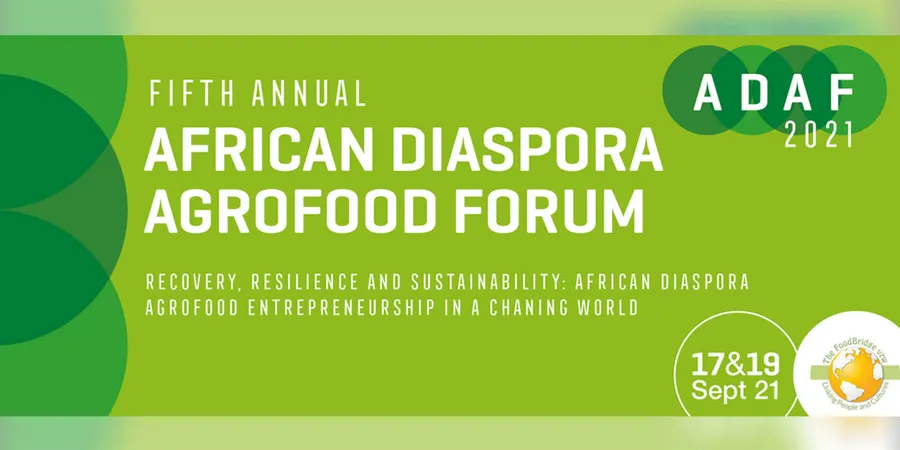
5th African Diaspora Agrofood Forum: summary
Last September, COLEACP supported Belgium-based NGO The FoodBridge with the organisation of the 5th African Diaspora Agrofood Forum which reunites stakeholders to discuss the role of the African Diaspora and global agribusiness in supporting development both on the African continent and in diaspora communities.Over 200 participants followed the online conferences on ‘Recovery, resilience and sustainability: African diaspora agrofood entrepreneurship in a changing world‘ on Friday 17th September 2021. The recordings of the conferences are available on COLEACP YouTube channel and a summary of the 5th African Diaspora Agrofood Forum can be found here.
 News
News
INNOVATIONS SERIES : 1-year anniversary of inspiring stories from African businesses and SMEs
In November 2020, the Pan-African Farmers’ Organization (PAFO) and COLEACP launched the Innovations Series held every two months and aimed at showcasing innovations and successes of African farmer-led businesses and small and medium enterprises (SMEs).Six Innovations Sessions have been organised on various topics and featured 24 inspiring farmers groups and entrepreneurs. They presented their businesses to more than 2 200 participants from more than 100 countries on different continents. Find here a snapshot of their presentations which we hope will inspire you!
 News
News
Togo: Training on Food Safety Management for ICAT'supervisors
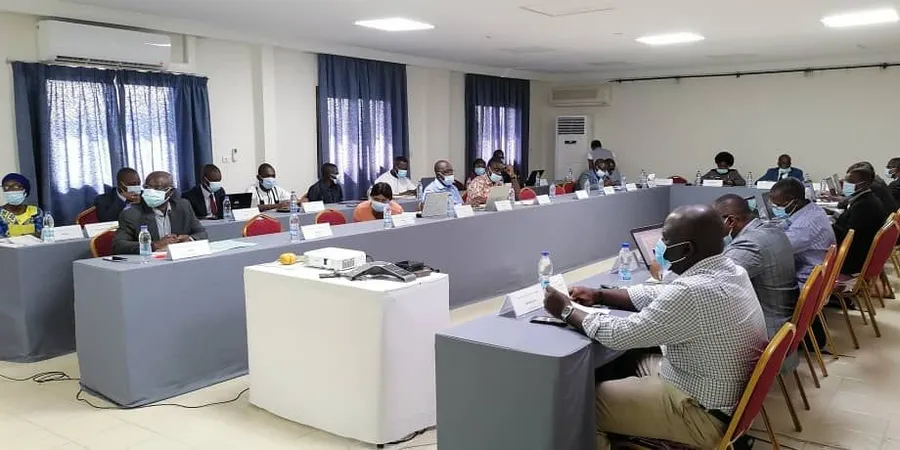
A training course on Health Quality Management was organised from 26 to 29 October 2021 for supervisors of the Institute for Technical Advice and Support (ICAT).The training, which took place face-to-face in Lomé, was organised through the STDF project to strengthen Togo’s SPS system. It involved 15 participants and focused on product traceability, good hygiene practices, risk analysis, the principles of self-checking, regulatory requirements, and document management.The supervisors who took part in the training are now better able to train the producers they work with on how to improve their sanitary quality management systems to meet market requirements.This activity was organised within the framework of the Project to Strengthen the National Phytosanitary Control and Certification System for Fruit and Vegetables in Togo, funded by the Standards and Trade Development Facility (STDF) and implemented by COLEACP.
 News
News
Côte d’Ivoire: Priority action plan using R-SAT
The COLEACP Rapid Assessment Tool (R-SAT) is a practical step-by-step guide to help competent authorities work with private sector stakeholders to conduct a rapid assessment of the status and functioning of SPS systems. Through the Fit For Market SPS programme, Côte d'Ivoire is among the first countries where the R-SAT tool has been used. During a launch workshop in June 2021, the decision was taken to apply the tool to the national control system in the Capsicum sector, both for sanitary issues on chilli consumed locally and for phytosanitary issues on chilli intended for export to the EU. A technical working group was then set up, bringing together representatives of stakeholders in the horticultural sector (competent authorities, producers, chilli producers and exporters, researchers and agricultural support services). With the support of experts trained by COLEACP, the technical working group analysed the performance of the national control system in Côte d'Ivoire and identified needs for improvement to inform a proposed priority action plan for the Capsicum sector.On 27 October a workshop to validate this action plan was organised by the Directorate of Plant Protection, Control and Quality (DPVCQ) of the Ministry of Agriculture. The workshop brought together representatives of the competent authorities, the private sector of the Capsicum industry, phytosanitary firms, and programmes and structures that support the development of the sector, including the Interprofessional Fund for Agricultural Research and Advisory Services (FIRCA). Presentations by experts from COLEACP and DPVCQ first recalled the context and the issues that led COLEACP to develop R-SAT, and the justification for choosing the Capsicum sector. Then the experts presented their conclusions and priority action plan which, after a question-and-answer session, was validated.
 News
News
SPS Good Practice Guide for Penja pepper
A “Sanitary and Phytosanitary Good Practice Guide for the Penja Pepper Sector” has recently been published in French and will soon be available in English. Together with sector stakeholders, the Penja Pepper Representative Geographical Indication Group (GRIGPP) managed the development and production of the guide, which is based on an analysis of SPS risks throughout the value chain. The publication was achieved through the project “Improving SPS capacity in the Penja pepper value chain”, which is funded by the Standards and Trade Development Facility (STDF), Fit For Market SPS, GRIGPP, and Cameroon’s Chamber of Commerce, Industry, Mines and Crafts (CCIMC).Now, based on the key messages in this guide, work is ongoing to develop technical and learning tools on SPS good practices for the Penja pepper sector. These tools are being presented to stakeholders during training sessions for the various trades in the sector, which are currently under way.Brochures on “Good Packaging and Storage Practices” and “Good Harvesting Practices” have already been published, and brochures are now in production on “Good Pepper Retting Practices (white pepper)”, “Good Pepper Blanching Practices (black pepper)”, and “Good Pepper Drying and Sorting Practices”.Great chefs place Penja pepper among the best peppers in the world, and it is the first Protected Geographical Indication (PGI) in sub-Saharan Africa. Given its high profile, the product could easily take a relatively large share of the market. But following the entry into force of the Economic Partnership Agreement (EPA) between Cameroon and the EU, the Cameroonian private sector faces stiff competition from more competitive European products that respect international SPS standards. The recommendations in this guide should ensure the SPS safety of batches of Penja pepper to allow market access for this product, as well as informing all stakeholders in the Penja pepper value chain about the SPS safety standards and regulations that Penja pepper must meet.This activity is organised within the framework of the Project to Strengthen the Phytosanitary Monitoring and Certification System for Cameroon’s fruit and vegetable sector, supported by the Standards and Trade Development Facility (STDF) and implemented by COLEACP. It is also supported by the Fit For Market SPS programme, implemented by COLEACP within the Framework of Development Cooperation between the Organisation of African, Caribbean and Pacific States (OACPS) and the European Union.
 News
News
ALFA: A new Africa-France link for agriculture and food
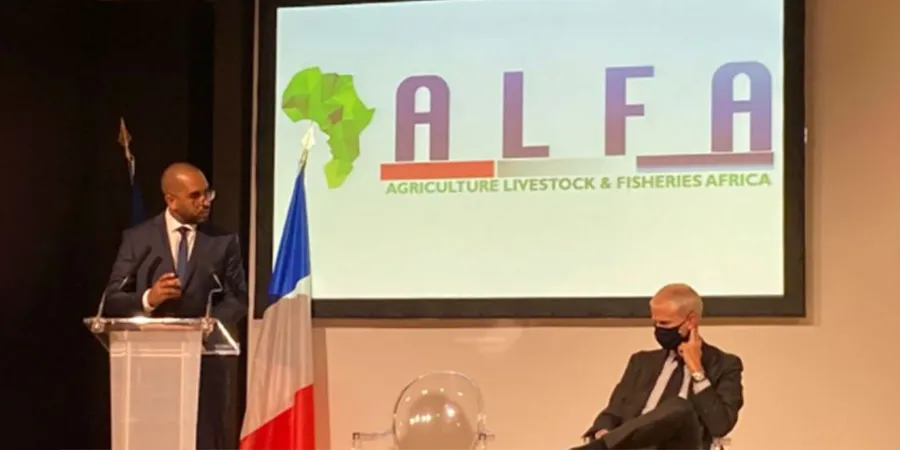
On 6 October, a new initiative was launched at the headquarters of the Movement of the Enterprises of France (MEDEF), on the sidelines of the Africa-France summit. The Agriculture-Livestock-Fisheries-Africa (ALFA) initiative, a grouping of 105 French companies covering the entire value chain, was launched by Karim Aittalb, CEO of GEOCOTON and co-founder of ALFA1, in the presence of France’s Minister for Foreign Trade, Franck Riester.The aim of this new platform is to contribute to renewing the partnership between Africa and France and to highlight French agricultural know-how. ALFA is driven by the will, shared with African partners, to build an appropriate response to the major challenges of developing sustainable and inclusive agriculture and food systems, especially in sub-Saharan Africa.On the eve of various trips to Africa, the launch provided an opportunity to report to Franck Riester the conclusions of the work of the four ALFA committees. COLEACP is a member of the ALFA platform, and COLEACP’s Marketing and Engagement Director, Emmanuel Bourcelet, is leading the initiative’s training committee. There are three additional working committees – access to finance; value chains; and logistics – led respectively by Pierre Arnaud (investor in Africa, ex-DG Proparco and Vice-President of Compagnie Fruitière); François Burgaud (President of the Agriculture and Agri-food sector of MEDEF International, ex-President of Adepta); and Patrick Lawson (Director of port concessions of the Bolloré Group).Drivers behind the formation of ALFA are the awareness that the African continent represents an exceptional lever for growth, and French President Emmanuel Macron’s November 2017 speech in Ouagadougou, which underlined the need to involve French companies in a collective effort towards a new form of partnership between Africa and France. The 6 October launch focused on the levers of development of agricultural and food value chains in Africa, and the role companies can play in positioning agriculture and livestock at the centre of French diplomacy on the continent.Minister Riester travelled to Kenya on 25 October, and next month he will go to Mauritania. Tanzania, Rwanda, Sudan and Egypt are also already envisaged. There are many issues to explore and prospects for sustainable entrepreneurship in the development and transformation of agriculture in Africa, and COLEACP remains mobilised to contribute.1 ALFA was co-founded with Jean-Marc Gravellini and Hamza Hraoui.