
Cultivating
Sustainable Futures
 News
News
UNIDO Senegal: Waste management for mango processers in Casamance
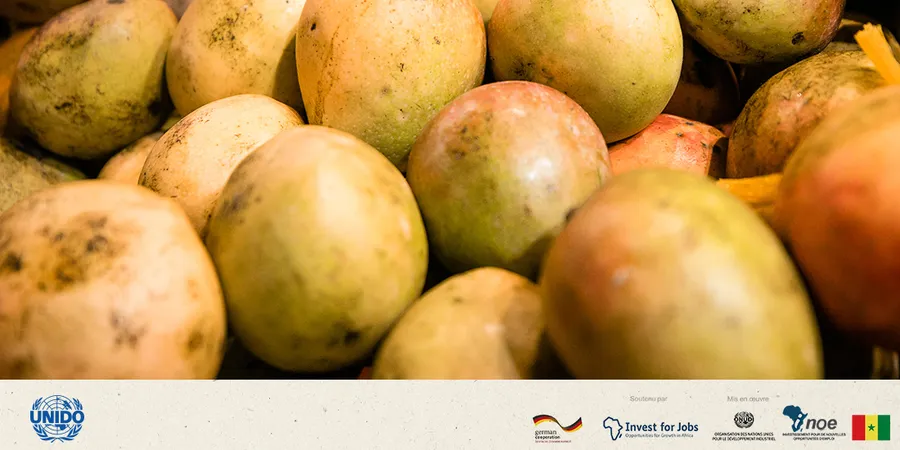
COLEACP is contributing to a UNIDO project in Senegal that aims to create shared prosperity, by providing support to improve the competitiveness of the country’s mango sector and advice in the environmental and social fields. COLEACP’s Research & Innovation service has been working with partners in Senegal to support the improvement of waste management in mango processing. During July and August, a technical team worked to identify appropriate methods for the valorisation of mango production waste and co-products. This study involved carrying out an inventory to identify all the available technologies adapted to the development of waste/co-product recovery in the mango sector in Casamance, and producing a comparison tool to help the sector develop and implement the most adaptable solutions. In parallel, COLEACP’s Technical Assistance service worked with several companies in Casamance to evaluate, reduce and recover waste from the mango sector. As a follow-up to these two activities, a training session on composting is being organised with Casamance companies in October. And a technical brochure on composting methods is in production and will be published in COLEACP’s e-library. This activity, implemented by COLEACP and supported by the United Nations Industrial Development Organization (UNIDO), contributes to the project “Inclusive and sustainable industrial development for employment creation in Senegal and Ethiopia”.
 News
News
News digest: COP26, climate change and food systems
You can view the overall schedule and themes here.
 News
News
News digest: Agri-food markets and production
The 8,300 participants of the Eleventh African Green Revolution Forum (AGRF) came together in Nairobi, Kenya from 7 to 10 September 2021 to call for and plan action on building resilient food systems in Africa.
 News
News
Capacity building in Sustainable Environmental Management
This time of year is associated with the major international summits for the protection of the environment – and this year they are even more crucial. The first part of the 15th Conference of the Parties of the UN Convention on Biological Diversity (COP15) has just ended with the adoption of the Kunming Declaration outlining the ambitions of the signatory states in terms of nature protection. The aim of COP15 is to reach a framework for restoring biodiversity by 2030, and to be “living in harmony with nature” by 2050. COP15’s sister event, the 26th UN Climate Change Conference (COP26), opens on 31 October. The challenge is to agree on the final technical details of the Paris Agreement, the new rules for carbon markets, and the transparency framework.The two events are closely linked: “Because climate change and biodiversity loss are intertwined, with the potential for both win–win solutions and vicious cycles of destruction, they must be addressed together” (New York Times, 14 October 2021). Biodiversity loss and climate change are two sides of the same coin.More than ever, we need to recognise that climate change, biodiversity loss and the food system are closely linked. Biodiversity is the basis of sustainable food systems. At present, the way we produce food is responsible for a third of the world’s greenhouse gas emissions – and it is the main cause of biodiversity loss. Our food system has a major impact on our planet. We need to adopt good practices for nature and biodiversity that can reduce the impacts of the food system and agriculture.
 News
News
Reducing pesticide use in tropical agriculture
On 11–12 October COLEACP participated in a workshop on “Reducing the use of pesticides in tropical agriculture: Key challenges and strategies”, organised by the Agropolis Foundation. During these two days, scientists from the European Union, Middle East and Africa exchanged views on topics ranging from epidemiology, toxicology and environmental impact to societal impacts resulting from pesticide use across the globe.Edouard Lehmann, COLEACP’s Research & Innovation Manager, took part in a round table on how to promote multi-stakeholder collaboration in research and development of solutions. The aim was to get feedback from the private sector, particularly MSMEs and SMEs from ACP countries. The use of plant protection products has implications both for trade and for operators in the field. Changes of policy can influence competitiveness, access to markets and sourcing of products.The major issue faced by MSMEs and SMEs is access to affordable, effective and safe alternative solutions. Investment in research and innovation by both private and public sectors, especially for minor crops, is still lacking. If biocontrol solutions exist, they mainly remain in research and private sectors. More local registrations are needed to ensure growers are provided with a suitable toolset to implement integrated management (IPM). COLEACP is invested in this work through the Fit For Market SPS programme, supporting field research to fast-track registration of effective solutions to control priority pests and diseases.While all the presentations demonstrated considerable advancements in research regarding epidemiology, toxicity and environmental impact assessment, as well as pesticide handling and application, it was recalled that food production systems also have social and economic dimensions. Transformation to more sustainable agribusiness is not a one-step process, and more research is needed in areas such as the social and economic sciences, as well as trying to upscale successes in the field by transposing successful IPM strategies to tropical soils, climates and production systems.The objective of this workshop was to set a baseline for the development of a multidisciplinary scientific network in Montpellier. This network will be active in pesticide reduction in the tropics, and able to advise multi-stakeholder initiatives dedicated to pesticide reduction by leveraging research for development activities from the Agricultural Research Centre for International Development (CIRAD), the French National Research Institute for Sustainable Development (IRD) and France’s National Research Institute for Agriculture, Food and Environment (INRAe).The Agropolis Foundation was created by CIRAD, IRD, INRAe, SupAgro Montpellier and the University of Montpellier in 2007. It works on climate change, biodiversity and responsible production and consumption in Europe, the Mediterranean and Africa.This activity is supported by the Fit For Market SPS programme, implemented by COLEACP within the Framework of Development Cooperation between the Organisation of African, Caribbean and Pacific States (OACPS) and the European Union.
 News
News
Sustainability Self-Assessment System at the heart of COLEACP’s activities through FFM and FFM SPS programmes
Sustainability – environmental, social and economic – is key to COLEACP’s mission. Our members are encouraged to sign up to our Sustainability Charter, and to regularly complete our Sustainability Self-Assessment System, which was initially supported by the Fit For Market programme (FFM). The system enables producers and agribusinesses to monitor their evolving impacts in all three areas and demonstrate their progress to current and potential customers, and other interested parties. By utilising the system, businesses can: Strive for continuous improvement by answering simple questions on practical and achievable actions Enhance business management through internal monitoring to drive continuous improvement, oversee costs and revenues, support planning, and facilitate access to finance Improve their market access by aligning practices with industry norms, meeting buyers’ expectations and recording evidence of their good practice Increase their competitiveness through good practices that make them more efficient, profitable & resilient Capitalise on their advantages by providing evidence of sustainability which gives access to high-value and niche marketsCompanies’ individual action plans are informed by the system, and the data obtained (aggregated and anonymised) is used in the evaluation of FFM and FFM SPS programmes. The Sustainability Self-Assessment System enables businesses to monitor their progress in the following environmental, social and economic areas: General information: Farm management, Crop-specific management Environmental practices: Soil management, Water management, Biodiversity management, Waste management, Energy management, Carbon accounting management Crop production practices: Agricultural practices management, Soil and fertilisers, Irrigation Food safety quality management Business practices: Complying with the law, Behaving as good corporate citizens, Being good business partners Human resources: Human resources management, Basic labour rights, Health and safety Financial management
 News
News
Unfair Trading Practices Directive now law in most EU countries
For over 10 years, COLEACP has been part of a coalition of organisations, including Oxfam, the Fair Trade Advocacy Office and the International Federation of Organic Agriculture Movements (IFOAM-EU), lobbying the EU to tackle unfair trading practices (UTPs) in agricultural supply chains. We advocated strongly for new legal provisions to extend beyond the EU to also protect third country suppliers. The groundbreaking EU Directive 2019/633 on Unfair Trading Practices in Business Relationships between Businesses in the Agricultural and Food Supply Chain was formally adopted in April 2019, and each EU Member State had two years to put into force (or “transpose”) the Directive. The EU webpage “Unfair trading practices explained” describes the 16 practices targeted. The deadline to transpose the Directive expired in May 2021, but a number of Member States have still not done so, and the Commission issued letters of formal notice to 12 countries in July 2021. When transposing the Directive into their national law, EU countries can choose to be stricter than the Directive and go beyond its scope, and some countries, such as Germany, have done so. The progress of each country in transposing the Directive is updated here.On 22 September the European Economic and Social Committee (EESC) officially adopted the exploratory opinion “Towards a Fair Food Supply Chain”. The EESC “welcomes efforts undertaken by some Member States that have raised the level of ambition above the minimum harmonisation standards of the Directive and put in place laws that offer additional protection to EU and non-EU suppliers”. The EESC “welcomes that the Commission decided to regulate unfair trading practices, but regrets that the Commission did not foster a harmonised approach across MS to avoid fragmentation in the single market”. The Committee urges all Member States to transpose and implement the Directive as soon as possible.Through the Fit For Market and Fit For Market SPS programmes, COLEACP is continuing to work with a group of advocacy organisations to ensure that supply chain operators are informed about their rights under the Directive, and the procedures that they can use. In the coming weeks we will support the Fair Trade Advocacy Office in the dissemination of a leaflet giving practical explanations of the rules for operators in third countries. A workshop to provide detailed information to operators, with a focus on developing and emerging economies, will be held in early November.This activity is supported by the Fit For Market and Fit For Market SPS programmes, implemented by COLEACP within the Framework of Development Cooperation between the Organisation of African, Caribbean and Pacific States (OACPS) and the European Union. Fit For Market is co-funded by the French Development Agency (AFD).
 News
News
Smart innovation: Update on the DeSIRA-LIFT project
The European Union’s DeSIRA programme is working towards the Development of Smart Innovation through Research in Agriculture. Launched in June 2021 with funding from the European Commission (DG INTPA), the DeSIRA-LIFT project, “Leveraging the DeSIRA initiative for agri-food systems transformation”, aims to support the programme’s current and future activities in order to enhance its impacts. The EC funding is €6,500,000 for a duration of 3 years (June 2021–May 2024). The specific objectives of DeSIRA-LIFT are: Supporting country-based DeSIRA project actors to enhance their capacity to manage changes in climate-oriented innovation systems in line with sustainable agri-food system transformations Supporting the five partner organisations of CAADP-XP41, the Global Forum on Agricultural Research and Innovation (GFAR), and the Tropical Agriculture Platform (TAP) in promoting agricultural innovation systems Making knowledge work for the EC policy (DG INTPA, EU delegations and their partners) and contributing to the policy dialogue on agri-food system transformations for achieving the Sustainable Development Goals.COLEACP is the lead of the second service area (with support from the Natural Resources Institute), working closely with African research organisations in areas contributing to sustainable agriculture and food systems. Since June, a series of meetings have been held with CAADP-XP4 and partners to learn about their work on agricultural innovation systems and know more about theecosystem in which the operate in order to define joint action plans.Activities in the coming months will include supporting CAADP-XP4 to strengthen their contributions to Malabo Declaration commitments (in the lead-up to its ten-year anniversary, Malabo+10); review uptake of climate-smart innovations in National and Regional Agricultural Investment Plans and sharing of best practices; identify innovations to scale up; and promote multi-stakeholder dialogues, including a focus on private sector engagement.1 CAADP-XP4 is the Comprehensive Africa Agriculture Development Programme (CAADP) ex-Pillar IV: Africa Regional and Sub-regional Organizations for Agricultural Research and Innovation project. The five partner organisations are : Forum for Agricultural Research in Africa (FARA); the African Forum for Agricultural Advisory Services (AFAAS), Association for Strengthening Agricultural Research in Eastern and Central Africa (ASARECA); West and Central African Council for Agricultural Research and Development (CORAF), and the Centre for Coordination of Agricultural Research and Development for Southern Africa (CCARDESA).
 News
News
Suriname: Working with Surivit to develop a social enterprise business
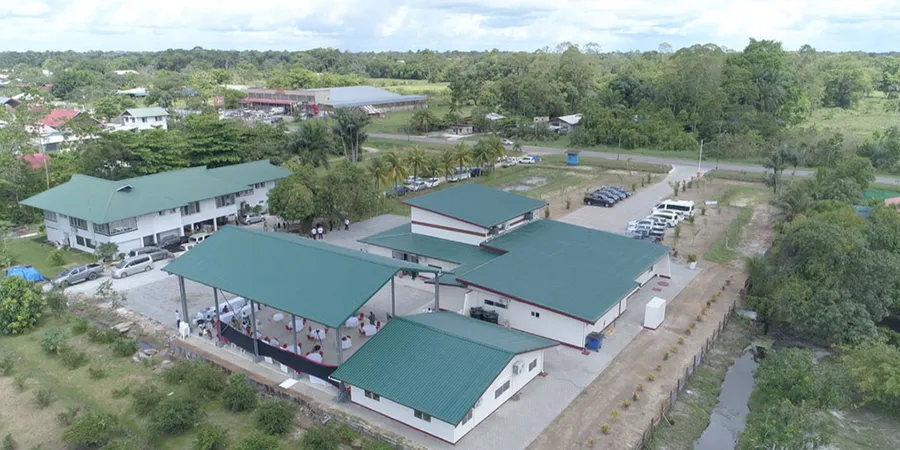
Surivit, a Surinamese company specialising in fruit and cassava processing, produces cassava flour, baby porridge, cassava pancake mixes and cassava flakes both for local use in Suriname and for export markets. Surivit works closely with women’s cooperative Wi! Uma fu Sranan (WUFS - “We the women of Suriname”), an organisation that aims to improve the living standards of female producers. Surivit has the ambition to professionalise as a social enterprise, with the aim of generating a significant positive impact on society, the environment and the local community through an entrepreneurial approach.Through the Fit For Market SPS programme, COLEACP has appointed an international expert from Profound (Netherlands) to help Surivit achieve its social enterprise objective. Firstly, the consultant will carry out a needs analysis of the company’s current governance model, which will include all stakeholders involved in Surivit's business model. This analysis will be followed by training in the social enterprise model for Surivit and its key stakeholders. The third part of the assignment will be a review of Surivit's current business model with a view to modifying it towards a social enterprise model.The outcome will be a business model that integrates the company’s social objectives into its existing model, and allows Surivit to address the socioeconomic needs of cooperatives while ensuring the economic and environmental sustainability of the enterprise.
 News
News
Pacific: Training continues in the context of Covid
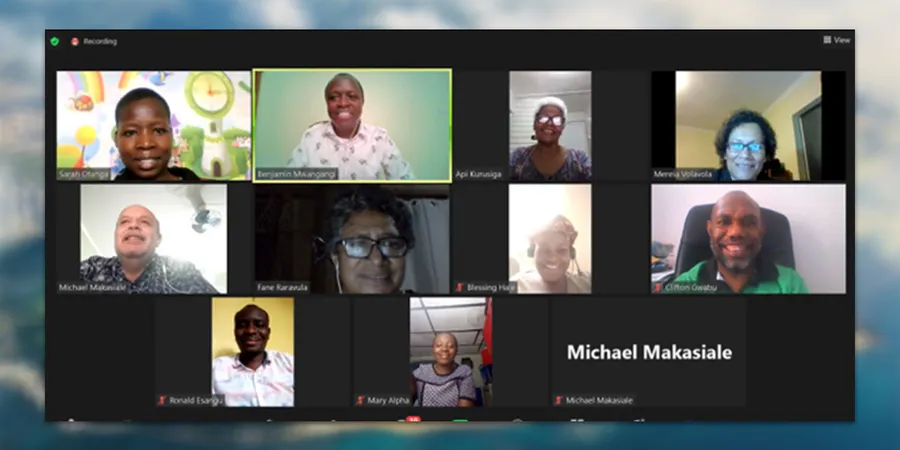
Agriculture in the Pacific region has suffered during the pandemic due to its close relationship with tourism. COLEACP’s regional relay in Fiji, Mereia Volavola, describes the impact:
 News
News
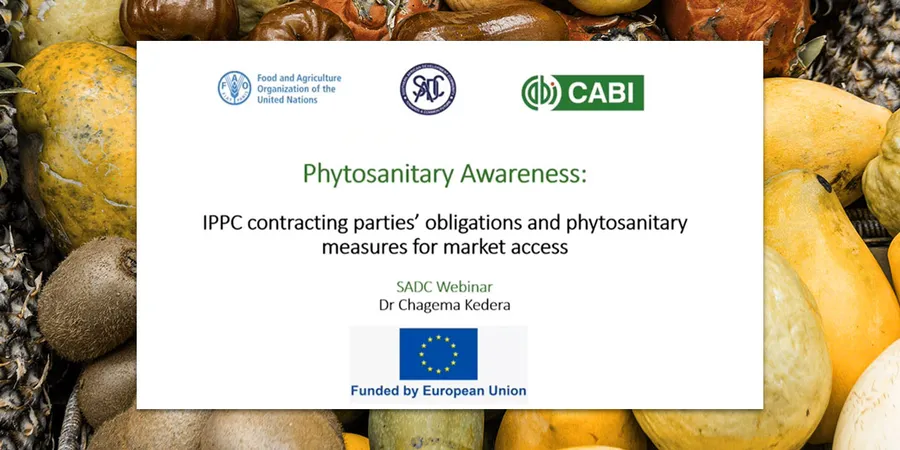
Resource for NPPOs: Phytosanitary awareness and R-SAT
Dr Chagema Kedera, NExT Kenya Programme Coordinator, presented a webinar organised by CABI on "Phytosanitary Awareness: IPPC contracting parties’ obligations and phytosanitary measures for market access" to over 70 participants.The presentation covers the obligations of contracting parties to the International Plant Protection Convention (IPPC); the functions of National Plant Protection Organisations (NPPOs); International Standards for Phytosanitary Measures (ISPMs); and the IPPC Market Access Guide.You can view the webinar here:
 News
News
Market report: Logistics in Suriname and the Caribbean
Through the Fit For Market SPS programme and within the context of the Covid-19 action plan, COLEACP’s Market Intelligence service has been working with the Association of Exporters of Agricultural Products of Suriname (Vereniging van Exporteurs van Agrarische Producten in Suriname, VEAPS), a professional association representing the country’s farmers and exporters of horticultural products.This collaboration is taking place in a context where Suriname’s exports have been suffering from a lack of competitiveness and logistics, constituting a bottleneck to export growth (particularly to the European continent). The Covid-19 factor has further contributed to this situation by reducing the availability of freight and increasing prices. It is therefore important, through this report, to map Suriname's export logistics, to identify areas for improvement and to be creative in identifying new export routes.Exports of fruit and vegetables from Suriname are facing limited and fluctuating logistics capacity and higher costs compared with other fresh produce export markets. This situation results in a loss of competitiveness and hampers VEAPS’ objective to further expand its exports, both within the Caribbean regional market and to Europe.COLEACP and VEAPS have studied available and potential new shipping routes for international and regional exports. The review provides an overview of the logistics demand in Suriname; the offer in the Caribbean region, including the price element; and the potential to increase this offer or combine the demand with other regional demand.For Suriname, cereals and bananas are the main commodities transported by sea; other fruits and vegetables are moved by air. The available payload for perishables is subject to high fluctuations due to competition from goods with higher yields and higher loading priorities, such as fish.At present, there is no direct shipping line to Europe – shipping services involve one or two transhipments, with transit times ranging from 19 to 30 days. However, the report highlights different routes to the continent, using transport lines with intra-regional services that ultimately offer good connection possibilities to the European market through air cargo gateways in the Caribbean.The upcoming report, currently in production, focuses on the potential for four alternative routes: direct air, air-air, sea-air, and road-air.This activity is supported by the Fit For Market SPS programme, implemented by COLEACP within the Framework of Development Cooperation between the Organisation of African, Caribbean and Pacific States (OACPS) and the European Union.Source: Photo by Eric Salard - PZ-TCQ, CC BY-SA 2.0