
Cultivating
Sustainable Futures
 News
News
The future of food is in women’s hands
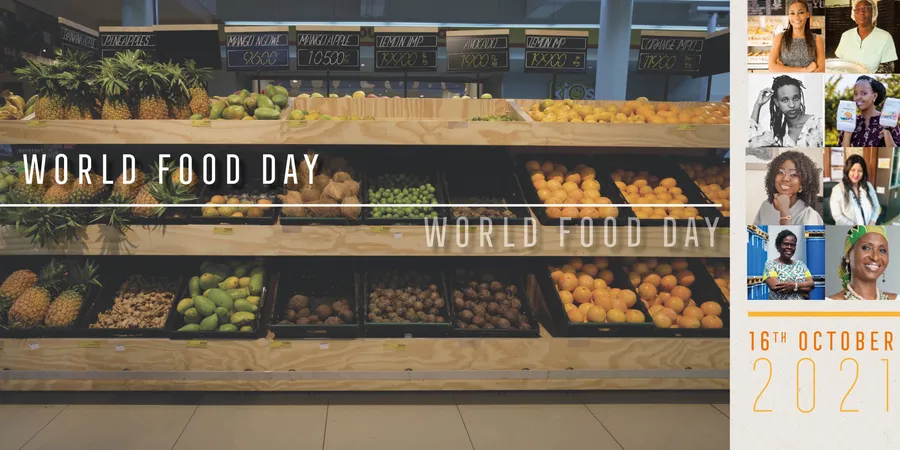
To celebrate World Food Day (16 October) and the International Day of Rural Women (15 October), COLEACP joins the United Nations in celebrating the unsung contribution of ACP women entrepreneurs to our food system.Women are a significant entrepreneurial force as owners of farms, input supply stores, service delivery businesses, and processing and export firms whose contributions to local, national, and global economies have significant impact on poverty reduction, employment creation and wellbeing of rural communities and society at large.So supporting women’s entrepreneurship across the value chain is one of the most powerful routes to promote agriculture and agribusiness and to boost sustainable rural development.The PAFO-COLEACP Innovation Series has been featuring women agribusiness entrepreneurs – here are a few examples.Halatou Dem is the Director General of Les Céréales de TATAM SARL, Mali, a company that produces and processes local cereals with high nutritional content (such as fortified millet flour, pre-cooked fonio, monicourou, diouka, etc.) in healthy, ready-to-eat be products sold across Africa, Europe and the USA. Initially, the company processed grains produced in Mali in an artisanal way. Halatou joined the company in 2010 and undertook to modernise the company and industrialise all the processing steps. This has reduced the risks related to artisanal processing, increased production volumes, and supported the underdeveloped processing sector in Mali.Watch Halatou’s presentation at Innovations Session n°1 here.Alice Riouall is the Founder and CEO of Mango So, Burkina Faso, which processes fresh mango and coconut into organic and Fairtrade dried chips, mainly exported to international markets, mostly to France and Germany. Mango-So constantly anticipates and develops produces adapted to specific markets, such as mango jam and mango sirop for the local market. Its mission is to contribute to fighting poverty through creating employment, especially for women, providing them with financial autonomy and technical skills in the fruit and vegetable processing sector.Watch Alice’s presentation at Innovations Session n°1 here. Affiong Williams is the CEO of Reelfruit, Nigeria, a company that creates new value chains by processing fresh fruit in value-added convenience products and snacks, and by building its own network for distribution. The processed mangoes, pineapples, coconuts, bananas and plantains are distributed in local and export markets, including through Amazon. The company aims to produce Nigerian food products that meet world-class standards and to market them everywhere; as well as to invest in the potential of Nigerian agriculture for wealth and job creation. ReelFruit also works actively to empower women by introducing female farmers to high-value mango farming.Watch Affiong’s presentation at the Innovations Session n°2 here.Catherine Krobo Edusei is the Managing Director of Eden Tree Limited, Ghana, which produces, packages and markets high-end fresh vegetables, fruits and herbs, as well as convenience foods, to promote healthy eating habits. The heathy value-added products are exported within West Africa. Eden Tree works closely with over 200 approved smallholder suppliers and helps them to develop their production, including by providing loans. Eden Tree has created jobs for urban farmers in Accra and the Ada area by providing training and education to its stakeholders. The company also pays tuition fees for the children of staff members, provides educational materials, and organises childcare to enable mothers to continue to work and attend to their children.Watch Affiong’s presentation at Innovations Session n°2 here.Bertille Guèdègbé Marcos is the CEO of Les Jus Tillou, Benin, a family business producing fresh pineapples and processing them into organic juice and dried fruit. These quality products from environmentally friendly agriculture are exported to Europe. With the recent acquisition of a packaging facility, pineapple juice will also be supplied to the local market. In 2016, when the Beninese government decided to temporarily suspend exports of fresh coloured pineapples to the European Union, Les Fruits Tillou decided to focus on the production and marketing of organic pineapple and to invest in organic production and certification.Watch Bertille’s presentation at Innovations Session n°2 here.Marie Ange Mukagahima is the founder and CEO of Zima Enterprise, Rwanda, a company that adds value to pumpkin and pumpkin seeds by processing them into pumpkinseed oil, pumpkin cookies, roasted pumpkin seeds and pumpkin seed flour. Zima Enterprise enables five rural cooperatives of women farmers and over 50 farmers to form a ready link to the pumpkin market. The company provides its farmers with high-quality seed for sowing, has provided farmers with solar dryers, and delivers training on the extraction and drying of pumpkin seeds.Watch Marie Ange’s presentation at the Innovations Session n°5 here.Jolenta Joseph is the founder and CEO of Sanavita, Tanzania, which adds value to crops such as orange fleshed sweet potatoes, beans and maize. The goal of Sanavita is to address the high rates of malnutrition in Tanzania; especially anaemia (which mainly affects women at reproductive age) and vitamin A deficiency (from which one out of three children under the age of six suffers). Sanavita delivers training in good farming and management practices, and offers consultancy on a range of issues including nutrition for special groups (community risk); nutrition for children under six years; malnutrition interventions; and production and quality of biofortified crops.Watch Jolenta’s presentation at Innovations Session n°5 here.Oluwaseun Sangoleye is the founder and CEO of Baby Grubz, Nigeria, an innovative social enterprise based in Lagos which manufactures packaged infant meals and snacks made from grains, fruit and vegetables, and operates in Ghana, Togo and the United Kingdom. Baby Grubz aims to change the way babies are fed in Africa, and to reduce the high rates of malnutrition and poverty in Nigeria. Its products are prepared with “superfoods” sourced locally in order to tackle the major deficiencies in baby and infant nutrition. The target consumers are low- and middle-income women with children aged six months to five years. Baby Grubz also works with over 300,000 mothers to provide peer-to-peer mentoring on the benefits of nutritious foods and breastfeeding.Watch Oluwaseun’s presentation at Innovations Session n°5 here.
 News
News
Rural women - heroes and role models - are not celebrated enough
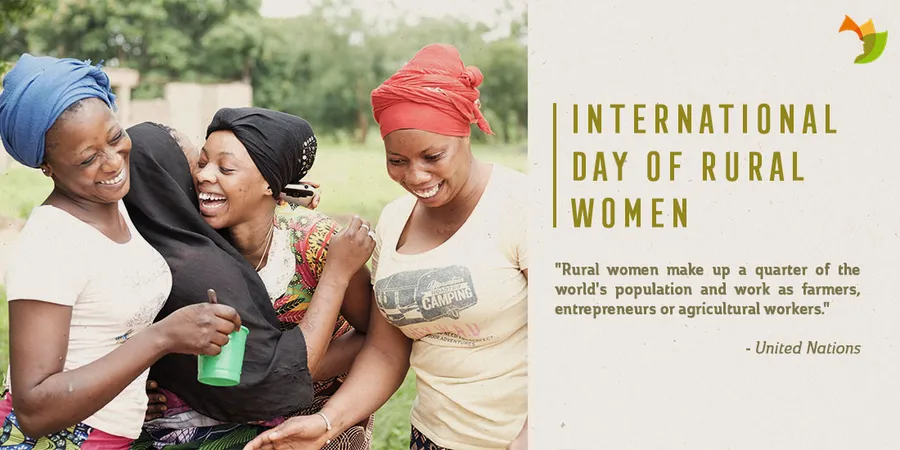
Did you know? "Rural women make up a quarter of the world's population and work as farmers, entrepreneurs or agricultural workers" United Nations.To celebrate the International Day of Rural Women (15 October) and World Food Day (16 October), COLEACP joins the UN in celebrating the resilience of rural women in the wake of Covid-19. The pandemic has affected most sectors, and many are still struggling to recover. Agriculture is no exception, especially the women in this sector. According to the UN, the impacts are "even more serious for women and girls, especially in rural areas"."The pandemic has increased inequalities around the world; the most vulnerable populations are once again the hardest hit, and not just in emerging countries" (Jeremy Knops, General Delegate, COLEACP). So COLEACP ensured that it could continue to operate in the face of this upheaval through its Covid-19 action plan. The focus includes women working in the agricultural sector, who contribute enormously to development, and are the first to be affected by this pandemic.COLEACP’s holistic and inclusive approach strives to highlight women in ACP countries who are committed to the sustainable and inclusive development of horticulture, as they contribute to agricultural production, food security and nutrition, and building adaptive capacity to climate change.Through its programmes, COLEACP supports women in the horticulture sector to build their capacity through training (group training and via our e-learning platform). We also provide support in business management and access to finance to address gender inequalities.A good example is Affiong Williams, CEO of Reelfruit, Nigeria, a company that creates new value chains by processing fresh fruit in value-added convenience products and like snacks, and building its own distribution network. ReelFruit works actively to empower women by introducing female farmers to high-value mango farming. It is supporting 45 women aged between 18 and 50, who have on average 3 children, to receive Global G.A.P. training on mango farming.You can see more examples of rural women entrepreneurs featured in the PAFO-COLEACP Innovation Series here. To rural women from all ACP countries, we wish you a good International Day of Rural Women. We can't encourage you enough. You are our heroes!
 News
News
Fruit Attraction 2021: Fit For Market support for COLEACP members and partners
From 5–7 October COLEACP, partner-beneficiaries from programmes and members took part in the trade fair Fruit Attraction 2021. The B2B event was a hybrid – both in-person and online – for the first time in 2021, presenting opportunities for more ACP horticultural businesses to take part. Exhibitors participated in-person with a stand, online through the LIVEConnect platform, or through a combination. This year the online platform LIVEConnect will remain open to bring the fruit and vegetable community together all year round, providing a meeting point for all professionals in the sector. It offers a space for networking, education and training, and promotion, and helps companies to make contacts and identify business opportunities.In 2021, for the first time, Fruit Attraction was held together with Fresh Food Logistics, an international fair for logistics, mobility, IT and cold chain management for fresh food. The key themes of the moment, tech and bio, were highlighted with a hall devoted to Biotech Attraction, and the hosting of the 4th Biofruit Congress. The Congress focused on the demand for sustainability, and there was a strong display of organic produce on many stands. The in-person event attracted 1,300 exhibitors from 43 countries. Overall (both in Madrid and online) the event attracted 65,000 participants from 108 countries. The list of exhibitors can be viewed here.Before the event, ACP businesses participated in coaching supported by the Fit For Market programme. 14 French-speaking participants from 12 companies, and 34 English-speaking individuals from 19 companies plus four business management organisations, took part in coaching on how to get the best out of the trade fair. The training and coaching was delivered remotely. We also invited 80 companies to take part in Fruit Attraction and offered them support to to log onto the platform. For COLEACP’s programmes’ partner-beneficiaries and members considering attending trade events, either in-person or online, new trade fair guides are available providing details about the main events, the business opportunities they present, the costs involved, and how visitors and exhibitors can maximise the value they gain from taking part.These activities are supported by the Fit For Market programme, implemented by COLEACP within the Framework of Development Cooperation between the Organisation of African, Caribbean and Pacific States (OACPS) and the European Union, and co-funded by the French Development Agency (AFD).
 News
News
Caribbean AgTech investment opportunities
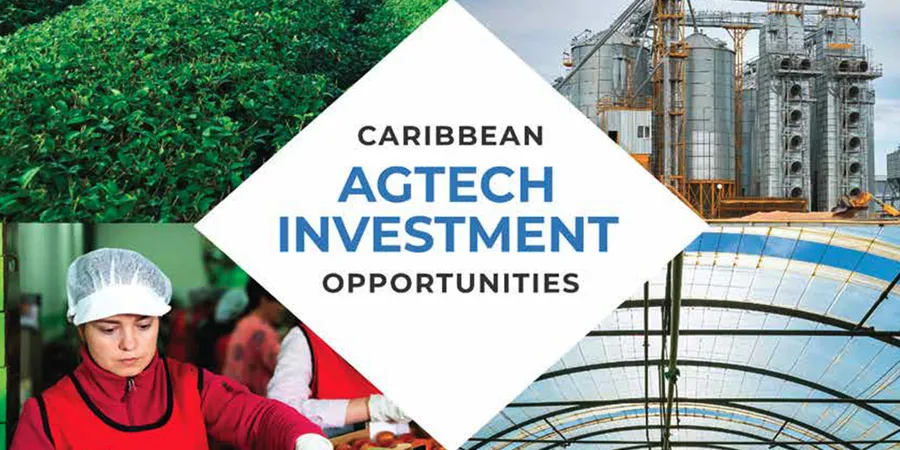
The first 2021 Caribbean AgTech Investment Summit explored the opportunities for agricultural technology companies in the Caribbean, welcoming over 500 registrants from 60 countries around the world. Introducing the event, Dr Irfaan Ali, President of Guyana, spoke of the Caribbean Community (CARICOM) e-agricultural strategy “to improve producers’ competitiveness, incorporate greater climate smart technologies in the production process, increasing intra-regional trade and improving market infrastructure and connectivity, especially for small producers” (Caribbean Export News, 6 October). This is a key part of the region’s broader plan to empower and increase the wealth of its farming communities, and a major platform in attracting international businesses. COLEACP DG Jeremy Knops gave a presentation during a session on “Expanding Agribusiness in the Caribbean through AgTech”, alongside contributions from Caribbean Export Development Agency (Caribbean Export), Caribbean Association of Investment Promotion Agencies (CAIPA), Caribbean Agribusiness Association (CABA) and Caribbean Private Sector Organisation (CPSO). A recording of the presentation is available here.The organisers and sponsors have published a catalogue – “Caribbean AgTech Investment Opportunities” – to inform potential investors about opportunities in the AgTech sector in each of the 23 CAIPA member states. The 3-day virtual event, held 5-7 October as part of the Caribbean Week of Agriculture, was convened by Caribbean Export in collaboration with the European Union and CAIPA. Sponsoring partners included CABA and COLEACP.This activity is supported by the Fit For Market and Fit For Market SPS programmes, implemented by COLEACP within the Framework of Development Cooperation between the Organisation of African, Caribbean and Pacific States (OACPS) and the European Union. Fit For Market is co-funded by the French Development Agency (AFD).
 News
News
COLEACP and partners supporting sustainable entrepreneurship
During September and October COLEACP collaborated with partners to present four online events, supported by the Fit For Market programme. With OECD: Fruit and Vegetables Industry Series: Session no. 1 On 14 September the OECD Fruit and Vegetables Scheme and COLEACP launched the Fruit and Vegetables Industry Series to highlight the significance of the sector in the context of the United Nations International Year of Fruit and Vegetables (#IYVF2021). The first joint session, with 220 participants, focused on “The fruit and vegetables industry: Market trends and prospects of a dynamic sector”, and offered an overview of trends and foresights in trade, new markets and the structure of the industry, with insights from policy, research and industry. Experts from the Organisation for Economic Co-operation and Development (OECD) and COLEACP gave presentations on trends in trade and consumption at global and ACP-EU levels, and on the application of international standards for fruit and vegetables. Philippe Binard, General Delegate of Freshfel, illustrated how stakeholders are organised as an industry sector. Frédéric Rosseneu, Corporate Business Development Manager of Greenyard Group; Tahina Randriarilala, Quality and Sustainable Development Manager at Lecofruit; Timothée Pélissier, Sales and Marketing Director at CFAO Retail-Carrefour Côte d'Ivoire; and Jeff Mahintach, Director of the Fruit & Vegetable, Flower & Plants sectors at U-Enseigne/FCD shared their insights on prospects for growth in the industry. You can view the session here. With The FoodBridge: African Diaspora Agrofood Forum 2021 – 5th edition Belgium-based NGO The FoodBridge organised the fifth African Diaspora Agrofood Forum and Exhibition with support from COLEACP and other partners (African Diaspora Projects Initiative, Sankaa, and Meise Botanic Garden).An online forum on “Recovery, resilience and sustainability: African diaspora agrofood entrepreneurship in a changing world” on 17 September was followed by 221 participants. During the forum, diaspora agricultural entrepreneurs (agripreneurs), policy-makers, funding organisations and other actors, including COLEACP’s Jeremy Knops, discussed the role of the African diaspora and global agribusiness. Experts on the first panel provided pinpointed the need for re-strategising policy-making for a post Covid-19 agri-food sector. The second panel, on African diaspora entrepreneurs as transnational stakeholders in African development, showcased diaspora entrepreneurs – who often originally trained in one field, but are now developing their skills and passions in the agri-food sector. The third panel highlighted initiatives that are innovating for growth in the African agrofood sector; and the fourth one focused on accessing resources for sustainable agrofood entrepreneurship. You can view the session here. With PAFO: Innovation Series: Session no. 6 On 30 September, the Pan-African Farmers’ Organization (PAFO) and COLEACP held their sixth joint Innovation Series session, on “Promoting sustainable agriculture and agroecological practices: the key role of MSMEs and farmers’ organisations”. The session, in French and English, reunited 356 participants from Africa, the Caribbean and Europe.PAFO and COLEACP support the transition towards more sustainable food systems that are able to preserve natural resources and adapt to climate change, while meeting the needs of growing rural and urban communities, and satisfying changing consumer demands. Agroecology is a key pathway to tackle the challenges currently facing humankind, as it encompasses the ecological, sociocultural, technological, economic and political dimensions of food systems, from production to consumption. Businesses Label d’Or and Jus Délices (Togo), Maungo Craft (Botswana), the Ferme-École Agroécologique de Kaydara (Senegal), and LONO (Côte d’Ivoire) illustrated how sustainable agriculture and agroecology contribute to the transition to food and agricultural systems that are environmentally sustainable, economically viable and socially equitable. You can view the session in English or French. With IICA: Caribbean Agrifood Business Series: Session no. 3 The Inter-American Institute for Cooperation on Agriculture (IICA) and COLEACP held the third session of the Caribbean Agrifood Business Series during the Caribbean Week of Agriculture (CWA2021) on 7 October. The session on “Post-Covid-19: Building stronger linkages between agriculture and tourism – the key role of SMEs and businesses” brought together 190 participants from the Caribbean, USA, Latin America, Africa and Europe. The event was translated simultaneously into French and Spanish, and livestreamed at CWA2021.As part of the post-Covid-19 recovery process, IICA and COLEACP aim to support sustainable tourism with enhanced links with agriculture and diversification of the economy, which offers new opportunities for micro, small and medium-sized enterprises (MSMEs) – in some cases more than 90% of tourism-related businesses.Businesses Belmont Estate (Grenada), D’Market Movers (Trinidad and Tobago), Caribbean Villa Chefs, and the Nevis Growers’ Co-operative (St Kitts and Nevis) illustrated how business survival in Covid-19 times requires adaptation, local sourcing and promotion of domestic tourism, as well as improving the quality and availability of local food. You can view the session in French, English or Spanish. These activities are supported by the Fit For Market programme, implemented by COLEACP within the Framework of Development Cooperation between the Organisation of African, Caribbean and Pacific States (OACPS) and the European Union, and co-funded by the French Development Agency (AFD).
 News
News
Cameroon: Launch of COLEACP R-SAT
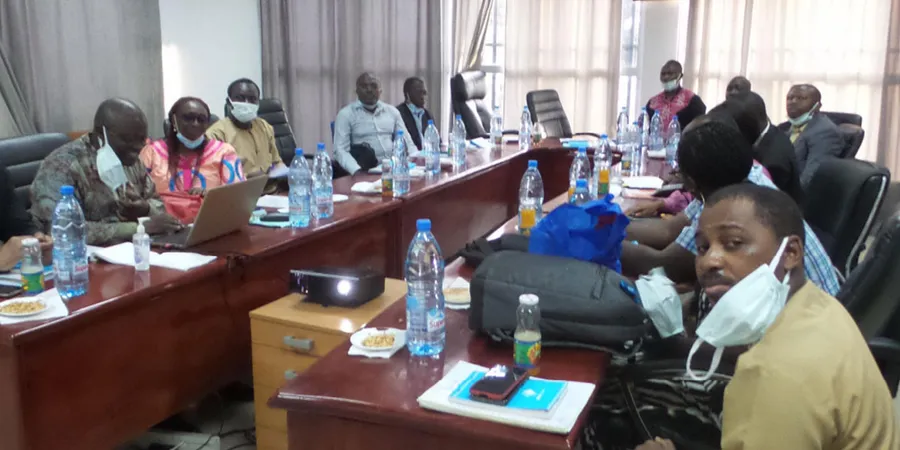
The first meeting of the working group for the implementation of the Rapid SPS Assessment Tool (R-SAT) in Cameroon took place on 30 September 2021 in Yaoundé, where a timetable and next steps were agreed upon. R-SAT has been developed by COLEACP to assist competent authorities, in consultation with key public and private sector stakeholders, to assess the status and functioning of SPS systems.COLEACP would like to thank the Director of the Department of Regulation and Quality Control of Agricultural Products and Inputs (DRCQ) for his availability and support, as well as all the DRCQ staff involved in the preparation of this session. The meeting was a success, particularly due to the quality of representatives of the different state and private structures.The next step is an evaluation of the SPS system for the mango sector (fresh and processed), using R-SAT in the field.This activity is supported by the Fit For Market SPS programme, implemented by COLEACP within the Framework of Development Cooperation between the Organisation of African, Caribbean and Pacific States (OACPS) and the European Union.
 News
News
Surinam: Closing event of the implementation of official controls training
COLEACP’s training on ‘Implementation of Official Controls’ in Suriname took place between 12 August and 3 September 2021. An eager group of 19 employees from the Suriname Ministry of Agriculture undertook this practical training.The focus was on the importance of international standards for phytosanitary measures in relation to mandates for phytosanitary control; phytosanitary inspection; the types of official controls; and organisation and procedures for official controls.To end on a high note, Ing. Parmanand Sewdien, Minister of the Ministry of Agriculture handed out certificates of achievement for this training to the participants.This activity is supported by the Fit For Market SPS programme, implemented by COLEACP within the Framework of Development Cooperation between the Organisation of African, Caribbean and Pacific States (OACPS) and the European Union.
 News
News
Côte d’Ivoire: Improving social practices at SCOPACI-SCOOPS
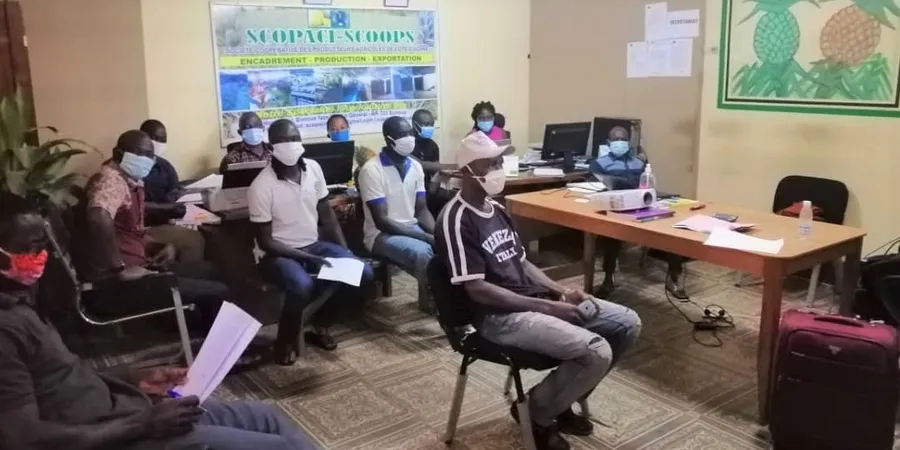
Since the collapse of the pineapple market in Côte d’Ivoire, producers have seen their earnings drop considerably. To improve the income of the country’s producers and all stakeholders in the value chain, the SCOPACI-SCOOPS cooperative, created in 2015, obtained certification in 2019 for organic farming, GLOBALG.A.P. (a set of standards for Good Agricultural Practices; with the support of COLEACP’s Fit For Market programme) and GLOBALG.A.P. Risk Assessment on Social Practice (GRASP).Also through its Fit For Market programme, COLEACP supported the cooperative in achieving Fair for Life certification in January 2020, thus ensuring fair and equitable working conditions for all its members and employees. Thanks to its commitment to Fair for Life certification, SCOPACI-SCOOPS has been able to distinguish itself from other operators in the area, where women may be paid 20% less than men. Since May 2021, the cooperative has raised the salaries of women to the same level as those of men. A system of paid leave has also been put in place.This activity is supported by the Fit For Market programme, implemented by COLEACP within the Framework of Development Cooperation between the Organisation of African, Caribbean and Pacific States (OACPS) and the European Union, and co-funded by the French Development Agency (AFD).
 News
News
Kenya: Training for extension staff on Bookkeeping/Cost–Benefit Calculations
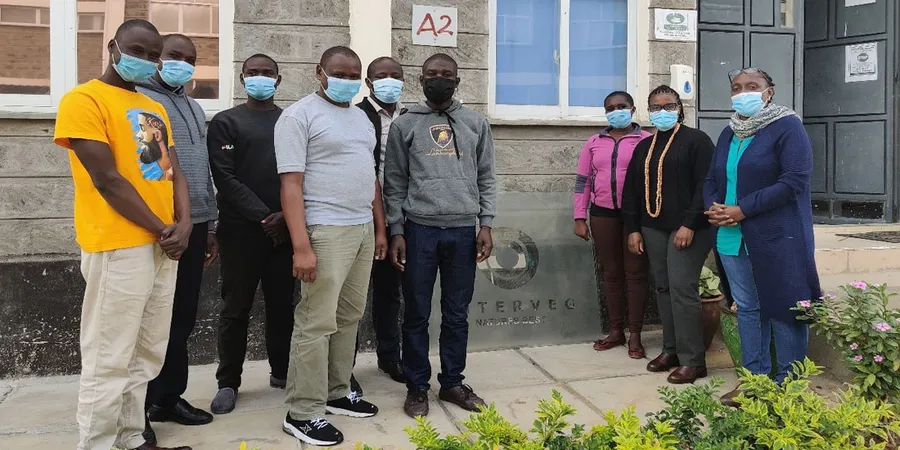
Extension staff of Interveg Ltd undertook the second phase of a training programme on “Bookkeeping and Cost–Benefit Calculations” in July 2021, at their premises in Export Processing Zone (EPZ) Athi River. The focus of this second session was on accounts operation. The first phase of the training was held in April 2021.At the end of the training, the participants are able to: identify production-related expenditures (by type and nature) and revenues of the French bean crop for an average company outgrower; recognise the largest expenditure items for the average outgrower and identify at which point in the production cycle these large expenditures occur; ascertain associated cash flows and be able to distinguish cash flows from profitability; monitor production expenses, revenues and income (expenses/income booklet) for an average outgrower; calculate key business performance indicators such as yield, turnover, gross margin, net margin, net profit or loss, rejection rates, total unit cost, variable unit cost, fixed unit cost, costs covered by the outgrower, costs covered by the company, to create simplified cash flow statements; and become familiar with the methodology to be used in delivering training sessions to a group of outgrowers, including for the production of training resources. Through role play exercises, the training sessions enabled participants to undertake and observe relevant real-life situations.This activity is implemented by COLEACP and supported by the NExT Kenya (New Export Trade) programme, established in collaboration with the EU Delegation in Nairobi and Kenyan stakeholders.
 News
News
Kenya: Digital collective training on GLOBALG.A.P. Standard
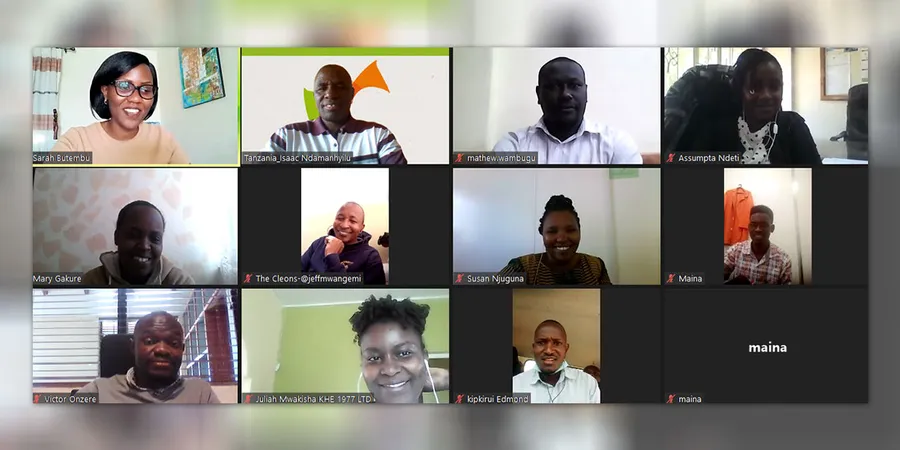
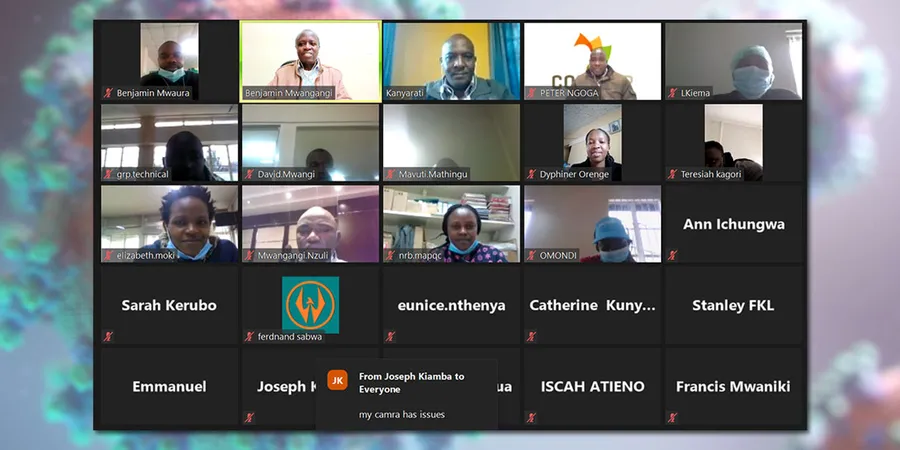
COLEACP organised a remote training course on “GLOBALG.A.P. Standard (Modalities and Checklist)” for partner companies of the NExT Kenya programme from 26 July to 27 August 2021. The training was directed toward companies/cooperatives that are either in the process of implementing GLOBALG.A.P. standards (a set of standards for Good Agricultural Practices) for the first time or are already managing the standards and need a refresher course for existing staff or training for new staff.The target audience for this four-week digital training included quality managers, production managers and packhouse managers.On completion of the training, the participants are able to: understand the genesis, advantages and challenges of GLOBALG.A.P. certification (the “why” question); be aware of the different GLOBALG.A.P. certification options (options I and II) and how to make a choice between them; understand the working of an internal control system (ICS) and quality management system (QMS) in the option II group certification set-up; understand the difference between internal inspections / internal audits and external inspections by certification bodies; be aware of the equipment, processes, budget and human resources implications of GLOBALG.A.P. implementation and certification; know the compliance criteria of the GLOBALG.A.P. checklists for individual farms and for QMS auditing, and what this implies for the trainee’s company; and understand what a National Technical Working Group (NTWG) is and be aware of National Interpretation Guidelines (NIG). Fourteen participants were selected for the training. The participants were from seven Kenyan horticultural MSMEs: Agrigate, Kenya Horticultural Exporters (KHE), Marja General Co Ltd, Jani Fresh, Instaveg, Athi Farms Exporters and Ngong Veg Ltd.This activity is implemented by COLEACP and supported by the NExT Kenya (New Export Trade) programme, established in collaboration with the EU Delegation in Nairobi and Kenyan stakeholders.
 News
News
Kenya: Digital collective training on COVID-19 for SMEs
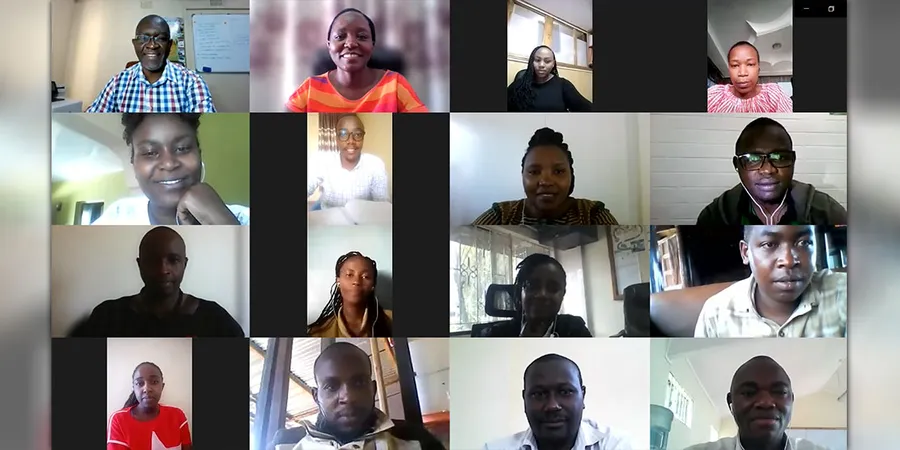
COLEACP organised a remote training course on “COVID-19” for partner companies of the NExT Kenya programme in July 2021. The target audience for this two-week digital training included quality and production managers of Kenyan horticultural SMEs. The training aimed at ensuring that people working throughout the value chain, from the field to the market, are able to work in complete safety in the context of the pandemic, thus allowing them to maintain a sufficient level of food production and affordable prices for all.For participants who had implemented a scheme under the British Retail Consortium Global Standards (BRCGS) and/or the GLOBALG.A.P. (a set of standards for Good Agricultural Practices), the following objectives have been achieved. Awareness of how private voluntary standards can be adapted to the pandemic situation and understand the impact this has on companies and cooperatives. Knowledge of the new BRCGS requirements and being able to adapt company practices accordingly. Knowledge of the GLOBALG.A.P. requirements and being able to adapt company practices accordingly. Sixteen participants successfully completed the training. The participants were from six Kenyan horticultural SMEs: Frigoken, Kenya Horticultural Exporters (KHE), Flamingo, Cathy Safe Foods, Vert Ltd and Elmas Greens.This activity is implemented by COLEACP and supported by the NExT Kenya (New Export Trade) programme, established in collaboration with the EU Delegation in Nairobi and Kenyan stakeholders.
 News
News
Kenya: Digital collective training on Food Safety Quality Management System
COLEACP organised a remote training course on “Food Safety Quality Management System” for partner companies of the NExT Kenya programme from 26 July to 27 August 2021. The target audience for this four-week digital training included technical staff (quality managers, packhouse managers and internal auditors) in charge of compliance within horticultural production companies and producer groups. The training was directed toward staff in exporters’ associations that assist their member companies with the implementation of food safety standards.At the end of the training sessions, participants are expected to have achieved the following specific objectives: understand and explain the importance of food safety management and its relevance; know the principles of food safety management (regulatory requirements, standards, quality manual redaction, documentary management, regulatory monitoring, etc.); understand and apply good hygiene practices (hygiene throughout the sector, packhouse organisation, self-assessment principles, etc.); understand and apply the principles of traceability (objectives and elements of a traceability system, tools, practical implementation, etc.); describe the advantages of implementing a food safety management system in participants’ own marketing and production context. list the main elements of a food safety quality management system (regulatory requirements, standards, quality manual redaction, documentary management, regulatory monitoring, etc.); list the main food safety quality management standards used in horticulture, their scope, and the markets that require these standards; and list the main building blocks of a functional food safety quality management system (internal versus external audit, training, quality manual, equipment, hygiene, crop protection traceability, etc.). A group of 21 trainees participated in the course. The participants were drawn from 11 Kenyan horticultural MSMEs: Mofarm Ltd, Kenya Horticultural Exporters (KHE), Marja General Co Ltd, Jani Fresh, Instaveg, Athi Farms Exporters, Flamingo, Association of Kenya Mango Traders, Suera Ltd, Equatorial Hortifresh Ltd and Markgrown Enterprises.This activity is implemented by COLEACP and supported by the NExT Kenya (New Export Trade) programme, established in collaboration with the EU Delegation in Nairobi and Kenyan stakeholders.