
Cultivating
Sustainable Futures
 News
News
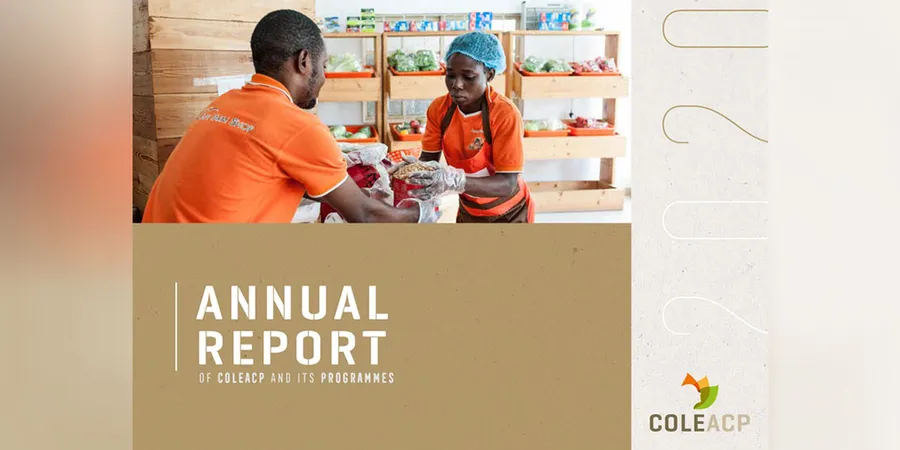
Just published: COLEACP Annual Report 2020
The Annual Report 2020 of COLEACP and its programmes is now online here. The report focuses on the digitalisation of our activities. In 2020 Covid-19 made our daily lives more fragile – but also accelerated our activities, our local anchoring, and our use of digital tools. We have continued to deliver the planned support to our partners across the OACPS countries by helping to mitigate the negative impacts of Covid-19 on their production and marketing of horticultural products.
 News
News
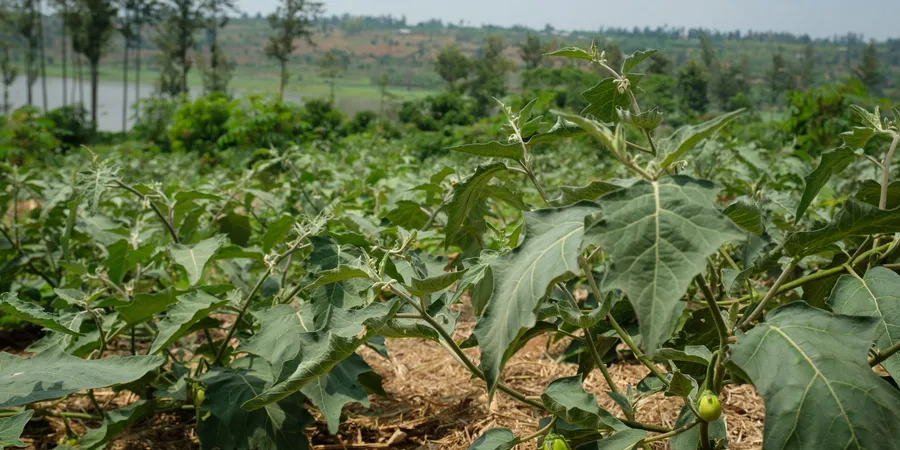
IFOAM Survey on Pesticide Residues
 News
News
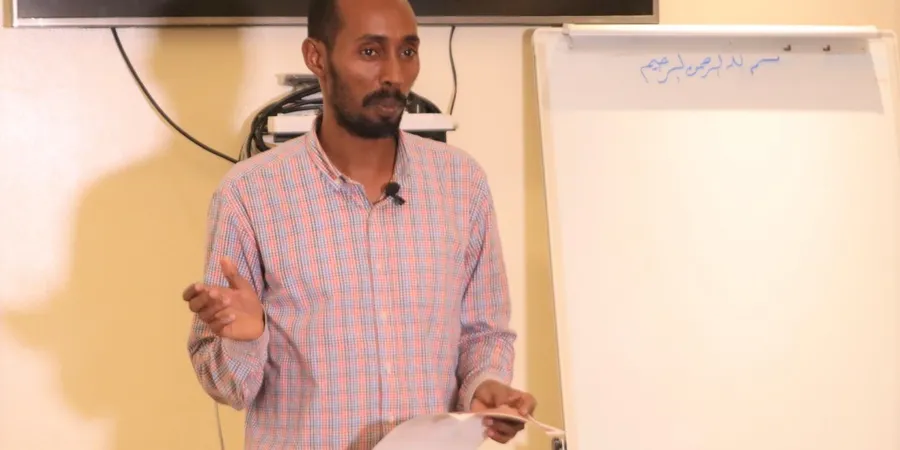
Somalia: COLEACP training for Jubba Agro
Technical staff of Jubba Agro (Somalia), undertook remote learning from a senior Ghanaian COLEACP expert, Mark Tutu Sarpong. The training focused on food security and good agricultural practices while also cascading training on good pedagogical dissemination practices using COLEACP field technical workshop methodology. The trainees were asked to produce engaging pedagogical content and deliver practical sessions to their peers. The field workshop methodology developed by COLEACP has been designed around specific subjects in order to help the target audience understand, in a clear and pictorial way, the good practices to be respected throughout the production process so that the product complies with standards and regulatory requirements.Jubba Agro is an importer and supplier of farm machinery in Somalia – tractors, implements, attachments, farm accessories and inputs.He works with many producers and is a farmer himself.This activity is supported by the Fit For Market programme, implemented by COLEACP within the Framework of Development Cooperation between the Organisation of African, Caribbean and Pacific States (OACPS) and the European Union, and co-funded by the French Development Agency (AFD).
 News
News
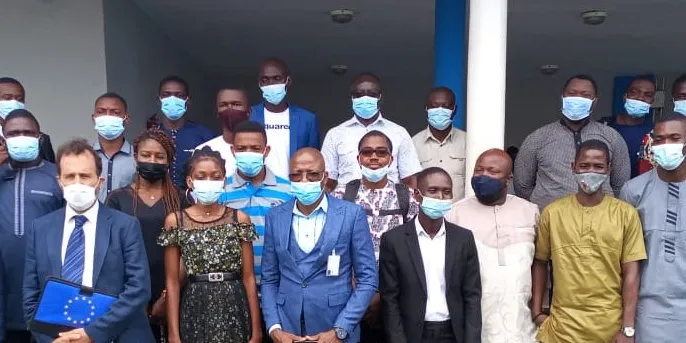
Togo: young people honoured at closing of “Incubator for technical managers” project
The closing event of the “incubator for technical managers” project, implemented in Togo from June 2020 to February 2021, took place on 10 June 2021. The project was set up by COLEACP in collaboration with Togolese companies in the framework of the Standards and Trade Development Facility (STDF) Togo Project. Other partners who were involved in the occasion included the European Union Delegation, the German development agency (Deutsche Gesellschaft für Internationale Zusammenarbeit, GIZ), the Plant Protection Directorate (DPV) of Togo and Association des Producteurs, Transformateurs et Exportateurs de Légumes et Fruits du Togo (APROTELF). After official speeches and testimonies from the different stakeholders, including expert trainers, the 22 young participants in the project all received their certificates with COLEACP team members joining via Zoom.
 News
News
Guinea: workshop to launch the development of the Good Practice Guide for the potato sector.
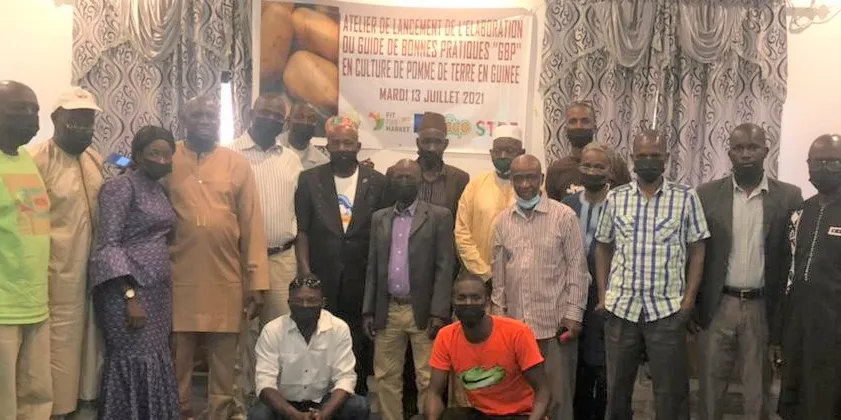
A national workshop consultation for stakeholders in the Guinean potato sector was held in Mamou on 13 July, as part of the development of the Good Practice Guide (GPG) for the value chain of this commodity.This workshop brought together more than 20 participants from the main farmers’ organisations in the sector (Fédération des Paysans du Fouta Djallon, FPFD; Union des Groupements Agricoles de Labé, UGAL; Union des Groupements Agricoles de Soumbalako, UGAS), the private sector, partner projects (the Belgian development agency, ENABEL), representatives of national NGOs (ECOR), Bareng Agricultural Research Centre and the National Directorate for Plant Protection and Stored Foods.Initiated by COLEACP, within the framework of the projects implemented in Guinea (STDF/498 and FFM-SPS) in collaboration with its operational partners, this meeting addressed the activities to be carried out within the framework of the elaboration of the GPG.Chaired by the Governor of the administrative region of Mamou, represented by Mamadou Diao Diallo, Regional Director of Agriculture, accompanied by the Regional Director of Plant Protection, the launch of the project began with optimism. Mamadou Diallo underlined the availability of the authorities at all levels to support the development of the GPG.The representative of Union des Groupements Agricoles (UGAS), Diogo Bah underlined the interest of the elaboration of such a Guide which will allow the sector to improve the quality of their products and to be more competitive in the subregional market.br>National experts trained by COLEACP presented on the essential objectives of the GPG which aims to: (i) facilitate compliance of practices and products; (ii) facilitate recognition of compliance with standards and regulatory requirements; (iii) facilitate dialogue and exchange of practices within the sector; and (iv) provide an educational tool.The next steps in the development of the GPG were discussed by the experts present, namely field surveys and an inventory of the regulations and SPS standards relevant to the sector; analysis of practices, hazards, and identification of control measures; the development of a draft GPG; and the final dissemination of the GPG.The experts stressed that this GPG will help the different actors working in potato production to produce them using appropriate SPS measures and achieving an optimal commercial quality of the product by harmonising the current specifications with international standards and commercial quality criteria adopted by the markets.As a result of the workshop, the structures and resource persons who are members of the Steering Committee (COPIL) and the Technical Group were selected.More information on the phytosanitary problem in Guinea Conakry.This activity was organised within the framework of the Project to strengthen the phytosanitary monitoring and certification system in Guinea, supported by the Standards and Trade Development Facility (STDF) project and implemented by COLEACP. This is also supported supported by the Fit For Market and Fit For Market SPS programmes, implemented by COLEACP within the Framework of Development Cooperation between the Organisation of African, Caribbean and Pacific States (OACPS) and the European Union. Fit For Market is co-funded by the French Development Agency (AFD).
 News
News
Next Kenya programme meeting with Machakos county Government
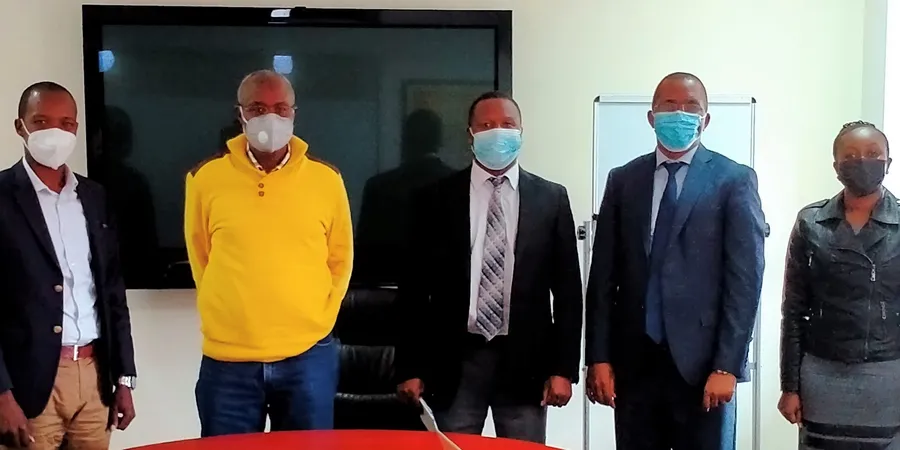
COLEACP’s NExT Kenya (New Export Trade) programme has held a consultation meeting with the Machakos County Government through the Department of Trade, Industrialization and Innovation (DoTII), to discuss the potential areas of support to the county through the programme. The meeting took place on 19 July at COLEACP’s Nairobi implementation office.Present at the meeting were: Dr Chagema Kedera, NExT Kenya Programme Coordinator; Bruce Chemjor, COLEACP Project Manager; Dr James Mutuku Mutunga, DoTII, Machakos County Government; Dr Muema Wambua, Director, Department of Trade, Industrialization and Innovation (DoTII), Machakos County Government; and Tinnah Kiio, Assistant Director, Investment Promotion, DoTII, Machakos County Government.
 News
News
Workshop to launch drafting of good practice guide for leafy vegetables in Togo
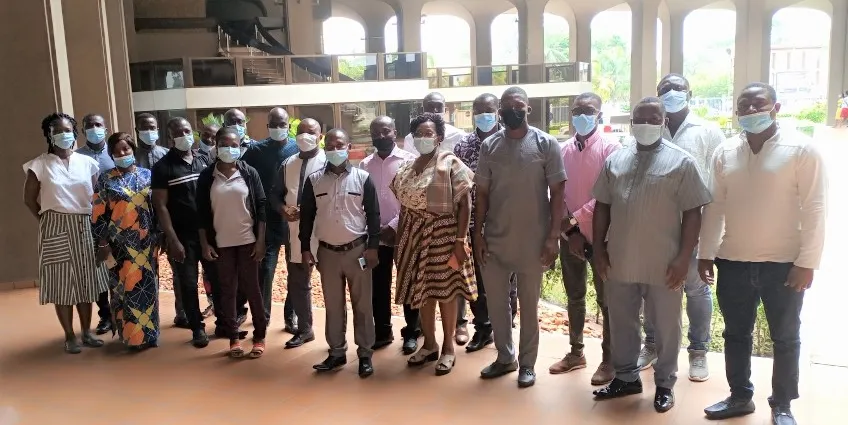
On 9 July, a launch workshop was organised in the framework of the drafting of a sectoral guide of good practices for the leafy vegetable value chain in Togo.This meeting, which brought together about 50 participants from different organisations (APROTELF, DPV, DFV, ICAT, ITRA, FENOMAT, companies), aimed on the one hand to raise awareness among stakeholders on the objectives and interest of a guide for the leafy vegetable sector in Togo; and on the other hand, to present the draft guide (content and structure).
 News
News
Mali: Mango exporter ETS Yaffa & Frères benefits from a business loan
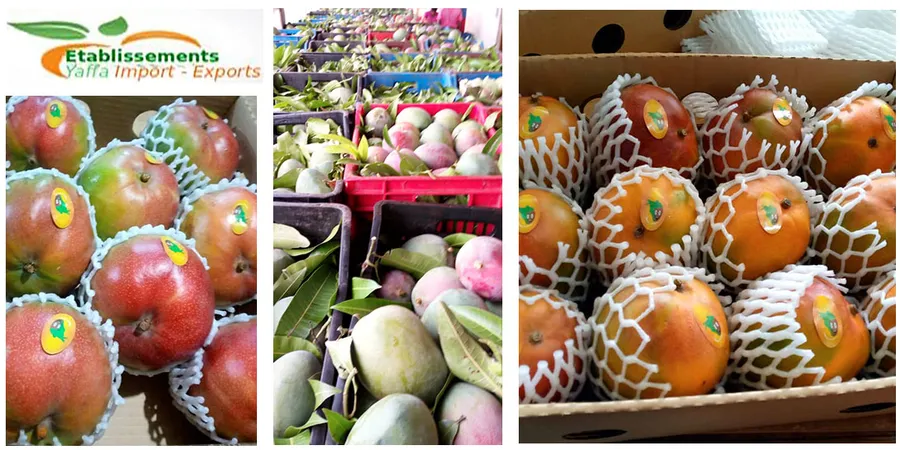
The ABC Fund (Agri-Business Capital) recently provided loans to three African agri-businesses to support their working capital needs and expansion, enabling higher rural employment and securing market access for farmers in their respective sectors (African Farming, 3 June). Image source : ETS Yaffa et Frères One of the successful companies is COLEACP member Etablissement Yaffa & Frères, one of the largest local fresh mango exporters in Mali.Yaffa has been a member of COLEACP since 2007, and over the past 12 years has received technical and training support from COLEACP programmes to obtain and maintain organic farming certification, GLOBALG.A.P. certification, and the Business Social Compliance Initiative (BSCI) workplace standard. Since 2019 Yaffa has been working with COLEACP’s Business Development service on the first revision of its business plan, and on how to approach global investors. In February 2020, during the Fruit Logistica trade show in Berlin, COLEACP introduced the company’s Managing Director to Injaro Investments Limited, the ABC Fund’s investment advisor. With prior consent from Yaffa, information was shared with Injaro on the current partnership with COLEACP – technical activities, sustainability report (based on COLEACP’s Sustainability Self Assessment System), business support provided so far, training received, and the current status of Yaffa’s individual action plan, signed in October 2018. Yaffa’s application was successful, and the company has now received ABC Fund financing of €250,000 in working capital to purchase mangoes and cover related export costs to meet increasing European demand for the product. The financing will enable Yaffa to increase its sales, and to continue buying mangoes from 310 farmers and employing 200 seasonal workers at its packaging site. Solène Prince-Agbodjan, Injaro’s Investment Director, commented on the three loans: “Given the challenges caused by the global pandemic, we are pleased to have approved these loans in time to meet the seasonal working capital needs of these agri-businesses which are all important contributors to West Africa’s rural economies. We commend the business owners and the team members for their hard work and persistence that made this possible. We look forward to a long and impactful relationship between these promising businesses and the ABC Fund.” Two of the three ABC Fund loans are in the mango sector (the second is to ROCFED in Côte d’Ivoire), and enable the provision of financing to SMEs that usually do not have access to local finance. Financial institutions are generally reluctant to finance mango activities due to the short harvest season of only 3–4 months a year. ETS Yaffa & Frères is a Malian company that produces and exports fresh mangoes. The mangoes are packed in Bamako, in the company’s own station and in the Plaza joint station. Yaffa exports most of its produce (67%) to Europe (France and the Netherlands), 30% to the regional market (Morocco and Gabon), and 3% on the local market. The company is GLOBALG.A.P. and GRASP certified. Yaffa is planning to set up a modern orchard, to install a cold room, and to build a large fruit processing unit for the export market. The processing unit is intended to produce dried mango and mango juice, and other fruits. The ABC Fund (Agri-Business Capital) is a blended-finance impact fund which provides catalytic financing to underserved yet profitable segments of agribusiness value chains in developing countries. This business support is provided through the Fit For Market programme, implemented by COLEACP within the Framework of Development Cooperation between the Organisation of African, Caribbean and Pacific States (OACPS) and the European Union, and co-funded by the French Development Agency (AFD).
 News
News
Africa’s Covid-19 resurgence and COLEACP’s response
On 8 July 2021, the World Health Organization (WHO) Regional Office for Africa reported that during the seven days to 4 July the continent saw its worst pandemic week ever (WHO Africa, 8 July 2021). Source: Africa CDC Outbreak Brief #78, 13 July 2021Sixteen African countries are now in resurgence, with Malawi and Senegal added to the list most recently. The Delta variant has been detected in 10 of these countries. According to Dr Matshidiso Moeti, WHO Regional Director for Africa, “The end to this precipitous rise is still weeks away. Cases are doubling now every 18 days, compared with every 21 days only a week ago.”The 50 million vaccine doses administered on the continent to date account for just 1.6% of doses administered globally. Sixteen million, or less than 2%, of Africans are now fully vaccinated. But much larger Covid-19 vaccine deliveries are expected to arrive in July and August.The New York Times (8 July 2021) reports that the third wave is impacting countries mainly in southern and eastern Africa, and one country in North Africa — Tunisia — is experiencing its fourth wave. Namibia, a nation of just over 2.5 million people, has been recording more than 1,000 new cases a day. A spike in cases in Zambia has pushed the government to restrict social gatherings and close schools. In Uganda, which was praised for its initial virus response, hospitals have been stretched thin. Rwanda restricted movement in its capital in late June, and Kenya has instituted partial lockdowns and extended curfew hours in over a dozen counties. New impact on Africa’s rural areas But unlike the previous waves, this new surge of the virus is penetrating Africa’s rural areas, where most of the continent’s people live, spreading to areas that once had been viewed as safe havens from infections that hit cities particularly hard (Associated Press, 30 June 2021). In Zimbabwe, for example, three of the four districts under strict lockdown and declared as epicentres of the outbreak are in the predominantly rural Mashonaland West province. Dr Johannes Marisa, president of the Medical and Dental Private Practitioners of Zimbabwe Association, said “Covid-19 is now coming from the rural areas.” He attributes the spike to “a high degree of complacency,” a lack of information and few vaccinations, and the prioritisation of urban areas.In response to this resurgence, Dr Moeti says that “We can still break the chain of transmission by testing, isolating contacts and cases and following key public health measures” (WHO Africa, 8 July 2021). COLEACP’s Covid-19 Action Plan This action plan is issued within the Framework of Development Cooperation between the Organisation of African, Caribbean and Pacific States (OACPS) and the European Union. Our aim since the start of the pandemic has been to increase the resilience of ACP MSMEs so they can protect the health and safety of employees, workers, producers and their communities; safeguard livelihoods; and contribute to food security and nutrition. Building on current activities under its two Fit For Market programmes, COLEACP’s Covid-19 Action Plan focuses on five key areas:
 News
News
News Digest: Brexit
The European Commission has put forward a balanced package of measures to address some of the most pressing issues related to the implementation of the Protocol on Ireland and Northern Ireland. First, the EC takes note of the UK's request, via separate unilateral statements, to extend a grace period for the movement of chilled meats from Great Britain to Northern Ireland until 30 September 2021. Second, the Commission has put forward solutions in a number of areas, including for the continued supply of medicines. These solutions help to ensure that the application of the Protocol impacts as little as possible on the everyday life of communities in Northern Ireland.Source: European Commission, 30 June 2021
 News
News
Cameroon: Group training on safe use of pesticides in the Loum basin
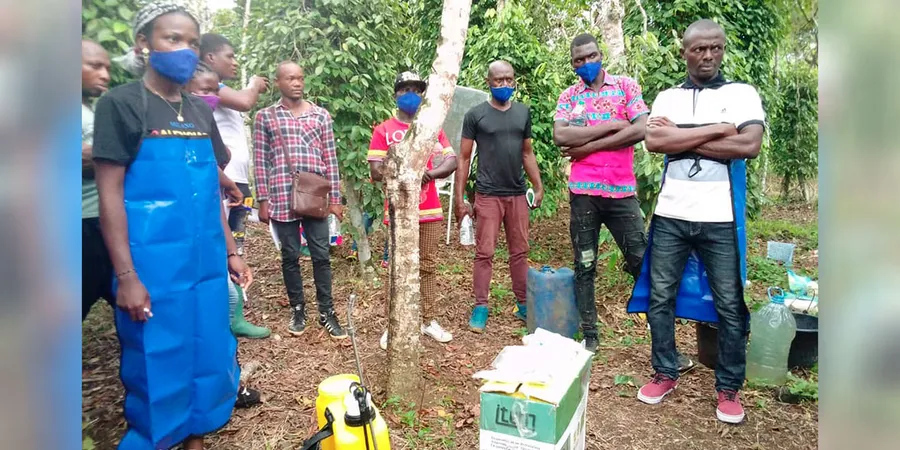
On 14 and 15 July, COLEACP organised group training on the "Safe Use of Pesticides" for plant protection product applicators in the Loum basin. This training is part of the Standards and Trade Development Fund (STDF) project "Improvement of the sanitary and phytosanitary quality of Penja pepper in Cameroon to facilitate access to international markets" (STDF/PG/593).Following this training, the participants are now able to carry out treatments according to good phytosanitary practices and to carry out the instructions: during dosing and before, during and after application, including the management of empty packaging regarding safety equipment on personal hygiene and equipment. This technical and practical training took place in the classroom and in the field, using the educational animations developed by COLEACP.Other training sessions will be held in the coming weeks in other production basins in order to train a maximum number of technicians on good phytosanitary practices for Penja pepper.As a reminder, sustainable intensification is at the heart of COLEACP's programmes. It increases productivity while making a positive contribution to climate, ecosystems and the environment. We promote integrated pest management (IPM) and help producers control pests while minimising negative impacts on humans and the environment. Where plant protection products (PPPs) are an important part of an IPM system, COLEACP ensures that growers have access to appropriate, least harmful products and that they can use them safely.This activity was organised within the framework of the Project to improve the sanitary and phytosanitary quality of Penja pepper in Cameroon, supported by the Standards and Trade Development Facility (STDF) project and implemented by COLEACP.
 News
News
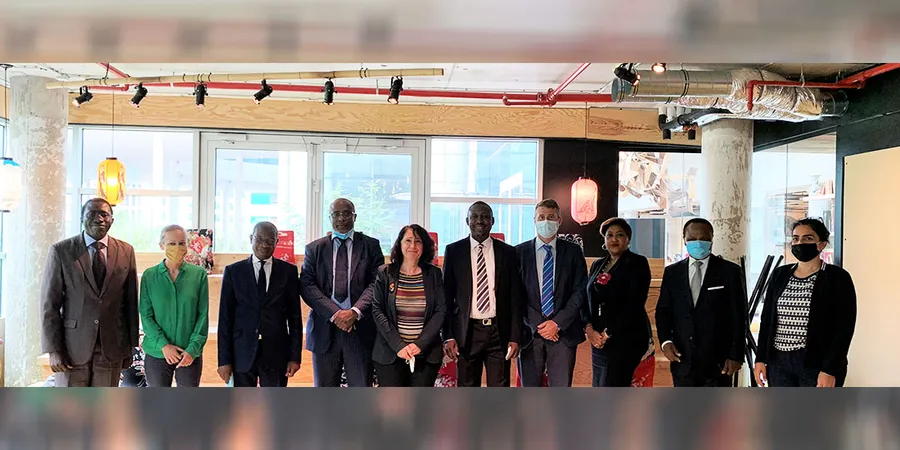
Côte d'Ivoire Delegation and COLEACP meeting in Brussels
On 12 July, a working meeting between the Côte d'Ivoire Delegation and COLEACP gave the association the opportunity to present its activities and priorities related to the agriculture and agri-food sector in Côte d'Ivoire, a key partner country for COLEACP, and to discuss its support to the planned EU-West Africa (EU-WA) business forum. COLEACP was represented by Jeremy Knops, General Delegate; Nursel Gumusboga, Regional Programme Manager; and Isolina Boto, Head of Networks and Alliances.Composed of representatives of Côte d'Ivoire and representatives of the Embassy of Côte d'Ivoire in Belgium, the delegation from Côte d'Ivoire was led by Kalilou Sylla, Director of Cabinet of the Delegate Ministry in charge of African Integration; H.E. Wautabouna Ouattara, Ambassador, Director General of African Integration; Sandra Isabelle Folquet, Director, Head of the ECOWAS National Office; Liliane Coulibaly, Minister-Counsellor, Embassy of Côte d'Ivoire in Brussels; Waoti Seydou Toure, Commercial Counsellor, Embassy of Côte d'Ivoire in Brussels; and N'vadro Bamba, Counsellor in charge of bilateral issues with Belgium and issues related to ECOWAS, at the Embassy of Côte d'Ivoire in Brussels.The exchanges were very fruitful and will be followed by technical meetings to collaborate on upscaling food processing, the strengthening sanitary and phytosanitary systems (SPS), market access, and a range of services including training, technical support and B2B.