
Cultivating
Sustainable Futures
 News
News
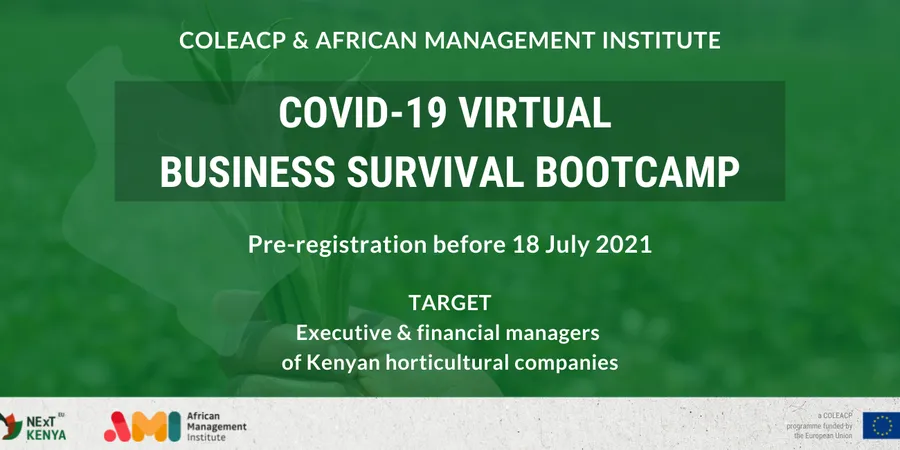
COVID-19 virtual business survival bootcamp in Kenya
The COVID-19 pandemic has had a major impact on international trade particularly on the fruit and vegetable sector in the ACP States. In order to support companies in coping with the crisis, COLEACP in collaboration with the African Management Institute are proposing ""Business Survival Bootcamps"".The aim of the bootcamp is to provide companies with practical tools to plan and cope with the challenges resulting from the consequences of the pandemic. The bootcamp will include: A 90-minute interactive webinar led by AMI's expert presenters, and complemented by COLEACP experts. Temporary online access for two weeks to practical tools to help you implement what you learned in the webinar. The opportunity to network with other entrepreneurs who are also trying to meet the challenges of COVID-19. Companies wishing to participate in the bootcamp must complete a pre-registration form by 18 July at the latest. The form is available here: Business Survival Bootcamp - 21 July at 10:00 am E.A.TThis activity is implemented by COLEACP and supported by the NExT Kenya (New Export Trade) programme, established in collaboration with the EU Delegation in Nairobi and Kenyan stakeholders.
 News
News
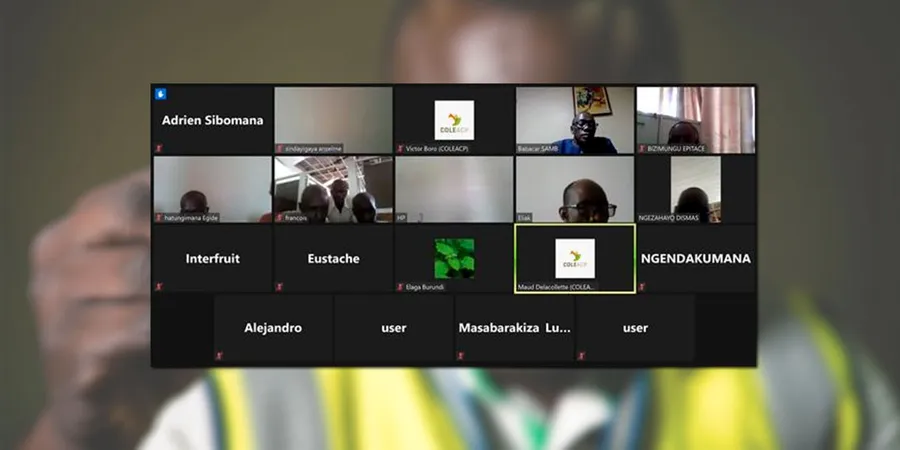
Virtual information workshop on the new EU SPS regulation
COLEACP organised, in collaboration with the Ministry of Environment, Agriculture and Livestock of Burundi (MINEAGRIE) and the Federal Chamber of Commerce and Industry of Burundi (CFCIB), a virtual information workshop on the new EU SPS regulation on 25 June. The objective of the workshop was to inform and sensitise public and private stakeholders in the Burundian horticultural sector on the SPS regulatory requirements for exports of horticultural products to the EU, and to set up a public-private working group that could define priority actions to be taken to improve the Burundian national SPS system. 25 representatives of companies active in the fruit and vegetable sector and other structures were present. These included the EU Delegation in Burundi, the Plant Protection Directorate, the Burundi Organic Agricultural Movement (BOAM), and the Interprofession des fruits du Burundi (IPFB). This activity is supported by the Fit For Market SPS programme, implemented by COLEACP within the Framework of Development Cooperation between the Organisation of African, Caribbean and Pacific States (OACPS) and the European Union.
 News
News
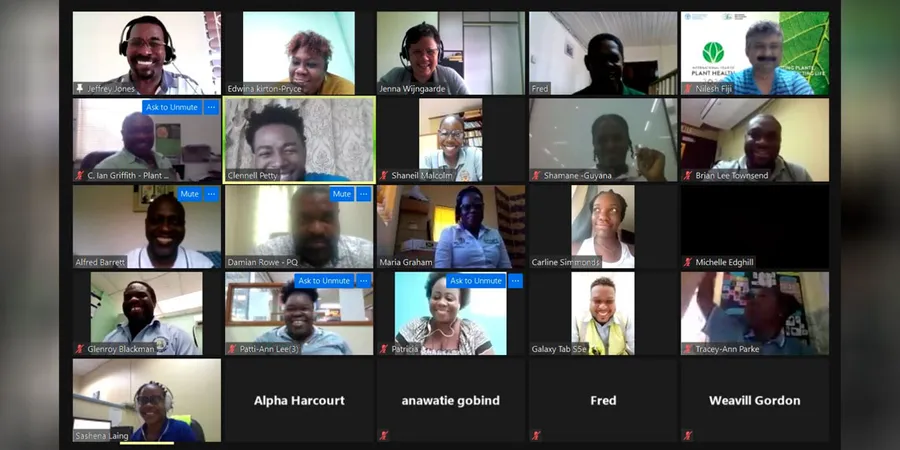
Caribbean: Participatory training on implementation of official controls
In June, a third virtual training course on implementing official controls was provided for inspectors in the Caribbean. Inspectors from Antigua and Barbuda, Barbados, Guyana and Jamaica took part in the training, which involved eight interactive Zoom sessions, including participatory group assignments and presentations. A special session was also provided in Dutch for Suriname, with a blended programme of face-to-face and digital training. The 24 participants’ different experience and knowledge provided opportunities for sharing and learning, including via a WhatsApp group. During the online sessions participants freely made interventions and inputs, which helped to generate lively discussion of issues across the groups.
 News
News
News digest: Agri-food markets and production
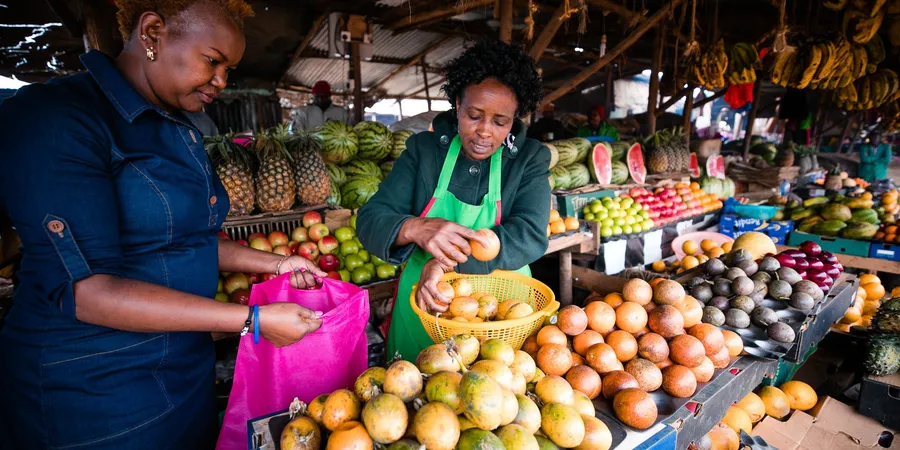
A report from the International Air Transport Association (IATA) notes that air cargo demand is increasing by 12% a year. North American Airlines, and airlines in all other regions (Middle East, Africa) except for Latin America, contributed to this growth. The capacity is almost 10% below pre-Covid-19 levels due to the ongoing grounding of passenger aircraft. But freighters are continuing to be used in order to compensate the lack of available belly capacity. The supply chain dynamics remain supportive for air cargo, and the competitiveness against sea shipping has improved. According to IATA, air cargo rates have stabilised since reaching a peak in April 2020, while shipping container rates remain relatively high.Source: Eurofruit, 8 June 2021
 News
News
News digest: Covid-19
Weeks of disruption at one of the world’s largest container terminals in southern China have put a huge strain on the already-stretched global shipping industry, worsening supply chain delays around the world. Yantian terminal in Shenzhen closed for almost a week in late May after port workers tested positive for Covid-19. Weeks later, productivity has only recovered to about 70% of normal levels. The situation exposes the vulnerability of global shipping to future delays if even relatively minor outbreaks occur in Chinese port cities. Maersk, the world’s largest container shipping line, said that the trend is "worrying", and that "unceasing congestion is becoming a global problem".Source: Fresh Fruit Portal, 23 June 2021
 News
News
Senegal: COLEACP training for ANCAR trainers in the Niayes zone
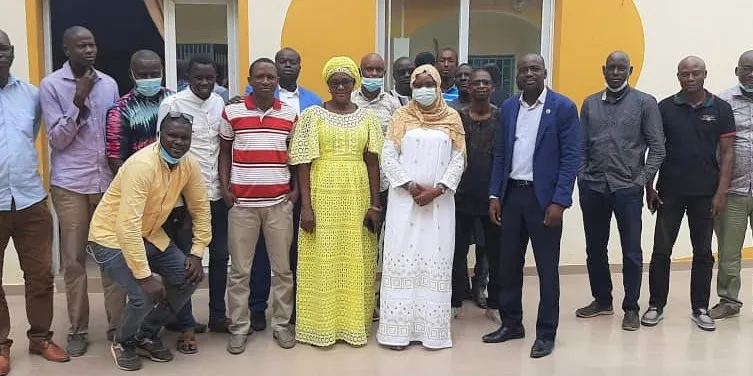
In Thiès, in the Niayes area of Senegal, COLEACP and the Agence Nationale de Conseil Agricole et Rural (ANCAR) are organising a training course on crop protection and the safe use of pesticides for ANCAR supervisors.This training is based on the "Animations Pédagogiques" method developed by COLEACP. This method has been designed around specific subjects in order to help the target audience understand, in a clear and pictorial way, the good practices to be respected throughout the production process so that the product complies with standards and regulatory requirements. At the end of this training, participants will be able to sensitise and train supervisors and producers in good practices, particularly on how to: identify crop pests choose an appropriate and sustainable pest management method apply the chosen control method in a way that does not endanger the operator, the consumer or the environment understand the risks associated with the use of plant protection products adopt practices to reduce these risks conduct short training sessions themselves using interactive training activities. Sustainable intensification, which is at the heart of COLEACP's programmes, increases productivity while making a positive contribution to climate, ecosystems and the environment. We promote integrated pest management (IPM) and help producers control pests while minimising negative impacts on humans or the environment. Where plant protection products (PPPs) are an important part of an IPM system, COLEACP ensures that growers have access to appropriate products that are as safe as possible, and that they can use them safely.ANCAR is involved in a cross-cutting and global manner in all issues concerning plant, animal and forest production, the environment, and all rural activities related to production, including supply, credit, marketing, processing and handicrafts. It was given the mission by the Republic of Senegal to develop and implement a new approach to agricultural and rural consultancy.ANCAR was created within the framework of the Programme des Services Agricoles et des Organisations de Producteurs (PSAOP), established in 1999 by the Republic of Senegal in partnership with the World Bank to be the main agricultural and rural advisory structure.We wish ANCAR participants and COLEACP experts a very good training experience.This activity is supported by the Fit For Market SPS programme, implemented by COLEACP within the Framework of Development Cooperation between the Organisation of African, Caribbean and Pacific States (OACPS) and the European Union.
 News
News
Use of the IPPC Hub – ePhyto in ACP countries
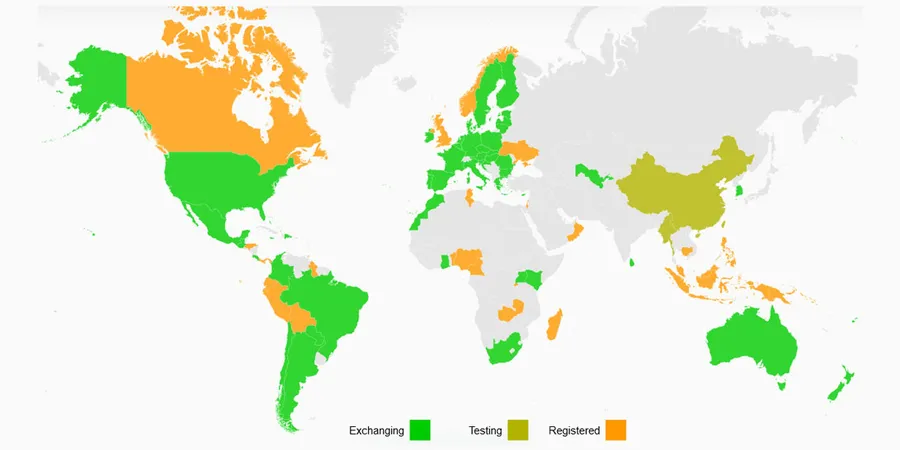
Image source: IPPC ePhyto Solutions (ephytoexchange.org)On 28 June COLEACP held an e-meeting on the use of the IPPC’s ePhyto (electronic phytosanitary certificate) in ACP countries. The aim was to give an overview of this tool to secure and facilitate exchanges of certificates between National Plant Protection Organisations (NPPOs).The IPPC ePhyto Solution consists of three main elements: A central server (Hub): to facilitate the transfer of electronic phytosanitary certificates between NPPOs, either from and to their own national electronic system or by using the generic system described below. A Generic ePhyto National System (GeNS): a web-based system that can produce and receive ePhytos, to allow countries that do not have a national electronic system to produce, send and receive ePhytos. Harmonisation: the structure and transmission of ePhytos will follow a harmonised format through the use of standardised mapping, codes and lists.You can access the following presentations:Use of the IPPC HUB - ePhyto in ACP countries Dr Hélène Klein, Head of Sector TRACES-IMSOCGlobal momentum for electronic phytosanitary certificates – Ensuring implementation for everyone Nelli Hajdu, Director Trade Policy and Business Development, Freshfel EuropeUse of GeNS / ePhyto – the Kenyan experience and demonstration on how to make an ePhyto Josiah Syanda, Kenya Plant Health Inspectorate Service (KEPHIS)Use of GeNS / ePhyto – the Ugandan experience Remico Kibago, Ugandan NPPO representativeGlobal Alliance support to countries for ePhyto implementation Amine Belkhadir, Global Alliance for Trade FacilitationIf you wish to obtain support for the implementation of your ePhyto project, do not hesitate to contact our colleagues at the Global Alliance for Trade Facilitation: Amine.belkhadir@weforum.orgThis activity is supported by the Fit For Market SPS programme, implemented by COLEACP within the Framework of Development Cooperation between the Organisation of African, Caribbean and Pacific States (OACPS) and the European Union.
 News
News
Launch of the COLEACP Rapid SPS Assessment Tool (R-SAT) in Côte d'Ivoire
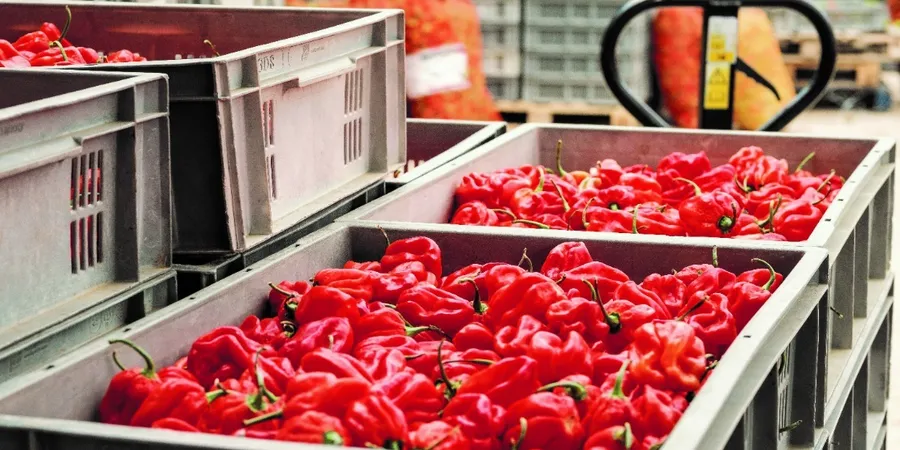
Côte d'Ivoire is one of the pilot countries chosen to test the new Rapid SPS Assessment Tool (R-SAT) developed by COLEACP. The main objective is to develop a priority action plan to strengthen national sanitary and phytosanitary (SPS) systems, and to ensure the alignment of these systems with international standards and regulations. During the launch meeting of this pilot in Abidjan, the competent authorities chose to apply the tool to the Capsicum sector, both for the local market and for the export market to the EU.A meeting with representatives from the private sector (producers, collectors, exporters) and the public and parapublic sector (competent authorities, research, extension) was held on 29 June at the premises of the Direction de la Protection des Végétaux, du Contrôle et de la Qualité (DPVCQ) which will coordinate the project.At the end of this meeting, the technical working groups that will work on the four components of R-SAT (Governance - Operational processes - Skills management - Communication) were formed, and the work schedule of these groups - which will be supported by COLEACP experts - was established.
 News
News
The role of agricultural Research and Innovation on food systems transformation
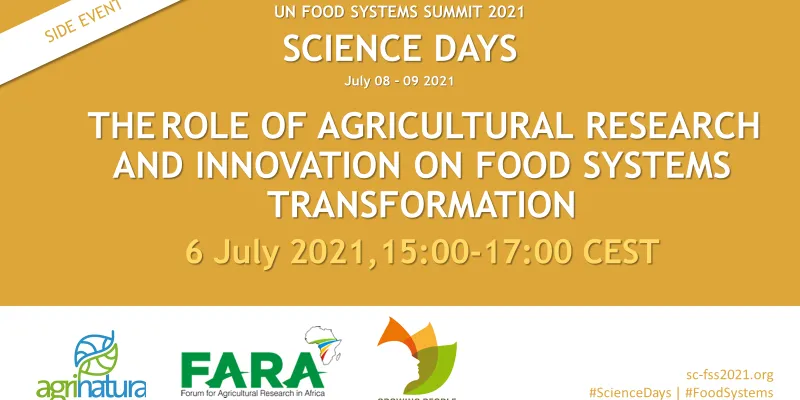
During the Science Days for the UN Food Systems Summit 2021, Agrinatura, the Forum for Agricultural Research in Africa (FARA) and COLEACP are co-organising a side-event on “The role of agricultural research and innovation on food systems transformation”, on 6 July 2021, 15:00 - 17:00 CEST via Zoom.During the side-event, DeSIRA LIFT partners will present successful cases of transdisciplinary research resulting from examples of Africa-European Union cooperation, and discuss good practices and principles, as well as recommendations for a long-term strategy for research and innovation. Alex Muli, co-founder and lead agripreneur of Goshen Farm Exporters Ltd, a Kenyan member of COLEACP that produces, processes and exports fresh fruit and snacks, will present on how links with research helped his company to grow, and which innovations contributed to its success.This side-event aims to highlight the role of agricultural research and innovation in food systems transformation. Current farming systems need to adapt to climate change, and preserve soil and biodiversity, while producing healthy and affordable food. Such a profound transformation requires the collaboration of all stakeholders in food systems, and engaging in transdisciplinary research will boost this shift.Agrinatura, FARA and COLEACP support this transformation, as well as the DeSIRA LIFT project for the development of smart innovation and research in agriculture. DeSIRA LIFT partners are engaging in demand-led, multi-stakeholder agricultural research and innovation to support CAADP XP4 organisations and their partners, the Global Forum on Agricultural Research (GFAR) and the Tropical Agriculture Platform (TAP), in their respective roles related to knowledge and innovation systems in agriculture. The objective of the project is to strengthen their roles in continental agricultural development and the joint Europe-Africa dialogue. COLEACP, with the support of the Natural Resources Institute (NRI), leads one of the three work packages aimed at supporting the African research organisations, strengthening the collaboration between European and African research institutions in the Europe-Africa partnership processes both from an academic and multi-stakeholder perspective, as well as the engagement of European agricultural research for development, involving the private sector and including farmers’ organisations.You are kindly invited to join this side-event next Tuesday 6 July 2021, from 15:00 - 17:00 CEST via ZOOM. Click to register here and find more information in the flyer UNFSS Science Days Side Event_Agenda.
 News
News
Madagascar: 6th event on CSR and Sustainable Development Initiatives
COLEACP is one of the supporting partners of the 6th edition of the Salon RSE et des IDD, Madagascar’s exhibition for corporate social responsibility and sustainable development initiatives, which will be held on 15 and 16 July 2021. The theme of this year’s event is "Partnerships for sustainable development". During the two days, discussions will focus on climate change and strategic community investments.Co-organised by Ur-CSR and BuyYourWay, under the sponsorship of the Ministry of the Environment and Sustainable Development and the Groupement des Entreprises de Madagascar, the exhibition will be held exclusively in digital format.For more information on this annual meeting of committed stakeholders who are active in addressing environmental and societal issues in Madagascar, visit the following link.
 News
News
Meeting of the Steering Committee of the STDF Togo Project
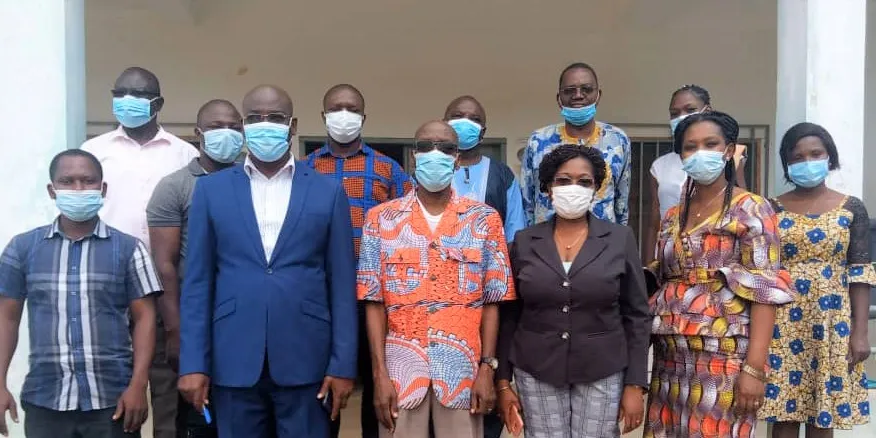
A meeting of the Steering Committee of the "Project to strengthen the national phytosanitary control and certification system for fruits and vegetables in Togo" took place on 25 June in Lomé. The meeting brought together 14 participants, including the seven members of the COPIL, the National Coordinator of the project, and the COLEACP relay in Togo. The meeting reviewed the level of achievement of activities since the project’s launch in November 2018; discussed the problems currently experienced by the fruit and vegetable sectors in Togo; defined the priority activities to be implemented during the second half of 2021; and formulated recommendations for optimal planning of project activities. This activity was organised within the framework of the project "Strengthening of the phytosanitary control and certification system for the fruit and vegetable sector in Togo", funded by the Standards and Trade Development Facility (STDF) and implemented by COLEACP.
 News
News
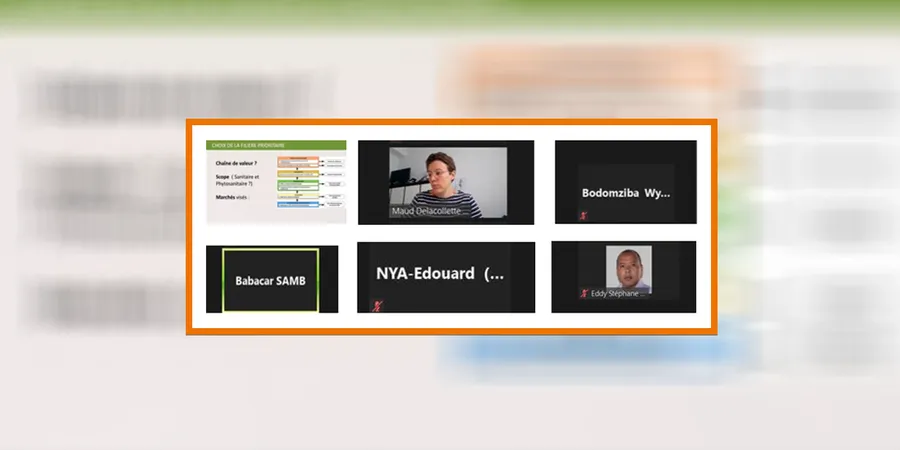
Launch of the French version of the COLEACP Rapid SPS Assessment Tool in Africa
COLEACP has developed a Rapid SPS Assessment Tool (R-SAT) specifically tailored to the context, activities and responsibilities of national Competent Authorities. This tool is designed to assist Competent Authorities to assess the current status and functioning of their sanitary and phytosanitary (SPS) systems, in consultation with key stakeholders from both public and private sectors. The main objective is to develop a prioritised action plan to strengthen national SPS systems, and to ensure their alignment with international standards and regulations.This new diagnostic tool is currently being tested in three English-speaking countries (Suriname, Uganda, Zimbabwe) and three French-speaking countries (Cameroon, Côte d'Ivoire, Senegal) by trios of consultants trained by COLEACP.Kick-off meetings with the relevant SPS authorities were organised in the three French-speaking countries in the first two weeks of June to discuss the preliminary steps, including: choice of the value chain(s) in which R-SAT could be applied as a priority stages and provisional schedule for implementation establishment of working groups. R-SAT does not replace existing dedicated food safety and plant health assessment tools, but is complementary to them. It enables a rapid preliminary assessment and generates information that can subsequently be fed into more in-depth evaluations, or shared with other partners.This activity is supported by the Fit For Market SPS programme, implemented by COLEACP within the Framework of Development Cooperation between the Organisation of African, Caribbean and Pacific States (OACPS) and the European Union.