
Cultivating
Sustainable Futures
 News
News
Six new Good Practice Guides – Updates
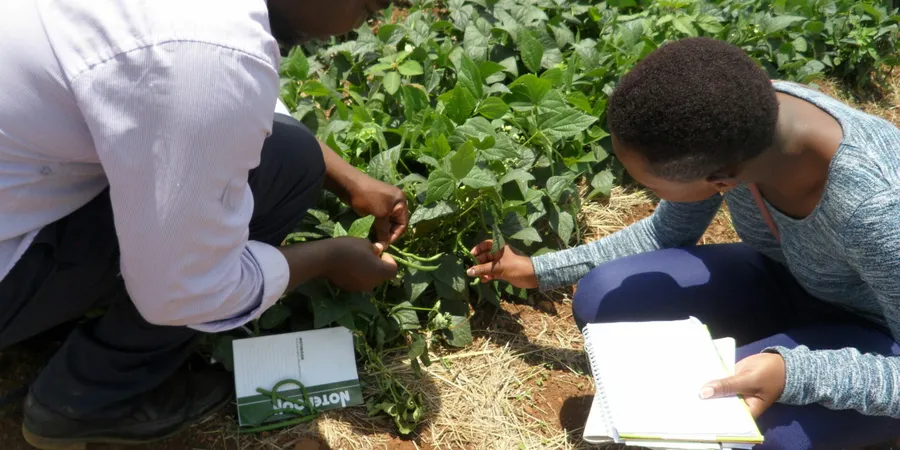
During 2021 COLEACP is providing a team of expert consultants to support national/regional initiatives to develop Good Practice Guides for horticultural value chains. These Guides are being developed, disseminated and kept up to date by stakeholders within each value chain. They are not COLEACP publications – they are written, owned and published by the professionals, within each country/region and crop sector, who will inform and use them. Stakeholders in the sector who take on this task receive practical support throughout the process from COLEACP expert consultants.Read more about the Good Practice Guides here. And read on to find out how the process is progressing in five countries.
 News
News
Getting the most out of trade fairs: New training offer and publications
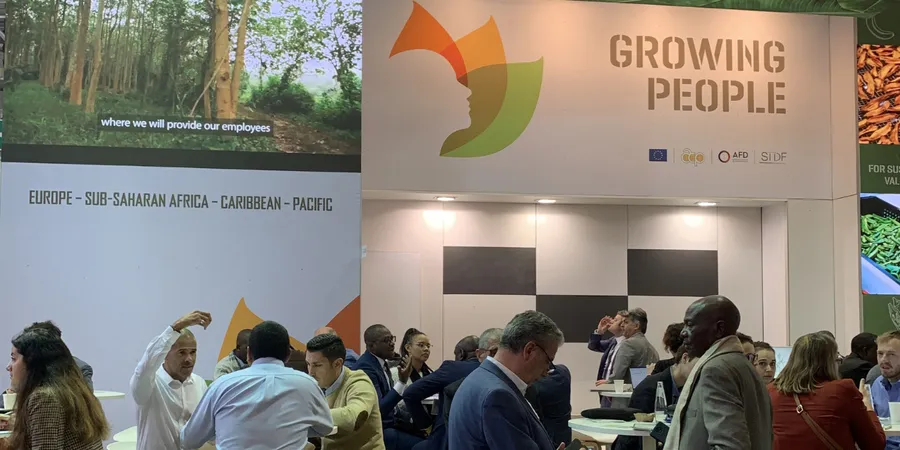
One of the main challenges for ACP exporters is finding the right buyers. Many European businesses use trade fairs to manage their relations and show their presence on the market, so they are ideal places to meet with various importers. They also offer great opportunities to find information on your target market(s) and present your company directly to your potential customers. You will probably find a large concentration of relevant prospects in one place.But participating in trade shows will only be worth the investment if you are well prepared, for example by identifying your strategic goals and your new potential customers, knowing how to present your company and your products, etc. With the Covid-19 health crisis, some trade shows and fairs are now organised remotely or in a hybrid format (both face-to-face and digital), and digital participation requires a specialised approach.To help companies prepare to participate effectively in trade fairs and exhibitions, COLEACP is currently organising training sessions in English and French, with a focus on MacFrut 2021 (7–9 September) and Fruit Attraction 2021 (5–7 October). The training sessions alternate live sessions on Zoom and personalised coaching.A practical guide on "How to prepare for trade shows and fairs" has been developed to accompany the training.
 News
News
Zimbabwe: Pineapple smallholders achieve organic certification
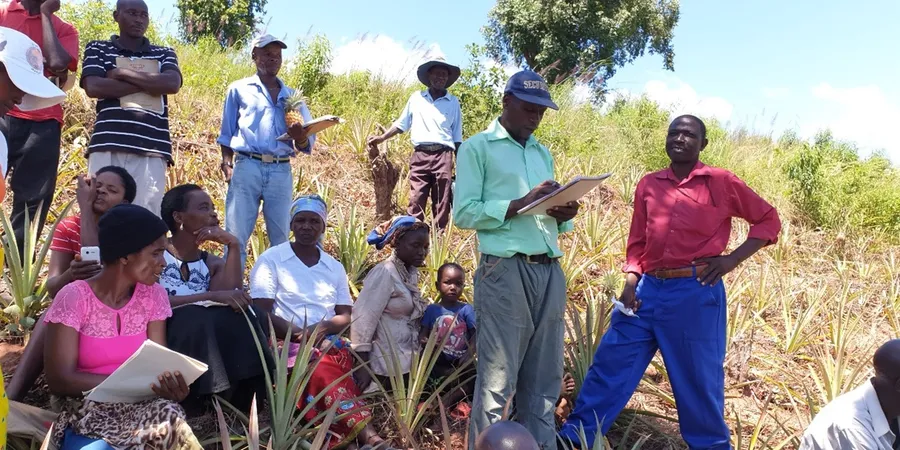
William Zirebwa, COLEACP National Relay ZimbabweIn August 2021, 45 smallholder pineapple farmers in Rusitu Valley, Chipinge, members of the Rusitu Valley Fruit Growers and Marketing Trust (RVFGMT), received a major boost when they achieved organic certification of their pineapples by Ecocert (The Herald, 27 August). The attainment of organic certification is a critical milestone in reaching lucrative global markets for organic fruit.The long journey to organic certification was impacted by events – the pineapple producers were strongly affected by Cyclone Idai in 2019; and two years later the final auditing process took place at a challenging time as Covid 19 cases spiked in Harare.In 2019, following the devastation caused by the cyclone, the National Trade Development and Promotion Organisation ZimTrade requested COLEACP support for RVFGMT. Organic certification was prioritised as the key ambition. In collaboration with ZimTrade and other partners, notably including GreenStone Foods (the international offtake market earmarked by the Trust), two years of intensive work, negotiation and cooperation have now resulted in successful certification by Ecocert.COLEACP will report in the coming weeks on RVFGMT’s challenging journey to certification, as well as potential future tasks including growing the Trust, constructing a basic packing facility, and adding GLOBALG.A.P. certification. All of the partners have gained from this experience, and we look forward to sharing our learning.
 News
News
Congratulations to ColdHubs and all the winners of “Best Small Business: Good Food for All”
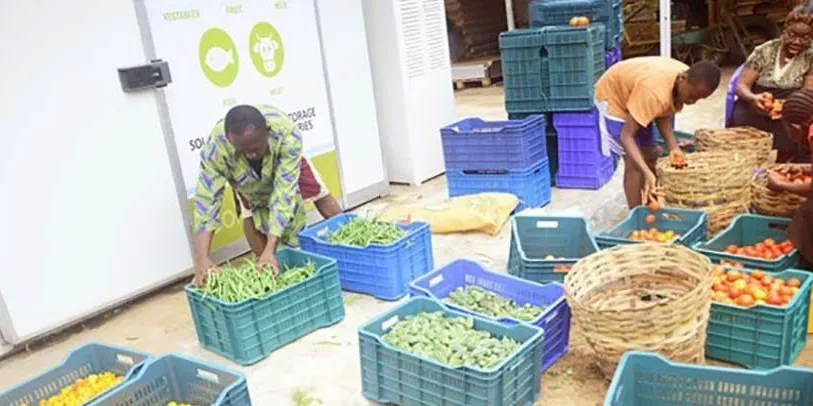
This year’s UN Food Systems Summit (UNFSS2021) launched a competition to recognise the importance of (SMEs) to the future of food and to acknowledge that small businesses are too rarely heard on the international stage.The Best Small Business: Good Food for All competition selected 50 winning SMEs – from cafes through farmer cooperatives to digital start-ups – from nearly 2,000 applications from 135 countries. The winners and share US$100,000 in cash prizes. Their stories and impactful work is presented on the dedicated webpage of the UNFSS2021 here.One of the winners is Nigerian entrepreneur Nnaemeka IKEGWUONU, founder and executive director of ColdHubs, a company building innovative and affordable cold-storage solutions for the local community and smallholder farmers. Nnaemeka presented how ColdHubs contributes to sustainable food systems during PAFO-COLEACP Innovations Series Session 4, organised in May 2021 by the Pan-African Farmers’ Organization (PAFO) and COLEACP.
 News
News
IICA-COLEACP Caribbean Agrifood Business Series
4–8 October 2021 is the Caribbean Week of Agriculture. To celebrate, the Inter-American Institute for Cooperation on Agriculture (IICA) and COLEACP are presenting the third Caribbean Agrifood Business session on Thursday 7 October, 10h00-12h00 EST.The theme will be “Post-Covid-19: Building stronger links between agriculture and tourism – the key role of SMEs and businesses”.You can register here.
 News
News
Launch of OECD-COLEACP Fruit and Vegetables Industry Series
To celebrate the United Nations International Year of Fruit and Vegetables (#IYVF2021), COLEACP is collaborating with the OECD Fruit and Vegetables Scheme, which aims to promote international trade through harmonising the implementation and interpretation of marketing standards.Together the partners have launched the Fruit and Vegetables Industry Series of online sessions to highlight the significance of the sector.The first of the joint sessions, on 14 September, focused on “The fruit and vegetables industry: Market trends and prospects of a dynamic sector”, offering an overview of trends and foresights in trade, new markets, and the structure of the industry, with insights from policy, research and industry.You can read full details of the first session here.F&V; trade: What do we know? Organisation for Economic Co-operation and Development (OECD): Global trends in trade and consumption COLEACP: ACP-EU trade Organisation of the fruit and vegetable sector Quality and Marketing standards group, OECD Scheme for the Application of International Standards for Fruit and Vegetables Philippe Binard, General Delegate, Freshfel Prospects for growth in the industry: Insights from operators Frédéric Rosseneu, Corporate Business Development Manager, Greenyard Group Tahina Randriarilala, Quality and Sustainable Development Manager, Lecofruit Carrefour (CFAO Africa) The Fruit and Vegetables Industry Series aims to share knowledge of both local and export markets and operators; enhance understanding of the sector’s contribution to sustainable production and consumption; promote the contribution of fruit and vegetables to healthy and nutritious diets; and showcase successes and innovations of private sector operators across the EU and Southern countries, as well as lessons learned.Also with the OECD Fruit and Vegetables Scheme, COLEACP is contributing to the latest international training course on “Harmonization of the fruit and vegetables quality assessment”, which will take place from 16–17 September 2021 in the Slovak Republic. Click here for details.This activity is supported by the Fit For Market programme, implemented by COLEACP within the Framework of Development Cooperation between the Organisation of African, Caribbean and Pacific States (OACPS) and the European Union, and co-funded by the French Development Agency (AFD).
 News
News
Suriname – Training for results
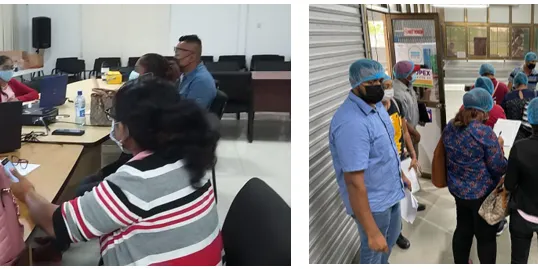
Participants in COLEACP’s training on Implementation of Official Controls in Suriname reported that it was a truly enjoyable and successful learning journey together. A happy bunch of 19 employees of the Ministry of Agriculture were given a practically oriented training course, in Dutch, in August/September 2021. The training focused on the importance of International Standards for Phytosanitary Measures (ISPMs) in relation to the Ministry’s mandate to effectively carry out phytosanitary controls and inspections; the types of official controls; and the organisation and procedures for well functioning controls. The course included two field visits, one to conduct an audit at a heat treatment facility, and the other to view the facilities of a fruit and vegetable exporter.This activity is supported by the Fit For Market SPS programme, implemented by COLEACP within the Framework of Development Cooperation between the Organisation of African, Caribbean and Pacific States (OACPS) and the European Union.
 News
News
Bringing together NPPOs throughout the ACP regions
During the summer COLEACP has continued to offer group capacity building for ACP National Plant Protection Organisations (NPPOs), providing platforms for representatives of NPPOs to meet one another and share their experiences.
 News
News
EU approval not renewed for three key PPPs and other changes notified to WTO
Key points Alpha-cypermethrin is no longer approved within the European Union (EU) since 7 June 2021. EU approval was not renewed in 2020 and it also expired in 2021 for two other key plant protection products (PPPs): -- mancozeb (since 5 January 2021); and -- pencycuron (since 31 May 2021). The EU notified the World Trade Organization (WTO) of its intention not to renew three key PPPs: -- indoxacarb (notification: 2 August 2021; open for comments until 1 October 2021); -- famoxadone (notification: 19 March 2021); and -- abamectin (notification: 15 March 2021). How will ACP producers/exporters be affected? Non-renewal means that these PPPs can no longer be legally used within EU countries. This also has an impact on African, Caribbean and Pacific (ACP) growers – the EU maximum residue levels (MRLs) will be reduced to the limit of determination (LoD), which in most cases means that they can no longer be used on crops for export to the EU. What should ACP producers/exporters do now? If you currently use these PPPs, start looking for alternatives as soon as possible. It you have any major concerns about these changes, and fear that you will be left without an effective and available alternative, please contact COLEACP at: network@coleacp.org . COLEACP will keep you informed as soon as more information becomes available.
 News
News
Senegal: Setting up commercial services within professional organisations - pilot training
COLEACP has begun its first sessions of pilot training on implementing a commercial service within a professional organisation. This training, carried out in collaboration with the National Agency for Agricultural and Rural Consultancy - Niayes Area Directorate (ANCAR Thiès), is aimed at producers in the market gardening sector operating on the local informal market. During the training a COLEACP expert, Ms Jeanne Marie SARR, worked with a producer group of Yade in the Niayes region, alongside the ANCAR agent who usually works with the producers. The sessions focused on:the realisation of grouped salescommercial negotiationmarketing contractsmonitoring and recording of operations.We wish good training sessions to the ANCAR Thiès supervisors and COLEACP expert.This activity is supported by the Fit For Market programme, implemented by COLEACP within the Framework of Development Cooperation between the Organisation of African, Caribbean and Pacific States (OACPS) and the European Union, and co-funded by the French Development Agency (AFD).
News
EU MRL changes for 83 PPPs in 2021
Key points Since the start of 2021, European Union (EU) maximum residue level (MRL) changes concerned 83 plant protection products (PPPs; 59 in 2020). These changes refer to modifications compared to the previous regulation, and can be either an increase or lowering of the MRLs for certain foods.COLEACP identified 27 key substances used in African, Caribbean and Pacific (ACP) horticulture that are affected by these changes. For 10 of the substances (ametoctradin, bupirimate, chlorothalonil, dimethoate, ethoprophos, myclobutanil, propiconazole, pyraclostrobin spinetoram, spirotetramat), the changes were directly related to ACP horticulture products (40 crops). How will ACP producers/exporters be affected? Changes of EU MRLs have an impact on ACP growers. For each PPP used, the Good Agricultural Practices (GAPs) in place should always be adapted to ensure compliance with MRLs of the destination market and prevent interception and destruction of the merchandise at the border. What should ACP producers/exporters do now? If you use these PPPs, it is important to ensure that the applied GAPs are compliant with the new MRLs. In most cases, adaptations will be needed (dose, number of applications, pre-harvest interval, etc.). If you have any major concerns about these changes, and fear that you will be left without an effective and locally available alternative, please contact COLEACP at: network@coleacp.org .
 News
News
Public-private cooperation in risk management
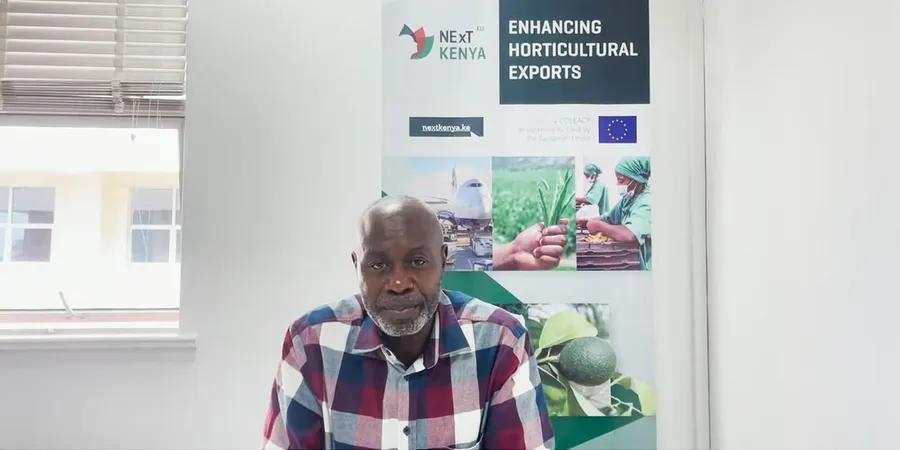
In July Dr Chagema Kedera, COLEACP Coordinator for the New Export Trade (NExT) Programme in Kenya, presented a video on “Public-private cooperation in risk management” at a Workshop on Risk Assessment, Risk Management, and Risk Communication hosted by the World Trade Organization Committee on Sanitary and Phytosanitary Measures. He discusses the four key aspects of risk management – governance, operational processes, capacity, and communication – through the example of Kenya’s experience. For successful risk management, close interaction between public and private stakeholders is vital. You can view the 4-minute video here: