
Cultivating
Sustainable Futures
 News
News
Distance learning for Somali company Jubba Agro
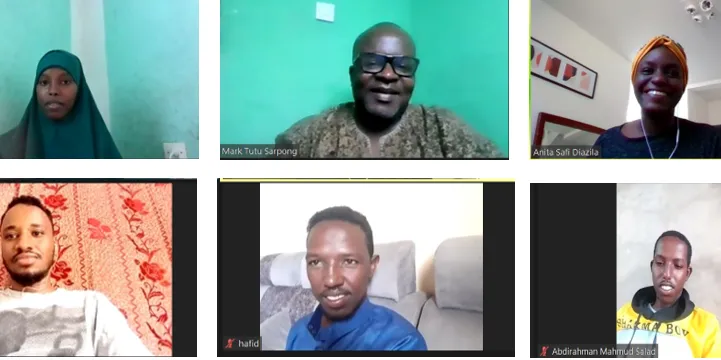
A key aim of this COLEACP training is to enable the technical staff of Jubba Agro to pass on key messages effectively to the farmers they work with on a daily basis. As well as strengthening the teaching skills of the technical staff, the online training offers a review of all the principles of food hygiene and traceability. The training is given by a Ghanaian expert, Mr Mark Tutu Sarpong, one of COLEACP’s network of regional and local expert trainers.Jubba Agro is an importer and supplier of farm machinery in Somalia - tractors, implements, attachments, farm accessories and inputs.This activity is supported by the Fit For Market programme, implemented by COLEACP within the Framework of Development Cooperation between the Organisation of African, Caribbean and Pacific States (OACPS) and the European Union, and co-funded by the French Development Agency (AFD).
 News
News
Afruibana webinar and White Paper
On 21 April, Afruibana held a webinar titled “Agriculture at the heart of the Africa-Europe relationship”. The event was organised as part of the presentation of the Afruibana White Paper on African Bananas, which aims to take stock of the past decade on the European banana market, and to offer perspectives at the start of the new decade. COLEACP recognises that the banana export industry is key for the development and modernisation of this and other ACP fruit and vegetable value chains, and welcomes this initiative and the White Paper. During the webinar, the first panel focused on “Africa-Europe: a new relationship to build in the post-Cotonou era”. Following a dialogue with Joseph Owona Kono, Président of Afruibana on the theme “The African banana, a common challenge for Africa and Europe”, the second panel was on “African agriculture facing the challenges of modernisation and transformation”. The high-level panelists include: M. San BILAL, Responsable des programmes de ECDPM Dr Pierrette HERZBERGER-FOFANA, MEP, Vice-Présidente de la ComDEVE M. le Ministre Jean-Marie KAKOU-GERVAIS, Ancien Ministre des Affaires Etrangères de Côte d’Ivoire, Vice-Président d’Afruibana M. Denis LOEILLET, Chercheur au CIRAD M. Daniel MAY, Secrétaire de l’ABNB M. Stephen MINTAH, Président du COLEACP et Directeur-Général de SPEG M. Escipión J. OLIVEIRA GÓMEZ, Sous Secrétaire General de l’OEACP M. Joseph OWONA KONO, Président d’Afruibana Mme Atsuko TODA, Directrice du financement agricole et du développement rural à la BAD M. Willi SCHULZ-GREVE, Chef d’unité à l’Union Européenne Mme Marie-Pierre VEDRENNE, MEP, Vice-Présidente de la ComINTA Mr Carlos ZORRINHO, MEP, actuel co-Président de l’APP des ACP-EUAfruibana, a COLEACP member, is a pan-African association of fruit producers and exporters. Born from the union of several actors within the fruit industry in Côte d’Ivoire, Cameroon and Ghana, it brings the voice of African producers before the international institutions. While the majority of members are currently banana producers, Afruibana is an open platform that aims to federate African fruit producers and defend their interests.
 News
News
Integrated Crop Protection and Safer Pesticide Use training for PAFO members
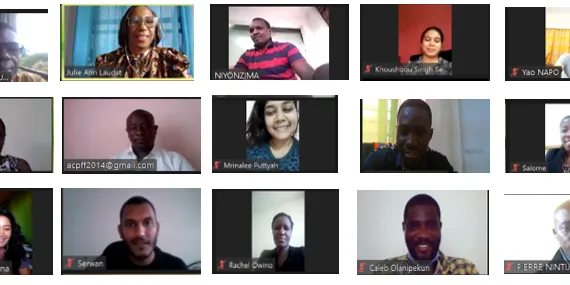
As part of the PAFO-COLEACP collaboration for the modernisation of agricultural value chains in Africa, on 6 and 8 April we held the first training webinars in response to requests from PAFO members (French and English in parallel). The webinars were aimed at farmers, technical staff, agronomists and extension workers who wish to learn about the principles and skills related to integrated crop protection and safe pesticide use. Throughout April, English sessions will be held on Tuesdays and French sessions on Thursdays. Further webinars will be organised in the coming months as part of this successful collaboration. Stay informed on our social networks!This activity is supported by the Fit For Market programme, implemented by COLEACP within the Framework of Development Cooperation between the Organisation of African, Caribbean and Pacific States (OACPS) and the European Union, and co-funded by the French Development Agency (AFD).
 News
News
News digest: Agri-food markets & production
On 26-27 May, Fruitnet will be live and online to host “World of Fresh Ideas”, a learning and networking event for the global fresh fruit and vegetable business. Four programme tracks offer talks, interviews and interactive discussions with experts from across the international fresh produce business. Organised by Fruitnet in cooperation with Fruit Logistica, the event is aimed at suppliers, distributors, buyers and service providers in the fresh produce trade.Source: World of Fresh Ideas (Fruitnet)
 News
News
WEST AFRICA: WORKSHOPS FOR THE START OF THE MANGO CAMPAIGN
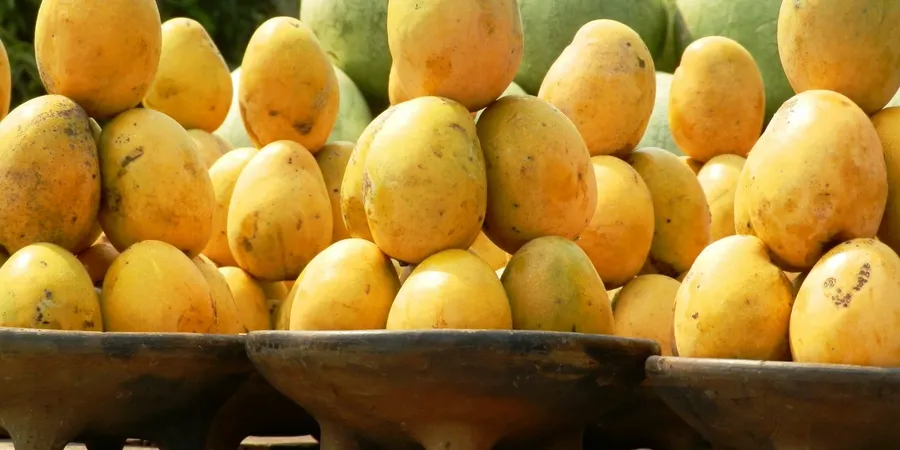
In anticipation of the start of the 2021 mango export campaign in several West African countries – Burkina Faso, Cameroon, Côte d’Ivoire, Gambia, Guinea and Mali – COLEACP partnered with the competent authorities in each country to organise workshops for discussion and exchange. The workshops took place between the end of March and mid-April, and brought together private sector operators and the competent authorities of each country.Part 1 focused on the mango dossier submitted to the European Union under the new phytosanitary rules that came into force in December 2019 (EU2016/2031), and reviewed: the 2020 campaign and points for improvement identified during the internal audit in relation to the mango dossier the integrated management measures, phytosanitary inspection and certification system, and conservation measures detailed in the mango dossier the roles and responsibilities of each type of actors. Part 2 discussed the impacts of Covid-19: measures to put in place at harvest and at the packing station to limit spread of the virus adapting GLOBALG.A.P. requirements in the context of the health crisis. We would like to thank the competent authorities of all the countries involved for their support in organising these workshops, as well as the experts who led them, Mrs Holisoa RATSIROFONIRINA and Mr Edit KABRE. We wish all our partners an excellent mango campaign! This activity is supported by the Fit For Market and Fit For Market SPS programmes, implemented by COLEACP within the Framework of Development Cooperation between the Organisation of African, Caribbean and Pacific States (OACPS) and the European Union. Fit For Market is co-funded by the French Development Agency (AFD).
 News
News
News digest: Brexit
Freshfel Europe, the European Fresh Produce Association, reports that according to the EC’s Directorate-General for Taxation and Customs Union (DG TAXUD), despite the UK being a member of the Common Transit Convention since 1 January 2021, the procedure is still not entirely reliable. The UK is not yet entirely connected to the Customs Decisions System (CDS), as they have to re-join as a third country. This onboarding procedure is still ongoing. So in theory traders may initiate transit procedures through UK to Ireland, but might need to take into account one day of waiting time at the UK border before being able to pass through, as the UK has not implemented fast lanes for perishable goods. As a worst-case scenario, as many customs offices are not yet aware of the transit procedures, T1 or T2 may not be accepted upon entry. It is recommended, before initiation of a transit procedure for the UK, to get in touch with HM Customs via the Transit network Address Book.
 News
News
Training for NPPO inspectors: Organisation and implementation of official controls
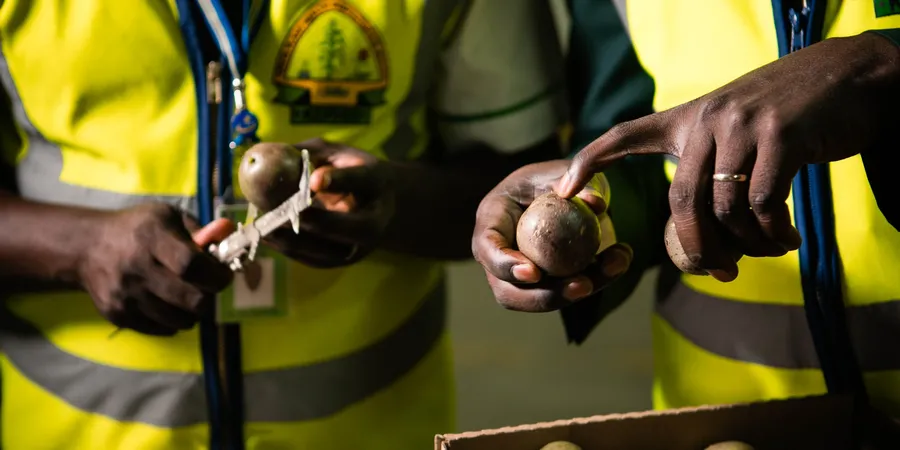
COLEACP’s online training for National Plant Protection Organisations (NPPOs) tackles both the organisation and the implementation (enforcement) of official sanitary and phytosanitary (SPS) controls. Organisation of official controls Participants in this series learn how to design and supervise the implementation of a system of official SPS controls adapted to the requirements of the International Plant Protection Convention (IPPC), and particularly relating to the new requirements of the EU plant health legislation that came into force in December 2019. In April two sessions took place, the first one with participants from Fiji, Ghana, Kenya, Uganda, Rwanda, Seychelles, Sierra Leone and Zimbabwe; followed by a session for the Caribbean region with representatives from The Bahamas, Dominica, Grenada, Saint Lucia, and Trinidad and Tobago. Implementation of official controls This training is aimed at NPPOs – inspectors, controllers and technical agents who are involved in carrying out phytosanitary control, inspection and certification activities. Participants learn in detail about supervising and carrying out official control activities of plant products and other regulated articles, in accordance with procedures and instructions established in conformity with International Standards for Phytosanitary Measures (ISPMs) and the phytosanitary requirements of importing countries. Training in French has been delivered for West Africa, Cameroon, Chad and Madagascar. A session is scheduled for the end of April for the East African Community, for inspectors from Eswatini, Kenya, Rwanda, Uganda and Zimbabwe.
 News
News
Import controls on fresh fruit and vegetables in Europe: The example of Belgium
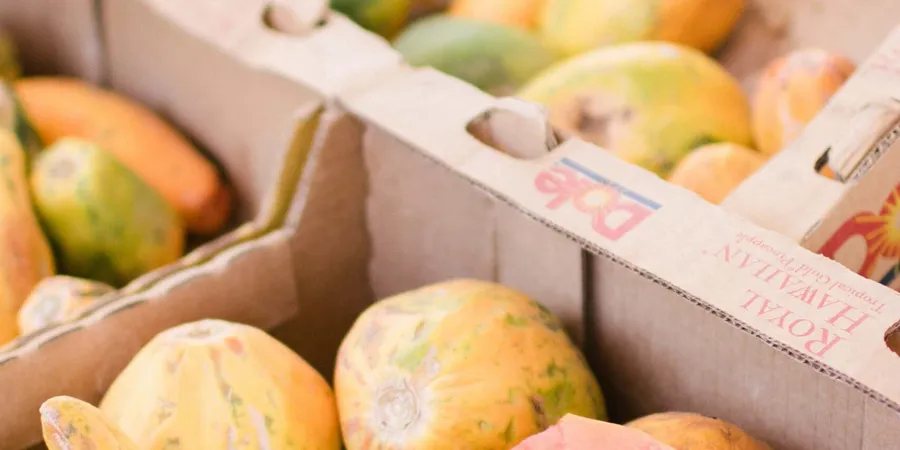
An upcoming online session on key plant health issues affecting National Plant Protection Organisations (NPPOs) and stakeholders in the fruit and vegetable sector of ACP countries will address “How import controls of fresh fruit and vegetables are carried out in Europe – example of Belgium – main implications and challenges”. In this webinar, on 4 May, NPPOs from member states of the East African Community (EAC) and the Caribbean Agricultural Health and Food Safety Agency (CAHFSA) will outline the experiences and challenges they face when exporting fresh fruit and vegetables to the European Union. And a representative of Belgium’s Federal Agency for the Safety of the Food Chain (FASFC) will describe how consignments from third countries are inspected on arrival in Belgium (at the European point of entry). This interactive session will allow time for the exchange of information and experiences between the speakers, participants and the COLEACP team. This activity is supported by the Fit For Market SPS programme, implemented by COLEACP within the Framework of Development Cooperation between the Organisation of African, Caribbean and Pacific States (OACPS) and the European Union.
 News
News
Establishing and updating national lists of regulated pests
COLEACP has been holding a series of e-meetings on sanitary and phytosanitary (SPS) issues with National Plant Protection Organisations (NPPOs) from ACP countries. The latest meeting, on 15 April, focused on “Establishment and update of regulated pest lists in ACP countries – main implications and challenges”. This interactive session allocated time for the exchange of information and experiences between the speakers, participants and the COLEACP team. A representative from the International Plant Protection Convention (IPPC) gave a short introduction explaining the importance of establishing, updating and making available regulated pest lists. This was followed by presentations from regional bodies in the Caribbean and West Africa, and from a number of individual country representatives, outlining the experiences and challenges they have faced in establishing and maintaining these lists. This activity is supported by the Fit For Market SPS programme, implemented by COLEACP within the Framework of Development Cooperation between the Organisation of African, Caribbean and Pacific States (OACPS) and the European Union.
 News
News
St Vincent & the Grenadines: Impacts of volcanic eruption on COLEACP members and on the country’s agriculture
The La Soufrière volcano, which had seen a low-level eruption since December, experienced the first of several major explosions on Friday 9 April, and volcanologists say activity could continue for weeks. A further explosion was reported on the morning of Tuesday 13 April, sending another massive plume of ash into the air.
 News
News
Caribbean: Business management training on market access
COLEACP’s latest Business Management and Development training in the Caribbean will focus on "Market access: How to make an informed business decision regarding the market to target”. The four-week training is intended for managers/directors of companies or farmers’ organisations operating in the local informal market, or in an informal way, who want to expand their activities to more formal, high-end (international) markets. Professional associations providing advice on this to their members can also participate. The current group of participants are based in Barbados, Dominican Republic, Grenada, St Lucia, St Vincent and the Grenadines, Trinidad and Tobago, and Suriname.Participants will focus on the different economic models of local, regional and export markets; their risks and rewards for growers and companies; and the respective requirements (regulatory, commercial, etc.) of each market. The training also covers the steps needed to reach the desired market, and the technical and financial implications for the company. Based on these steps, participants consider how to make informed decisions on moving into new markets.The first session began on 12 April, in the presence of Mrs Yvonne CHILESHE, Expert in Commodities and Value Chain Development, Organisation of African, Caribbean and Pacific States (OACPS), with a speech by M. Escipión OLIVEIRA GÓMEZ, Assistant Secretary-General, Department of Structural Economic Transformation and Trade, OACPS.M. Oliveira Gómez told participants: “The OACPS wants to link to all 16 countries of CARICOM/CARIFORUM, link you to the Pacific that has similar challenges, and also with Africa that also has some of the challenges we have in the developing countries. We will try to work together as a team on CARICOM/CARIFORUM, working with the European Union and COLEACP, trying to build up national markets, and hopefully we can build a strong regional market together, collaborate with brothers and sisters in the OACPS – and I hope that we can conquer the world together.”This activity is supported by the Fit For Market programme, implemented by COLEACP within the Framework of Development Cooperation between the Organisation of African, Caribbean and Pacific States (OACPS) and the European Union, and co-funded by the French Development Agency (AFD).Related stories: Group training on Crop Protection and Safe Use of Pesticides in the Caribbean (Suriname) Training-of-trainers: How to use Moodle for creating and animating an online training course for Bahamas Agriculture & Marine Science Institute (BAMSI).
 News
News
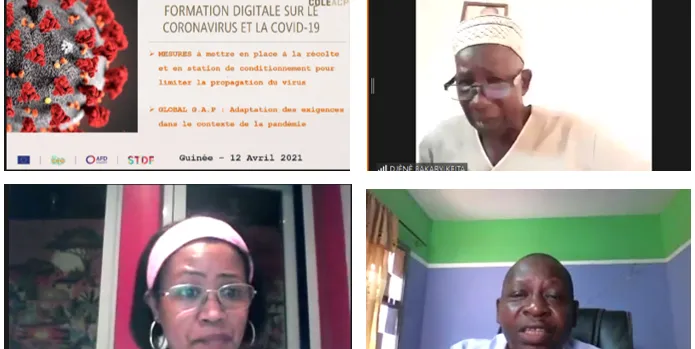
Meeting on the 2021 mango campaign in Guinea
In anticipation of the start of the mango export season in Guinea, COLEACP organised a workshop for discussion and exchange on the 2021 mango season in partnership with the National Directorate for Plant Protection, Stored Foods and Technical Control (DNPVDS-CT).This workshop took place on Monday 12 April. It provided an opportunity to review the integrated management measures, the phytosanitary inspection and certification system and the precautionary measures detailed in the mango dossier submitted to the European Union, in the context of the new phytosanitary rules that will come into force in December 2019 (EU2016/2031).In a second stage, the meeting considered the impact of Covid-19 on the Guinean horticultural sector; the measures to be put in place from orchard to export to ensure the safety of operators; and the requirements of GLOBALG.A.P. certification in relation to the pandemic.This activity is supported by the Fit For Market SPS programme, implemented by COLEACP in the framework of development cooperation between the Organisation of African, Caribbean and Pacific States (OACPS) and the European Union.