
Cultivating
Sustainable Futures
 News
News
FAPE (Sierra Leone) - Design & Construction of an Export Facility
This Thursday, the Federation for Agricultural Produce Exporters of Sierra Leone (FAPESL) has animated a workshop, organized with the support from the World Bank and COLEACP. The objective of this workshop was to introduce the FAPESL project for an Export Facility built according to International standards at Lungi Airport and to present in detail to public and private horticultural stakeholders. This project would boost exports of fresh and processed produce and allow exporters to be more competitive while respecting regulations and international standards. As part it’s Fit for Market programme, COLEACP has supported the federation with several expert missions to provide support on the technical, organizational and budgetary aspects of the project. Thank you to all the persons who attended this workshop. This activity is supported by the Fit For Market programme, implemented by COLEACP within the Framework of Development Cooperation between the Organisation of African, Caribbean and Pacific States (OACPS) and the European Union, and co-funded by the French Development Agency (AFD).
 News
News
Zimbabwe: New collaboration with HDC
COLEACP collaboration with Zimbabwe Horticultural Development Council A very productive dialogue between COLEACP and Zimbabwe’s Horticultural Development Council (CEO Mrs Linda Nielsen and Chairman Mr Stanley Heri) has led to the signing of a Memorandum of Understanding and action plan. The agreement includes technical and capacity-building support through the Fit For Market programme to promote smallholder development through horticulture and outgrower schemes. HDC Chairman Mr Stanley Heri of the Zimbabwe Export Produce Growers Association, a former Chairman of COLEACP (2004–10), has a deep-rooted knowledge of the horticultural sector in the region. Mr Heri told COLEACP that “Zimbabwe has the potential to regain its ‘bread basket of Africa’ status because government, in realising the strategic role of the sector in terms of contribution to economic development, rural employment and food security, is supporting and facilitating the recovery of the sector.” HDC was newly formed in 2020 in response to industry challenges such as user-unfriendly macro-economic policies, sector fragmentation, international isolation, knowledge and information gaps – and Covid-19. The cut flower sector was particularly affected, ending the season prematurely due to the disruption and subsquent closure of the Dutch auction system and grounding of passenger flights. COLEACP will work with HDC to support capacity-building in the sector.
 News
News
News digest: Agri-food markets and production
Global organic agriculture is progressing in small steps again in 2019, with a 1.6% increase in the global surface area – an additional 1.1 million hectares (ha) – to 72.3 million ha (including land under conversion), with Oceania in the lead, in fact Australia (nearly 50%), followed by Europe (23%) and Latin America (11%) (Commodafrica, 3 March). But compared to the world's agricultural surface area, the result is still modest (1.5%). The countries that have progressed the most in 2019 are India, the United States, and France neck and neck with Bolivia. Sales are expected to be at about the same level as in 2018 at €106 billion, almost the same amount as the world chocolate market. However, some countries are showing double-digit growth rates, such as France (+13.4%). Overall, the United States is the largest market (€44.7 million), followed by Germany (€12 million) and France (€11.3 million).
 News
News
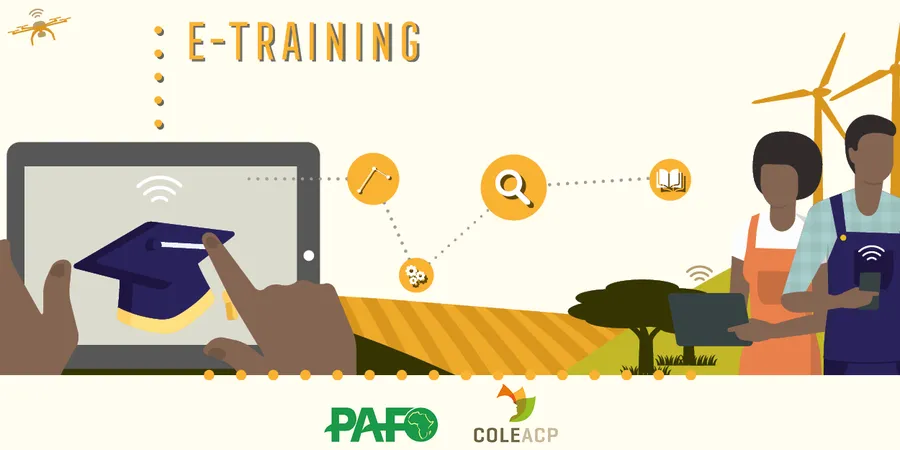
PAFO–COLEACP four-week Online trainings in April – crop protection and safe use of pesticides
PAFO (the Pan-African Farmers’ Organization) and COLEACP are collaborating on online trainings on ‘Crop protection and safe use of pesticides’, to be held over four weeks in April. The E-trainings are designed for farmers, technical staff, agronomists and extension workers (who must be PAFO members), who want to learn about the principles and skills relating to integrated crop protection and safe pesticide use.There will be one two-hour webinar each week during April, with French and English versions running in parallel. The first session will take place during the week starting 5 April, with one further session each week for the next four weeks. The exact times and dates will be communicated shortly.The sessions will take place online via Zoom. Registered participants are requested to attend all four online sessions to ensure smooth running of the course, so they will need to be motivated and organised. A certificate of attendance will be delivered to all those who take part in all the sessions.Participants will need to have a stable internet connection; a quiet space in which to work; and a computer, smartphone or a tablet with functional audio and video equipment.PAFO and COLEACP signed a Memorandum of Understanding in February 2020 to reinforce their collaboration for the modernisation of agricultural value chains in Africa, in order to promote sustainable and inclusive growth, poverty alleviation, food security, food safety and nutrition. Support for capacity building through training is a key element of the joint action plan, responding to specific training needs expressed by PAFO members during consultations. This course on crop protection is the second in the series; the first, held in October–November 2020 on the theme of Covid-19, focused on information, practical guidelines for implementing Covid-19 measures, and adapting the requirements of private voluntary standards. Further topics for webinars in the coming months may include commercial negotiation, and hygiene and traceability.This training is organised by COLEACP under the Fit For Market SPS programme, within the framework of cooperation for development between the Organisation of African, Caribbean and Pacific States (OACPS) and the European Union.
 News
News
Kenya: Mango farmers hope to resume lucrative European markets in September
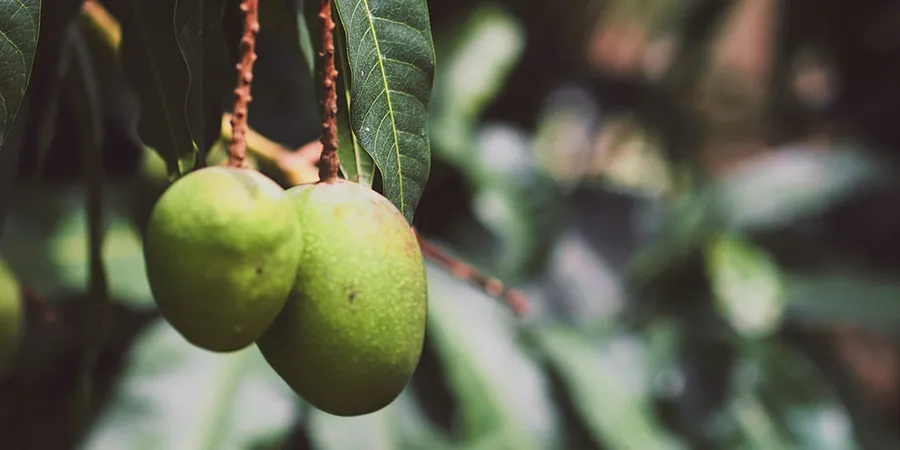
Kenyan mango stakeholders have agreed on September 2021 as the tentative month for resumption of exports to the EU after an 8-year break. The emergence of the fruit fly in Kenya led to numerous interceptions of mango consignments by the EU between 2010 and 2014. As a result, Kenya imposed a temporary self-export ban to protect the market and institute acceptable pest management measures. After the ban, the government, among other stakeholders, started pursuing measures to help in reducing the pest in the country (FarmKenya, 12 March).
 News
News
News digest: Policy
Nigerian Director-General Ngozi Okonjo-Iweala, the first woman and the first African to lead the WTO, took office on 1 March (WTO News, 5 March). Among her first actions were meetings with the Group of Least Developed Countries as well as the Friends of the System, an alliance of small and mid-sized members from different regions and development levels that are committed to a well-functioning multilateral trading system. A top priority will be to continue her meetings with individual ambassadors and groups, including the African Group, the Organisation of African, Caribbean and Pacific states, and the Association of Southeast Asian Nations.
 News
News
Focusing on young people
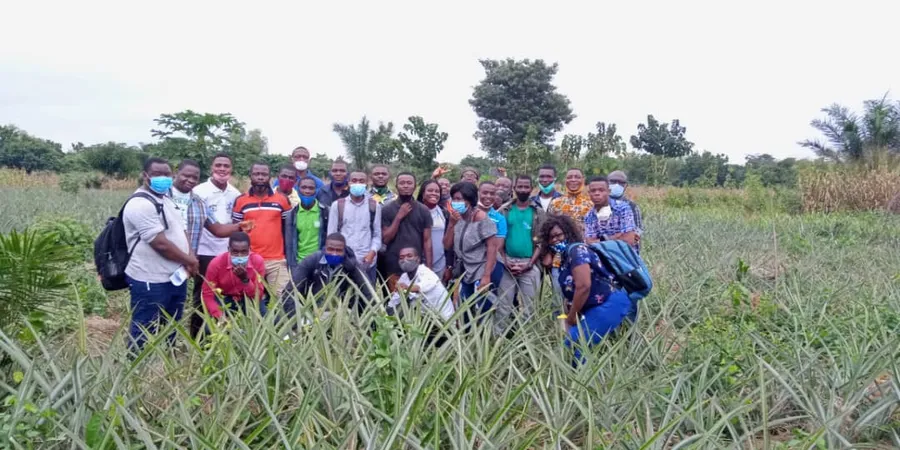
In 2020, COLEACP started a new project in Togo – an incubator for horticultural technical managers. The project aims to help fill the gap in qualified technical staff on the Togolese job market (quality managers; packaging and production managers). This is achieved by training young graduates to enable them to become quickly operational for horticultural companies, through combining technical training and practical work experience in companies. The project was made possible particularly thanks to the strong involvement of Togolese companies. During the round table of COLEACP members and beneficiaries in Togo in December 2019, they all expressed their full support for the project and committed themselves to welcoming and supervising the trainees.
 News
News
MONEY FARM (The Gambia) – a horticulture crowdfunding platform
Last week the COLEACP team had the pleasure to exchange with Mr Modou NS Njie, founder of the crowdfunding platform Money Farm. Founded in 2018, the platform connects farmers seeking financing for the acquisition of equipment with private investors who wish to invest and participate in the development of the horticultural sector. Money Farm operates on a profit-sharing model depending on the level of investment, providing well-managed potential agri-investment opportunities in Africa, for Africans in the diaspora and for investors worldwide. The company was created in response to the difficulty farmers face in accessing financial resources to develop their businesses. Money Farm’s team aims to have a positive impact on rural farmers by contributing to the growth of food production and improving food security in The Gambia. Money Farm's approach empowers farmers to move from subsistence to commercial farming, to enhance their food security and to make market linkages. For further information please consult their website. The Money Farm team will be happy to answer all your questions. Photo credits: Money Farm
 News
News
FRESH SALONE (Sierra Leone) - food Safety Management System and Training Needs Assessment
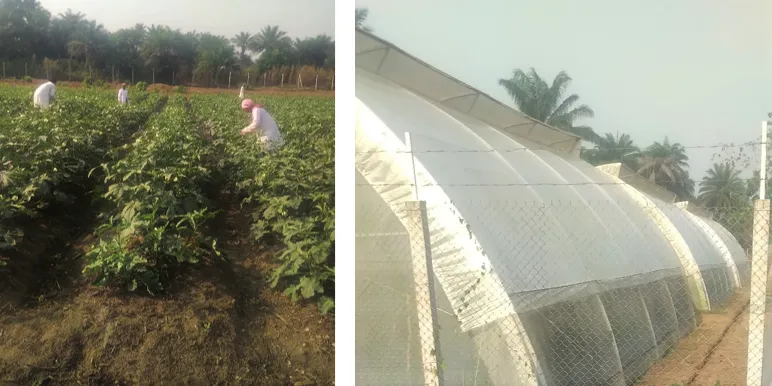
FRESH SALONE recently benefitted from COLEACP Fit For Market programme support to realize an assessment of the company’s food safety management system and training needs. The expert, Mr. Emmanuel Owusu, used the GLOBALG.A.P version 5.4 to audit the FSMS of the company and provided a corrective action plan including the measures to be implemented. The training needs assessment identified the topics mastered by the company’s technical managers and those on which the staff would benefit from training.FRESH SALONE is a Sierra Leonean company producing and marketing fruits and vegetables (mangoes, okra, chilies, eggplant, tomato, cabbage, etc.) sold on the local and export market. The company grows a few of its major crops by itself and sources mainly from about 100 smallholders supported by the company. Fresh Salone has recently enlarged its production site to increase its own production, mainly of vegetables, both under nethouses and in open fields. Due to COVID-19, the company has also launched a brand of processed foods (hot sauce, dried and frozen vegetables). Fresh Salone also sells agro inputs and production equipment.This activity is supported by the Fit For Market programme, implemented by COLEACP within the Framework of Development Cooperation between the Organisation of African, Caribbean and Pacific States (OACPS) and the European Union, and co-funded by the French Development Agency (AFD).
 News
News
COLEACP-CABA agreement
COLEACP and the Caribbean Agri-business Association (CABA) have signed a Memorandum of Understanding to collaborate in support of the SMEs and businesses operating in the agri-food sector in the Caribbean. The joint COLEACP-CABA action plan includes the following areas of cooperation, among others: Industry and market intelligence – information on international, regional and national policies and regulations impacting private sector operators, and joint information and communication products Business support – technical assistance to business proposals to improve production, access markets, access ICT innovations, as well as financial proposals to attract investment, including blending finance Market access and product development/promotion – sharing of information on markets, new products and innovations, and linking MSMEs and producers to tourism markets Capacity development – access to COLEACP’s e-learning materials and tailor-made, on-demand services to MSMEs.Within regional agricultural development programmes, including the Regional Food & Nutrition Security Policy and the Priority Commodities Value-chain Development, CABA is responsible for leading on technical support to facilitate the organisation and coordination of the SME subsector, and development of the regional herbs and spices industry. CABA’s six services focus on sector organisation and advocacy; information management and exchange (including the agricarib.org website, CABA Online Directory, and CABA Social Network); joint marketing and online marketplace; education and certification; conferences and festivals management; and value-chain and business development.
 News
News
News digest: Brexit
Ghana and the United Kingdom signed a trade agreement worth $1.6 billion on 2 March (Gov.uk, 2 March; Africanews, 3 March), and the legislation came into force on 5 March. The renewed Continuity Agreement will allow duty-free, quota-free access for Ghana to the UK market, and preferential tariff reductions for UK exporters to the Ghanaian market. It means Ghanaian products such as bananas, tinned tuna and cocoa can be traded to Britain without tariffs. The UK Global Online Tariff database has been updated to reflect the re-establishment of Ghana’s duty-free status. COLEACP lobbied with Afruibana and others to promote this positive outcome.
 News
News
Kenya: Flamingo Horticulture working towards GRASP option 2 for its outgrowers
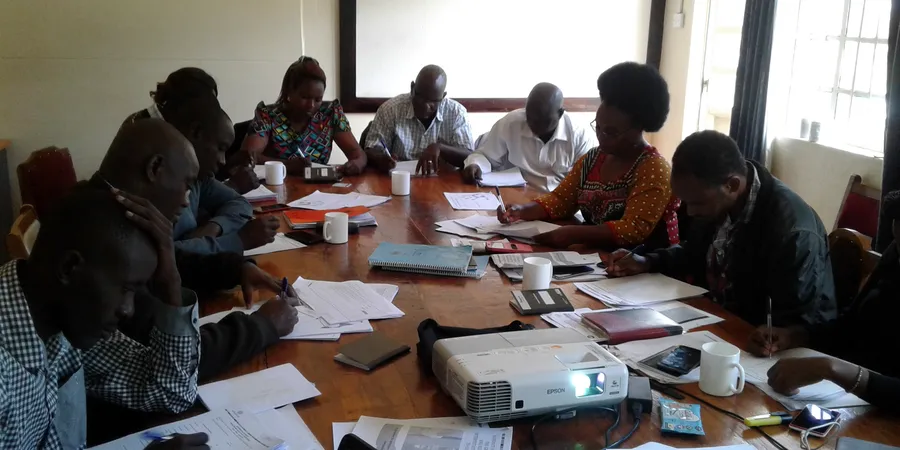
(Picture taken in 2019 before the Covid 19 pandemic.)At the end of 2020, COLEACP worked with Flamingo Horticulture Kenya Ltd, a large grower with various production sites (vegetables and flowers). A training session and pre-audit followed on from COLEACP's previous activities with Flamingo, and should pave the way for the company's successful social audit of over 400 smallholder growers. Throughout 2019, COLEACP supported the company with an assessment of GlobalG.A.P. Risk Assessment on Social Practices (GRASP) compliance at outgrower level, and the development of a road map and quality management system for GRASP compliance. In addition, Flamingo’s staff in the outgrower department were trained on the GRASP standard and its requirements – a set of 11 questions addressing specific aspects of workers’ health, safety and welfare. During this training, a specific tool was developed to facilitate GRASP awareness-raising for small-scale producers. Social compliance has become an important sustainability parameter for consumers, and proof of social welfare in the form of certification has been finding its way upstream in international supply chains. COLEACP member Flamingo Horticulture is compliant with Sedex Members Ethical Trade Audit (SMETA) requirements in all its farms and packhouses, but it needed a standard appropriate to roll out to its hundreds of individual small-scale growers. Group certification, as offered by GRASP, offers an appropriate vehicle to reach a level of social compliance. GRASP, a voluntary add-on module of the GLOBALG.A.P. standard designed to assess social practices on the farm, offers buyers added assurance because it helps producers to establish a good social management system. The group certification is often referred to as ‘option 2’. The Fit For Market programme is implemented by COLEACP within the Framework of Development Cooperation between the Organisation of African, Caribbean and Pacific States (OACPS) and the European Union.