
Cultivating
Sustainable Futures
 News
News
Structuring investment to accelerate local transformation: the ANEP Company example in Africa
As part of the Fit For Market Plus (FFM+) programme, COLEAD supported ANEP Company in structuring its financing request and developing an investor pitch deck, in support of an integrated project combining a packing facility and a pineapple processing unit.Beyond a simple formalisation exercise, the objective was clear: to strengthen the project’s economic credibility, maximise access to appropriate external financing, and support a value-creating local industrialisation pathway.The support enabled the consolidation of the business plan, aligning financial assumptions, commercial strategy and impact indicators, while clarifying the narrative for investors. A targeted mapping of financiers – banks, funds and public instruments – was carried out to identify the most relevant funding windows, in line with the project’s maturity and risk profile.COLEAD also supported the development of a structured and investor-ready pitch deck, highlighting the value proposition, business model, use of funds, team and expected impacts. This work enabled the initiation of initial concrete exchanges with investors and the activation of a credible financing pipeline.This intervention illustrates COLEAD’s growing role, here through FFM+, as an investment facilitator, operating at the interface between technical assistance, the economic structuring of enterprises and dialogue with financial actors. By strengthening project bankability and companies’ capacity to engage with financiers, COLEAD helps create the conditions for sustainable transformation of agri-food value chains.The next steps will focus on refining the financing plan based on feedback received, securing key operational prerequisites (offtake intentions, supplier quotations, guarantees), and prioritising the investors to be engaged, with a view to achieving a balanced mix of debt, grants and quasi-equity.This activity is supported by the Fit For Market Plus (FFM+) programme, implemented by COLEAD within the Framework of Development Cooperation between the Organisation of African, Caribbean and Pacific States (OACPS) and the European Union. This publication receives financial support from the European Union and the OACPS. The content of this publication is the sole responsibility of COLEAD and can in no way be taken to reflect the views of the European Union or the OACPS.
 News
News
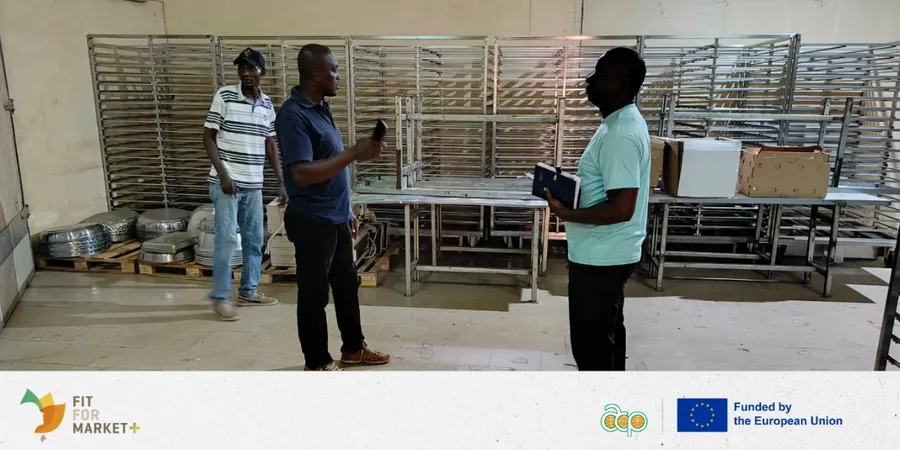
Securing access to the eu organic market: COLEAD support to SPA-IMPEX/CI in Côte d’Ivoire
In Korhogo, Côte d’Ivoire, the COLEAD supported SPA-IMPEX/CI in achieving compliance with the European Union organic regulation, under the Fit For Market Plus (FFM+) programme. The objective was to secure and expand export opportunities for mango and processed banana products, while strengthening the company’s internal organisation and long-term credibility.The support focused on the full structuring of an operator group (OG) in line with EU Organic requirements. A comprehensive documentation system was established, including twelve operational procedures, governance documents (producer contracts, internal regulations, organisational chart), as well as traceability and monitoring tools (inspection sheets, activity registers, organic labels). A risk assessment and action plan were also developed to secure the system.An internal inspection campaign was carried out with eleven producers and the drying facility, validating producers for integration into the organic scheme. The COLEAD further supported SPA-IMPEX/CI in preparing for the external audit, in close coordination with the certification body ECOCERT, including scope definition, technical files and product and input inventories.Key results have been achieved. Organic certification was granted for the dried banana processing unit, with the initial audit confirming compliance. For mango, a complementary audit is planned following the resolution of a limited number of identified adjustments. SPA-IMPEX/CI now operates a fully functional system, with internal control, traceability and standardised governance in place.Beyond regulatory compliance, this support strengthens more sustainable production practices, including biodiversity protection, reduced input use and enhanced traceability, while reinforcing market credibility with European partners. It also lays the groundwork for scaling up organic mango exports from the 2026 season onwards.This intervention illustrates the COLEAD’s approach under FFM+: supporting operators at micro level, while enabling durable access to international markets through structured, credible and results-oriented compliance systems.This activity is supported by the Fit For Market Plus (FFM+) programme, implemented by COLEAD within the Framework of Development Cooperation between the Organisation of African, Caribbean and Pacific States (OACPS) and the European Union. This publication receives financial support from the European Union and the OACPS. The content of this publication is the sole responsibility of COLEAD and can in no way be taken to reflect the views of the European Union or the OACPS.
 News
News
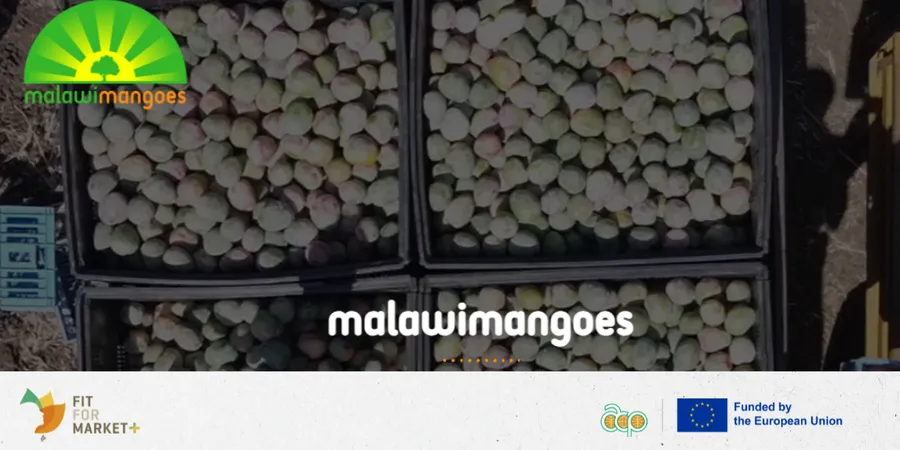
Waste management – Malawi Mangoes adopts a circular, efficient and value-creating management model
As part of the Fit For Market Plus (FFM+) programme, the COLEAD supported Malawi Mangoes (MM) through a strategic mission aimed at transforming its waste management system from a linear and costly approach into a circular, efficient and value-creating model. Implemented between September and November 2025, the mission followed a structured approach, from the initial diagnostic to the co-development of a comprehensive operational strategy.The assessment carried out on the Matumba and Dzuwa farms, as well as at the Salima processing plant, highlighted the lack of waste segregation, organic waste valorisation and formalised procedures, despite the company generating up to 7 tonnes of organic waste per day. These practices resulted in high transport and disposal costs, along with significant economic and environmental losses.The mission enabled a precise quantification of waste streams (around 14% of incoming mangoes), clarification between genuinely rejected fruit and fruit still in the ripening process, and an in-depth feasibility analysis of valorisation options. Several solutions were prioritised, including structured composting, waste stream segregation, improved wastewater management, and in the medium to long term, briquette production, animal feed, biogas, and mango seed kernel oil extraction.Co-developed with Malawi Mangoes’ teams, the final strategy includes an operational roadmap spanning more than 12 months, standard operating procedures (SOPs), a monitoring and evaluation framework, and a capacity-building component. Five staff members were trained as focal points to ensure ownership and long-term sustainability of the system.In the short term, this transition could generate over MWK 80 million in savings per season, while strengthening environmental compliance, enhancing the climate resilience of orchards, and positioning Malawi Mangoes as an innovative circular economy player in Malawi.This activity is supported by the Fit For Market Plus (FFM+) programme, implemented by COLEAD within the Framework of Development Cooperation between the Organisation of African, Caribbean and Pacific States (OACPS) and the European Union. This publication receives financial support from the European Union and the OACPS. The content of this publication is the sole responsibility of COLEAD and can in no way be taken to reflect the views of the European Union or the OACPS.
 News
News
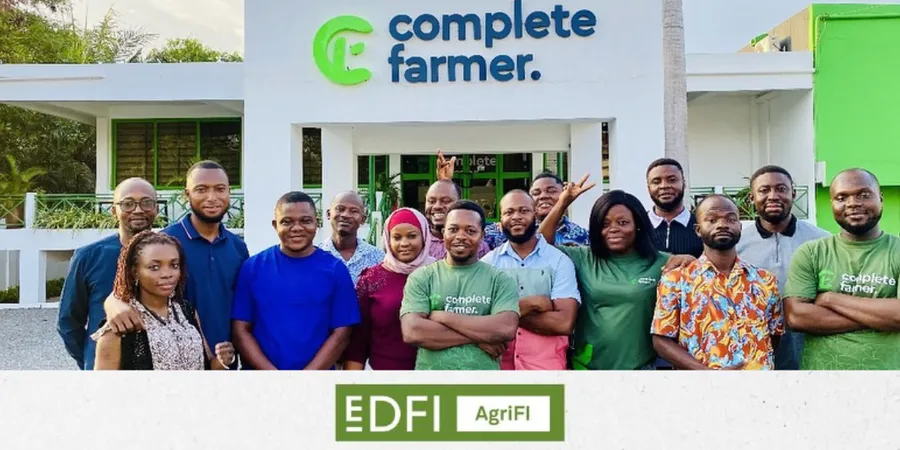
Growing Ghana: a new AgriFI–COLEAD technical assistance to support agricultural innovation
Under the AgriFI Country Window Ghana facility, COLEAD is implementing a new technical assistance initiative in support of Complete Farmer, a Ghanaian Agritech innovator. Delivered on behalf of EDFI Management Company, this support aims to strengthen and structure the company’s outgrower model to foster sustainable and inclusive growth.COLEAD’s assistance will focus on enhancing farmer support systems and training mechanisms, benefiting more than 12,500 smallholder farmers and 163 commercial farmers. This intervention builds on AgriFI’s USD 2.5 million (EUR 2.2 million) investment in Complete Farmer earlier in 2025, which provides long-term financing to scale the company’s operations.Selected in 2024 by EDFI Management Company to deliver advisory and technical assistance services under the AgriFI Facility, COLEAD will work closely with Complete Farmer to refine its outgrower model, strengthen field-level support and consolidate the foundations for economically viable and socially inclusive growth.Founded in 2017, Complete Farmer connects farmers and buyers through innovative digital solutions. This collaboration illustrates COLEAD’s approach of linking technical assistance, value chain structuring and investment facilitation to support innovative agricultural business models with lasting impact. Together, AgriFI, Complete Farmer and COLEAD aim to strengthen the foundations of Ghana’s agricultural sector.© Photo credit: Complete Farmer Ghana
 News
News
Order issued by the French Government to suspend the importation, introduction and placing on the market in France of some foodstuffs originating from outside the EU that contain residues of certain pesticides
On 7 January 2025 the French Government issued an Order suspending the import and sale of some foodstuffs that originate from outside the European Union (EU) if they contain certain pesticides that are not approved for use in the EU. The full decree in French can be seen here.This measure by the French Authorities addresses 5 pesticides and their permitted residue levels on selected foods (raw or processed). The Maximum Residue Levels (MRLs) will be set at the Limit of Quantification (LoQ) for 5 substances: carbendazim (includes the sum of carbendazim and benomyl), thiophanate-methyl, glufosinate, and mancozeb. A list of the foods affected is shown in the table below. The import and placing on the market of these foods in France will be prohibited if they contain residues of any of these 5 pesticides. This measure only applies to the French market, harmonised EU rules still apply to other EU markets.COLEAD takes note of this national measure and, in particular, finds it regrettable that, in several cases, the newly established French MRLs will not be aligned with the EU MRLs currently in force across other EU Member States (see below). Such divergence raises important considerations, both from a practical perspective and in terms of principle, notably with regard to EU MRL harmonisation and the free circulation of goods within the single market.This Order will enter into force on 8th January, and there is a grace period of one month until it is applied. This very short transition period allows little time for producers and traders to adapt to these new requirements. This measure by France should be discussed by the European Commission and other EU Member States within a 10-day timeframe. It should also be notified as a technical barrier to trade to the World Trade Organization (WTO) (at the time of writing this has not yet been done).Details on the pesticides concerned, and their current status within the EU, are as follows:Carbendazim + benomyl and thiophanate methylCarbendazim (carbendazim + benomyl) and thiophanate-methyl are no longer authorised for use in EU as no application was made by the manufacturers for their reapproval. When substances are not reapproved, MRLs are set to the LoQ, except on products for which an MRL based on uses outside the EU (an import tolerance) is considered safe in a risk assessment carried out by EFSA. Import tolerances were in place for these two substances in citrus fruits, mangoes, papayas and okra/lady's fingers.In 2024, following a review of these MRLs by EFSA that identified acute risks to consumer health, the European Commission proposed reducing these MRLs to the LOQ for some of the import tolerances: For the other existing import tolerances for other foods, EFSA concluded that there is no risk for consumers and MRLs should remain, based on the good agricultural practices (GAPs) from third countries: However, this 2024 proposal was rejected as a whole by the European Parliament because it objected to the setting of import tolerance MRLs for certain foods (see AGRINFO Platform). The Parliament noted the public health risks associated with these substances, and also argued that allowing residues on imported foods for pesticides banned in the EU puts EU farmers at a competitive disadvantage. The Parliament’s objection prevented the Commission from adopting this proposal, meaning that all the existing import tolerance MRLs continue to apply.Carbendazim in grapefruits, oranges, papayas and mangoesThiophanate-methyl in grapefruits, oranges, mandarins, papayas and mangoes.Carbendazim in lemons, limes, mandarins and okra/lady's fingersThiophanate-methyl in lemons, limes and okra/lady's fingers.In February 2025, the Commission issued a new draft proposal to lower the MRLs to the LoQ on the products where EFSA identified acute consumer health risks (carbendazim - AGRINFO Platform and thiophanate-methyl - AGRINFO Platform). Adoption was originally planned for 2025, but is currently on hold pending ongoing discussions within the Commission (see European Commission). Due to the high risk, the new MRLs would apply 3 months after publication, rather than the usual 6 months (see European Commission).Discussions on the remaining import tolerances, where EFSA (2021) did not identify risks for consumer health, are also ongoing.MancozebMancozeb belongs to the dithiocarbamates group that also includes maneb, metiram, propineb, thiram, and ziram. In most cases MRLs are set for the group as a whole. While not approved for use in the EU, several import tolerance MRLs for the dithiocarbamates remain in place.In 2024, the European Commission informed the WTO that it intends to amend the MRLs for dithiocarbamates in a wide range of products (G/SPS/N/EU/788). Details on the proposed changes and products affected are given here: AGRINFO Platform.EFSA (EFSA 2023) has reviewed the MRLs for dithiocarbamates. The analytical method used to quantify these substances is based on their conversion into carbon disulphide (CS2). CS2 can occur naturally in some plants, and EFSA used monitoring data from organic products to identify the natural CS2 content in certain plants, which is unrelated to (and should not be confused with) the use of pesticides.The Commission proposes setting the MRLs at the LoQ for products where the use of dithiocarbamates is not authorized in the EU, and if no import tolerances or Codex MRLs (CXLs) exist. For products where CXLs or import tolerances exist and are considered safe, the Commission proposes adjusting the MRLs accordingly.As limited data is currently available for certain products, further evaluations and potential adjustments are still ongoing. Adoption of this proposal was originally planned for 2025 but is on hold pending further discussions within the Commission (see European Commission).Against this background, there is a legal dispute around the European Commission´s decision not to renew the approval of mancozeb. The decision was based on a European Chemicals Agency (ECHA) opinion, and has been challenged by EU producers who argue that it is based on flawed science and procedural errors, and is reliant on an opinion that is not legally binding. This dispute is ongoing.GlufosinateGlufositate has not been approved for use in the EU since July 2018 as no application was made by the manufacturer for its reapproval. It is identified as a candidate for substitution.Import tolerance MRLs currently remain in place for a number of products. Only one of these products is included in the French Decree: the MRL on potato will be reduced to the LoQ, while the EU import tolerance MRL applicable in the rest of the EU remains at 0.3mg/kg for other foods (see EU-pesticides-database).TABLE 1: List of food-pesticide combinations subject to the prohibition (Article 1 of the French Order)
 News
News
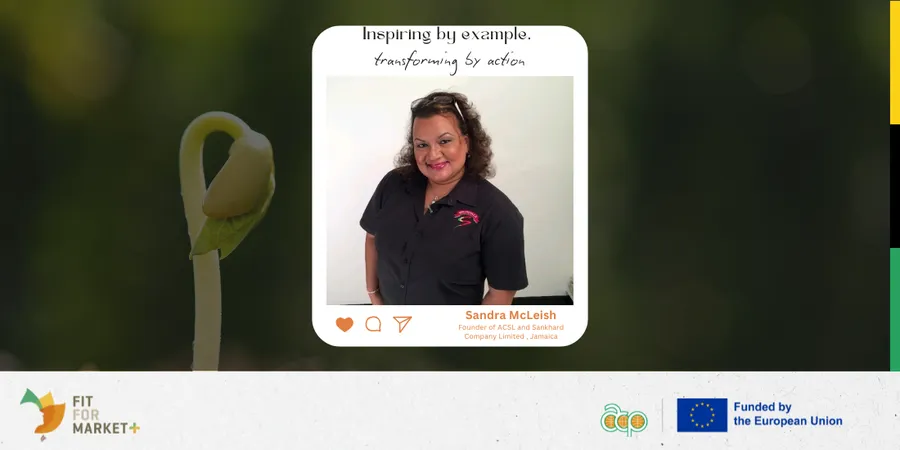
Sandra McLeish (Jamaica): champion of climate-smart agrifood transformation
Sandra McLeish is a Jamaican entrepreneur, renewable-energy advocate, and founder of Agro Cold Storage Logistics Limited (ACSL) and Sankhard Company Limited—two women-led enterprises strengthening Jamaica’s food security and climate resilience. A farmer’s daughter from rural Jamaica, Sandra grew up witnessing the vulnerabilities of small-scale farmers, from climate shocks to weak supply chains. These experiences shaped her mission to build a more resilient, inclusive agricultural ecosystem.As CEO of ACSL, Sandra leads the national rollout of solar-powered cold-chain hubs to reduce post-harvest losses, stabilize farmer incomes, and expand opportunities for rural women. The initiative includes 30 strategically located storage units, six with integrated agro-processing facilities, creating jobs and strengthening logistics across the island. Women are central to the model, comprising 80% of ACSL’s employees and vendors.Through Sankhard’s award-winning Springvale brand, launched in 2010, Sandra has championed climate-smart agro-processing, producing over 60 value-added fruit and pumpkin-based products while supporting local farmers. Her enterprises emphasize training in digital skills, renewable energy, and cooperative development.Beyond business, Sandra has over 20 years’ experience in community development, public health, and climate resilience across the Caribbean. She serves as Vice President of the Jamaica Manufacturers & Exporters Association and sits on multiple national boards, advocating for inclusive value chains and equitable climate finance. Her journey exemplifies innovation, impact, and women-centered leadership.Sandra McLeish was a panellist at the South-South Series: Empowering and Growing Women-led Business n°6, organised by UN Women and COLEAD through the FFM+ programme, and aimed at strengthening women-led businesses by fostering collaboration, knowledge-sharing, skills development, market access, and networking opportunities.If you are interested in this topic, join the Climate Resilience conversation on the Agrinnovators Forum and reach out to Sandra at www.linkedin.com/in/sandra-mcleish.This activity is supported by the Fit For Market Plus (FFM+) programme, implemented by COLEAD within the Framework of Development Cooperation between the Organisation of African, Caribbean and Pacific States (OACPS) and the European Union. This publication receives financial support from the European Union and the OACPS. The content of this publication is the sole responsibility of COLEAD and can in no way be taken to reflect the views of the European Union or the OACPS.
 News
News
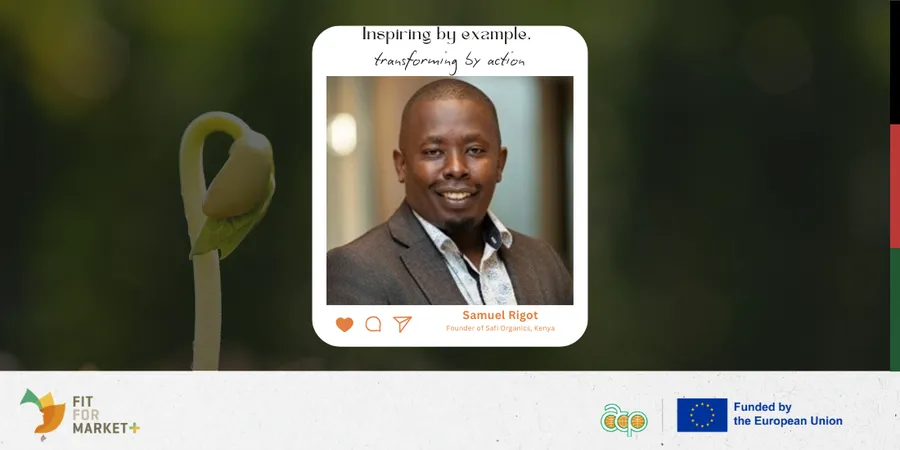
Samuel Rigu (Kenya): transforming agricultural waste into high-quality organic fertilisers
Samuel Rigu grew up in rural Kenya, where he witnessed farmers struggle with poor soils, low yields, and limited access to affordable fertilizers. Seeing his grandmother and neighbors face these challenges inspired his vision for an agricultural system that restores soil health while improving farmer livelihoods.In 2015, Samuel founded Safi Organics, a technology-driven company that converts crop waste into high-quality organic fertilizers. As CEO, he leads efforts to scale solutions that address soil degradation, an urgent challenge in Africa, where 65% of soils are degraded and crop yields have fallen sharply. Safi’s soil-specific fertilizers increase yields by about 30% and boost farmer incomes by up to 50%, with farmers reporting doubled avocado incomes and reduced coffee production costs.Samuel brings over a decade of entrepreneurial and agribusiness experience. He previously co-founded a company that sold over one million mosquito coils in Kenya, served as Country Director for Takachar, and transformed the Turning Point Trust Farm from loss to profit within six months.Looking ahead, Safi Organics aims to reach 200,000 farmers and expand village-based production across Africa, while exploring carbon credits. Samuel’s work demonstrates how innovation can turn agricultural waste into value, strengthening both livelihoods and sustainability.Samuel Rigu presented his company during Innovation Session N°24, organised by PAFO and COLEAD, supported through FFM+, which aimed to showcase the innovations and successes of African agricultural companies and small and medium-sized enterprises.Join the Circular Economy conversation on the Agrinnovators Forum.This activity is supported by the Fit For Market Plus (FFM+) programme, implemented by COLEAD within the Framework of Development Cooperation between the Organisation of African, Caribbean and Pacific States (OACPS) and the European Union. This publication receives financial support from the European Union and the OACPS. The content of this publication is the sole responsibility of COLEAD and can in no way be taken to reflect the views of the European Union or the OACPS.
 News
News
COLEAD is called to embark on a major transformation: becoming an international movement by 2030 to accelerate the transition towards sustainable, competitive and inclusive agri-food systems
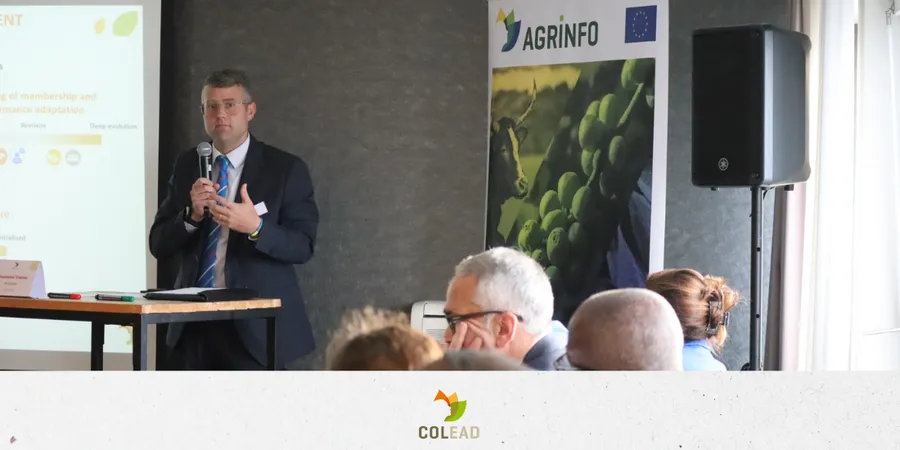
The COLEAD 2025 Consultative Committee met on 10 December. Held annually, it brings together the organisation’s Board of Directors, strategic partners and senior management team. This year’s meeting was dedicated to presenting the results of the participatory process to develop COLEAD’s 2030 Strategy, launched more than a year ago. The process has actively engaged all stakeholders across COLEAD’s field of action, including members, staff, programme partner beneficiaries, as well as technical and financial partners.The strategic recommendations presented were widely welcomed and endorsed. They stem from an analytical process conducted since September, integrating the results of a 128-question strategic survey that received a high level of participation, ten years of technical evaluations, collective consultations, and in-depth bilateral exchanges.COLEAD’s 2030 Strategy is built around five major strategic orientations: a clear economic positioning; a systemic approach to facilitate access to finance; strengthened infrastructure and resources; a role as a global connector and alliance builder; and the evolution from a centralised model towards a network of interconnected hubs and local relays, operating with greater proximity, agility and shared responsibility.The rich discussions and contributions expressed during the Committee — both insightful and inspiring — will further inform and refine the detailed version of the strategy.The 2025 Consultative Committee thus marks a new stage in COLEAD’s development, as the organisation moves towards becoming an international, multipolar and federating movement, capable of accelerating the transition towards sustainable, competitive and inclusive agri-food systems.The finalisation of the strategy and the corresponding roadmap is scheduled by the end of the first quarter of 2026. The scaling-up process will be progressive through to 2030, punctuated by key moments of consultation, collective analysis and validation.
 News
News
Strengthening science–business partnerships to transform agri-food systems – lessons from the AU–EU dialogues on research and innovation
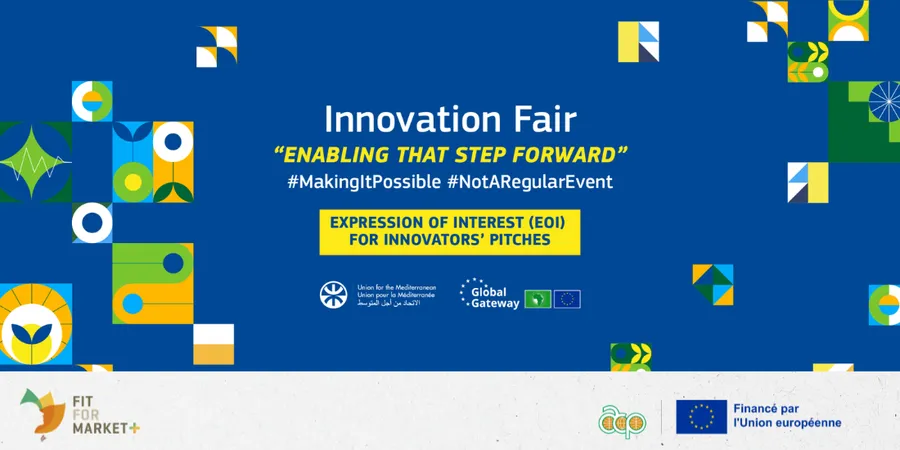
Two recent events held alongside the African Union–European Union Senior Officials Meeting within the framework of the High-Level Policy Dialogue on Science, Technology and Innovation (HLPD-STI) in Brussels highlighted a key challenge: the need to better connect research, innovation and economic actors in order to accelerate the sustainable transformation of agri-food systems.On 21 October 2025, an event dedicated to the role of AU–EU research and innovation strategies in shaping Africa’s food future brought together policymakers, researchers and private-sector representatives. Discussions underlined the importance of moving beyond knowledge production alone to foster the emergence of concrete, applicable and scalable solutions. In this context, the future AU–EU International Research Consortium (IRC) was identified as a structuring lever, provided it fully assumes an intermediary role between science, business and finance.Several avenues were highlighted to strengthen private-sector engagement: positioning research as a response to real economic challenges, making innovations more tangible through the identification of market-ready technologies, facilitating access to finance, and demonstrating measurable value for farmers and SMEs. The creation of co-design spaces bringing together researchers, cooperatives and companies—supported by open innovation tools, investor matchmaking and innovation brokerage services—emerged as a key success factor.These reflections were further reinforced during the EU–AU Innovation Fair 2025, held on 23 October in Brussels within the framework of the Global Gateway and the AU–EU Innovation Agenda 2023–2033. The event showcased the diversity of solutions already available—technologies, sustainable business models and circular approaches—and highlighted the potential of stronger linkages between research and market ecosystems to foster inclusive and resilient growth of agri-food systems in Africa and Europe.The COLEAD is fully aligned with this dynamic, contributing through its programmes and partnerships - notably through programmes such as FFM+ -to bridging research, businesses and territories, and supporting the adoption and scaling-up of sustainable innovations within agri-food systems, particularly in Africa.This activity is supported by the Fit For Market Plus (FFM+) programme, implemented by COLEAD within the Framework of Development Cooperation between the Organisation of African, Caribbean and Pacific States (OACPS) and the European Union. This publication receives financial support from the European Union and the OACPS. The content of this publication is the sole responsibility of COLEAD and can in no way be taken to reflect the views of the European Union or the OACPS.
 News
News
Climate-resilient business models: UN Women and COLEAD’s commitment alongside women entrepreneurs
The collaboration between UN Women and COLEAD aims to support women entrepreneurs and business leaders from Africa, the Caribbean and the Pacific (ACP), as well as from other regions worldwide. In this context, the South–South online series was designed and implemented through the FFM+ programme, to foster cooperation and knowledge sharing, strengthen entrepreneurial skills, improve market access and encourage networking among women leaders.The sixth session of the series, dedicated to climate-resilient business models for women entrepreneurs, took place on 26 November 2025 and was a clear success. It generated strong global interest, with 330 participants registered and accessing the full range of content and discussions.The exchanges highlighted the critical importance of climate-resilient food systems led by women entrepreneurs in Africa, the Caribbean and beyond. Extreme weather events – including hurricanes, floods, droughts and heatwaves – disproportionately affect women’s agricultural livelihoods and the value chains in which they operate. These climate shocks are compounded by persistent structural barriers, such as limited access to land, finance, technologies and market networks.The session also underlined that these challenges can be addressed through innovation, targeted support mechanisms and strengthened collective action. Panellists presented practical solutions, including climate-smart production methods (hydroponics, aquaponics and crop diversification), renewable energy-powered storage and logistics infrastructure, agro-processing hubs, and digital tools to enhance market access and operational efficiency. The importance of women-centred initiatives, cooperatives, mentorship, peer learning and tailored capacity-building programmes was also emphasised.Finally, the discussions stressed the key role of gender-responsive climate finance, strategic public–private partnerships and systemic approaches to empower women, reduce post-harvest losses, secure supply chains and build sustainable, resilient food systems.Recordings, highlights and presentations are available on the Agrinnovators platform.This activity is supported by the Fit For Market Plus (FFM+) programme, implemented by COLEAD within the Framework of Development Cooperation between the Organisation of African, Caribbean and Pacific States (OACPS) and the European Union. This publication receives financial support from the European Union and the OACPS. The content of this publication is the sole responsibility of COLEAD and can in no way be taken to reflect the views of the European Union or the OACPS.
 News
News
EU intends to strengthen Import Controls, new task force for efficient import controls
As part of its commitment to a fairer, more competitive, and attractive EU farming sector—aligned with the EU Vision for Agriculture and Food for 2025–2029—the European Commission intends to intensify official controls on food imports from non-EU countries. The focus will be on food safety, pesticide use, and animal welfare.Already, the 2026 EU audit work programme reveals that 51% of the 159 planned agri-food chain controls will target non-EU countries exporting to the EU, against 33% in 2025.In addition, following the “Implementation Dialogue on Import Controls” held on 9 December 2025, in a press release, the Commission announced a series of new measures:50% increase in audits of non-EU countries over the next two years, while maintaining current control levels within the EU.33% more audits of European Border Control Posts to ensure Member States comply with EU inspection requirements.Enhanced monitoring of non-compliant commodities and countries, with checks scaled up as needed.Support and training for Member States, including a dedicated EU program to train around 500 national authority staff on official controls.Stricter rules on imports of products containing traces of pesticides banned in the EU, in line with updated international standards.New task force for efficient import controls In early 2026, a dedicated EU Task Force will be launched to make import controls more efficient, consider the announced measures and coordinate EU-wide monitoring of specific imported products. The task force’s progress will be monitored by COLEAD, with any new requirements published on the AGRINFO platform.This activity is supported by the AGRINFO programme, implemented by COLEAD and funded by the European Union (EU). This publication receives financial support from the European Union. The content of this publication is the sole responsibility of COLEAD and can in no way be taken to reflect the views of the European Union.
 News
News
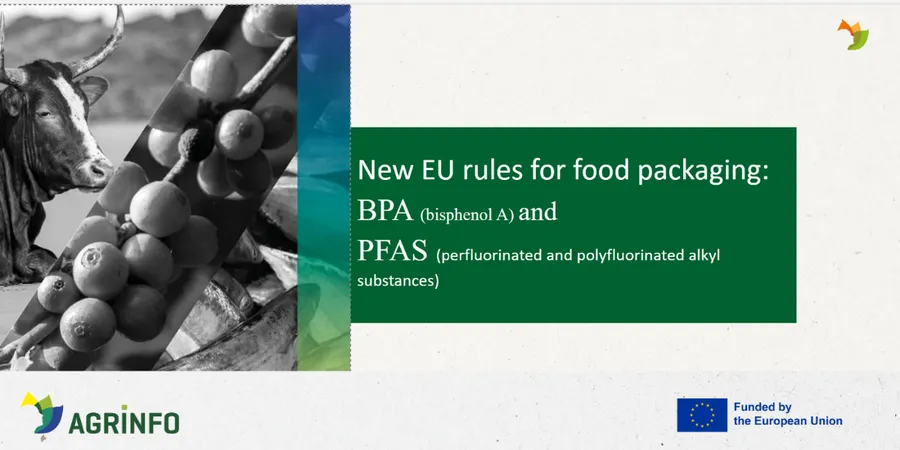
New EU rules on bisphenol A and per- and polyfluorinated alkyl substances in food packaging: AGRINFO webinars
The AGRINFO programme recently organised a series of webinars to raise awareness of changes to European Union (EU) rules on Bisphenol A (BPA), other bisphenols and bisphenol derivatives, as well as per- and polyfluorinated alkyl substances (PFAS) in food packaging. The webinars focused on the practical implications of these new rules for businesses and institutions in AGRINFO partner countries whose packaged products – when exported to the EU – need to comply with the EU legislation, including on food contact material.The EU has adopted Regulation (EU) 2024/3190, introducing stricter rules on the use of BPA and related substances in food contact materials and articles. These requirements will apply from July 2026, with a later deadline of January 2028 for packaging intended to preserve fruit, vegetables and fishery products. In parallel, the new Packaging and Packaging Waste Regulation (EU) 2025/40 sets limits on PFAS in food contact packaging, applicable from August 2026. Compliance with both regulations must be demonstrated through a written Declaration of Conformity.To explain these changes, AGRINFO held three 90-minute online sessions on 25 November, 3 December and 4 December 2025, allowing participation across different time zones. Each webinar covered the same content and included simultaneous interpretation into French, Spanish and Portuguese for selected sessions. The programme combined an introduction to AGRINFO and EU food contact material legislation with a detailed presentation by an external expert.The initiative attracted strong interest, with 927 registrations and 518 participants, representing an attendance rate of 56%. Presentation slides and video recordings are available online in multiple languages, and a consolidated FAQ document based on participants’ questions is currently being prepared and will be shared shortly.This activity is supported by the AGRINFO programme, implemented by COLEAD and funded by the European Union (EU). This publication receives financial support from the European Union. The content of this publication is the sole responsibility of COLEAD and can in no way be taken to reflect the views of the European Union.